6 Best Velvet Trims For Garment Embellishments
Elevate your designs with these 6 velvet trims. From classic ribbons to ornate galloons, discover the best textures to add luxury and depth to any garment.
Adding velvet trim to a hand-knitted garment transforms a simple stockinette sweater into a couture-level piece with professional polish. As a knitter, you know that the weight and drape of your fabric dictate the trim you choose, as the wrong pairing can cause unsightly puckering. This guide explores the best velvet options to ensure your embellishments elevate your work rather than distorting your careful gauge. Selecting the right ribbon is just as critical as choosing your yarn, so let’s look at the best options for your next project.
M&J Trimming Double Face Velvet: Best Overall
When you need a trim that looks identical from both sides, M&J Trimming is the gold standard. This is essential for projects like cardigan button bands or wrap-front shawls where the underside of the trim might occasionally flip and catch the light.
The density of this velvet is remarkable, offering a plush, consistent pile that doesn’t show the base weave. It holds its shape beautifully through the blocking process, ensuring that your finished garment doesn’t look wavy or stretched.
If you are working with a heavier wool or a worsted-weight alpaca, this trim provides enough structural integrity to act as a stabilizer. Just remember that because it is double-faced, it is slightly thicker than standard ribbons; adjust your sewing tension accordingly to prevent pulling on your stitches.
Berwick Offray Velvet Ribbon: Best for Basics
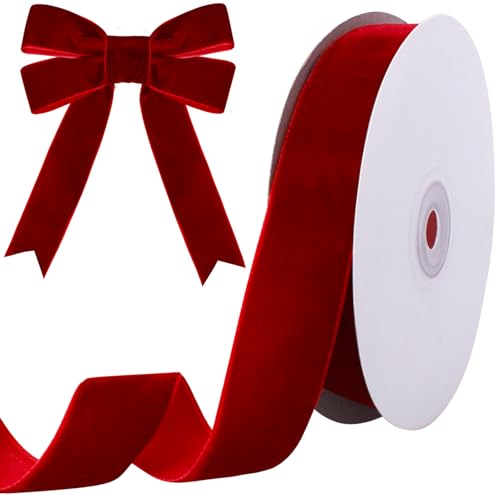

Berwick Offray is the reliable workhorse you find in most craft stores, and it is perfect for everyday knitting projects. If you are adding a subtle accent to a child’s sweater or a simple headband, this is the most accessible and cost-effective choice.
The texture is slightly thinner than luxury velvet, which makes it incredibly easy to handle for beginners. You won’t struggle with bulky seams or thick edges that can make hand-sewing onto delicate, fine-gauge knits a nightmare.
While it lacks the deep, saturated pile of higher-end options, it is remarkably colorfast. It stands up well to the occasional gentle wash, which is a major consideration if you are embellishing a garment meant for frequent wear.
Mokuba Luxury Silk Velvet: Best for Elegance
Mokuba is the brand you reach for when you are knitting with high-end fibers like cashmere, silk-blend yarns, or hand-dyed merino. The silk content gives it a luminous, natural sheen that synthetic velvets simply cannot replicate.
This trim is exceptionally soft and has a fluid drape that mimics the movement of luxury knitwear. It won’t fight against the natural elasticity of your knitting, allowing the garment to move and stretch naturally while you wear it.
Because it is made from silk, it is more delicate and requires careful handling. Avoid using heavy-duty sewing machine needles, as they can snag the silk fibers; always opt for a fine, sharp hand-sewing needle to maintain the integrity of the trim.
May Arts Vintage Velvet: Best for Texture

If your goal is to add a touch of nostalgia or a "lived-in" feel to your knitwear, May Arts is the perfect choice. This velvet has a slightly distressed, matte finish that pairs beautifully with rustic, woolen-spun yarns or textured stitch patterns like cables.
The pile is shorter and more irregular, which gives it a charming, vintage aesthetic. It doesn’t have the high-gloss shine of modern velvets, making it a sophisticated choice for heirloom-style cardigans or winter accessories.
Be aware that the edges are often softer, which gives them a lovely drape but makes them slightly more prone to fraying. Use a clear fray-check liquid sparingly on the cut ends to ensure your embellishment stays pristine over time.

Renaissance Ribbon Velvet: Best for Detail

Renaissance Ribbon specializes in intricate, narrow-width velvets that are ideal for small-scale embellishments. If you are sewing trim along a delicate neckline or adding piping to a cuff, the precision of their widths is unmatched.
The quality of the weave is tight and consistent, which prevents the trim from curling or twisting during the sewing process. This is a massive advantage when you are working on a circular project like a cowl, where any twist in the trim becomes immediately obvious.
They offer a fantastic range of muted, sophisticated colors that coordinate perfectly with modern hand-dyed color palettes. If you are a stickler for color matching your trim to your yarn, this is the brand that will satisfy your eye.
Offray Premium Velvet: Best Value Selection
Offray Premium is the go-to for large-scale projects where you need a significant amount of yardage without breaking the bank. It is widely available, easy to source, and consistent in quality across different dye lots.
While it is a synthetic blend, it is surprisingly durable and holds its color well against light exposure. This makes it a great choice for items that might be stored in a closet for long periods, such as seasonal holiday sweaters.
The trade-off is a slightly stiffer hand compared to silk or high-end rayon velvets. To mitigate this, give your trim a light steam press—using a pressing cloth—before attaching it to your knitwear to soften the fibers and relax the weave.
How to Secure Velvet Trim to Knitted Fabrics
Securing velvet to knitwear requires a delicate touch because your base fabric is inherently stretchy, while the trim is not. Always use a whip stitch or a ladder stitch, and work with a thread that matches your yarn color exactly.
Never pull your stitches tight, or you will create a "pucker" that ruins the drape of your garment. Instead, pin the velvet in place while the garment is laid flat, then use a basting stitch to hold it securely before doing your final, permanent stitching.
If you are attaching trim to a high-stress area like a button band, add a small piece of lightweight fusible interfacing to the back of the knit fabric first. This provides a stable anchor point and prevents the weight of the velvet from distorting your stitches over time.
Choosing the Right Needle for Velvet Embellishment
For hand-sewing velvet onto knits, stick to a sharps needle in a size 7 or 9. You want a needle that is sharp enough to pierce the knit fabric without snagging the yarn, but small enough to leave minimal holes in the velvet.
If you are using a sewing machine, use a specialized "stretch" needle or a ballpoint needle to prevent skipped stitches. The goal is to glide between the loops of your knitting rather than cutting through the fiber itself, which could lead to laddering or runs.
Always test your needle size on a swatch of your project yarn first. If you see the needle pulling at the yarn plies, go down one size; if it struggles to pass through the velvet, go up, but ensure it remains sharp.
Caring for Garments With Velvet Trim Accents
Garments with velvet trim are almost always hand-wash only, regardless of the yarn content. Velvet is a magnet for dust and lint, and the pile can easily be crushed if it is tossed into a machine or subjected to a spin cycle.
When washing, use a pH-neutral wool wash and soak the garment gently in cool water. Avoid wringing or twisting the piece, as this will crush the velvet pile and potentially cause the trim to detach from the tension points.
Lay the garment flat to dry on a clean towel, ensuring the velvet trim is smoothed out and not folded over itself. If the velvet looks a bit flat after drying, a quick, light steam from a distance—never touching the iron directly to the pile—will lift the fibers back to their original state.
Preventing Velvet Pilling and Surface Wear
Velvet is susceptible to friction, which can cause the pile to wear down or pill over time. To protect your embellishments, avoid wearing heavy bags with straps that rub directly against the velvet-trimmed areas of your sweater.
If you notice the velvet pile becoming matted, use a soft-bristled garment brush to gently lift the fibers. Brush in the direction of the nap, which is usually the direction that feels smooth when you run your fingers along the ribbon.
For stubborn pilling, a small, manual fabric shaver can be used with extreme caution. Keep the shaver on the lowest setting and only use it on the velvet surface if absolutely necessary, as you risk thinning the trim significantly.
Embellishing your hand-knitted creations with velvet is a sophisticated way to add texture and professional flair to your wardrobe. By selecting the right weight and fiber content for your specific project, you can ensure that your trim enhances rather than inhibits your knitwear’s natural drape. Remember to use a light hand when sewing, prioritize careful washing, and treat your velvet accents with the same respect you give your hand-dyed yarn. With these techniques, your finished garments will look as though they came straight from a high-end boutique.