7 Best Fiber Organizers For Stash Management
Organize your yarn collection efficiently. Our guide reviews the 7 best fiber organizers to keep your stash accessible, tangle-free, and perfectly stored.
Every knitter eventually reaches the point where their yarn collection outgrows a single basket or a lonely shelf. Managing a stash is about more than just aesthetics; it is about protecting your investment in high-quality wool, alpaca, and silk from environmental damage. Finding the right storage solution ensures that your next project begins with pristine, tangle-free yarn rather than a frustrating mess. These seven organizers offer practical, real-world ways to keep your fiber arts supplies secure and accessible.
IKEA SKUBB Storage Case: Best for Large Stashes
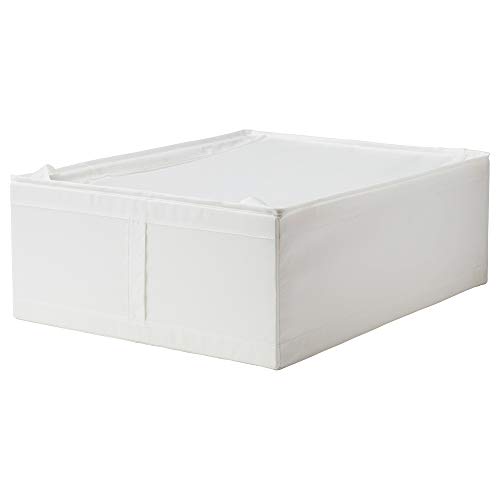

The SKUBB case is a staple in many knitting rooms because it maximizes vertical space while remaining lightweight. Its fabric construction allows for some airflow, which is generally preferable to trapping moisture in a completely airtight container.
For those with a "sweater-quantity" addiction, these cases are a godsend. They slide perfectly onto closet shelves, keeping dust and light away from your precious hand-dyed skeins.
However, keep in mind that these are soft-sided. If you overstuff them, they lose their shape, potentially crushing the loft of delicate fibers like mohair or angora. Use these for sturdy wools and cottons, keeping your more fragile, high-loft yarns in a more rigid container.
Sterilite Clear Latching Box: Best for Visibility

When you are in the middle of a complex project, the last thing you want is to hunt through opaque bins to find a matching dye lot. The clear plastic design of these latching boxes lets you survey your entire stash at a glance.
The latching mechanism is surprisingly robust, providing a decent seal against dust and common household pests. Because they are stackable, they allow you to create a modular wall of yarn that grows as your collection expands.
The primary trade-off here is the lack of breathability. If you live in a humid climate, plastic bins can trap moisture, creating a breeding ground for mildew. Always ensure your yarn is bone-dry before sealing it away, and consider tossing in a moisture-absorbing silica packet for peace of mind.
Richards Homewares Cedar Chest: Best for Moth Care

If you work with luxury fibers like cashmere or fine merino, moths are your greatest enemy. Cedar wood acts as a natural deterrent, providing a chemical-free way to keep your stash safe.
These chests are an investment, but they offer a level of protection that plastic simply cannot match. The aromatic oils in the cedar mask the scent of the wool, effectively making your stash invisible to pests.
Be aware that cedar loses its potency over time. You will need to lightly sand the interior every year or so to "refresh" the scent, ensuring the protective oils remain active. Treat this as a long-term home for your most expensive, heirloom-quality yarns.
Whitmor Hanging Sweater Shelf: Best Vertical Unit

If your floor space is limited, look to your closet’s vertical potential. A hanging sweater shelf turns dead air into an organized library of yarn.
This is an excellent way to keep your stash sorted by weight or fiber type. Because the shelves are open, you can easily grab a skein of fingering weight for a sock project without disturbing the bulky wools on the shelf below.
The downside is that open shelving leaves your yarn exposed to dust and light. If your closet is in a sunlit room, be careful; direct sunlight can fade the vibrant colors of your hand-dyed yarns over time. Consider adding a curtain or a light fabric cover to the front of the unit.
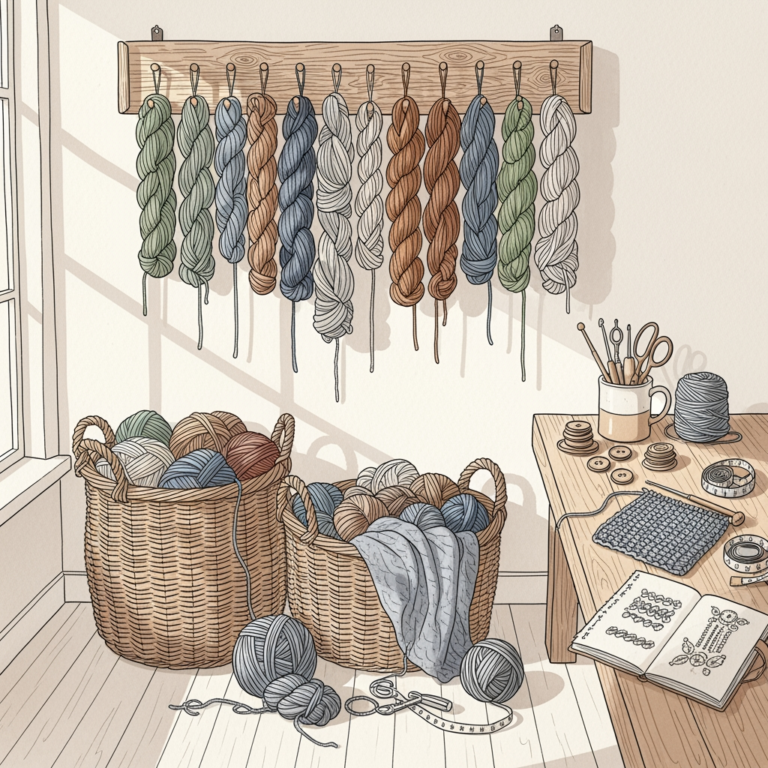
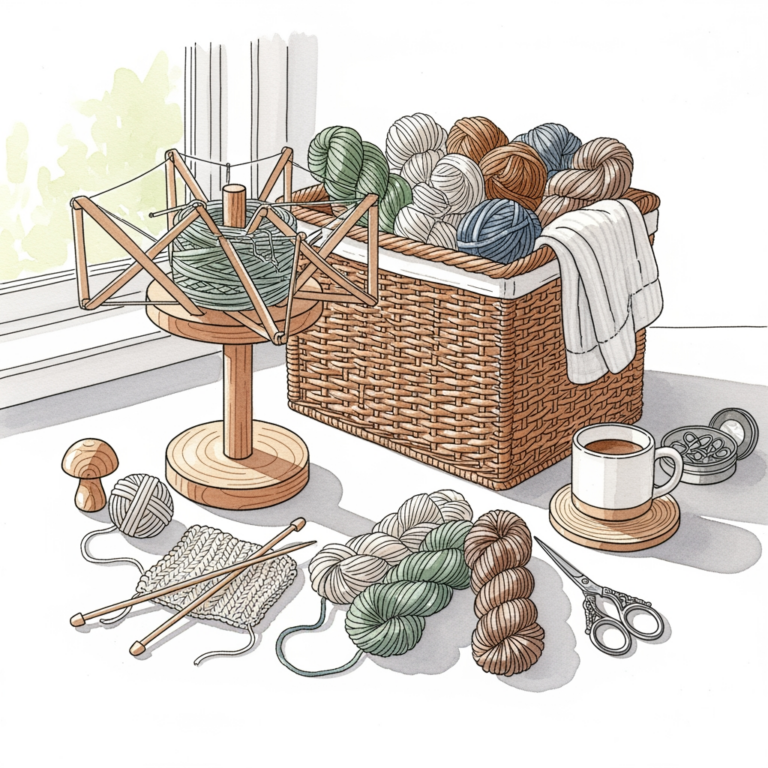
Honey-Can-Do Woven Basket: Best for Displaying Yarn

Sometimes, a stash is so beautiful it deserves to be seen. A woven basket adds texture and warmth to a room while keeping your current "work-in-progress" yarn close at hand.
These are perfect for the yarn you plan to use in the next few weeks. They allow the fiber to breathe, which is essential for natural animal fibers that need air circulation to maintain their elasticity and loft.
Avoid using these for long-term storage, however. Woven materials can be porous, making them easy entry points for moths or silverfish. Use these for short-term display, and keep your long-term storage in more secure, sealed environments.
mDesign Stackable Plastic Bin: Best for Small Bits

We all have those "orphaned" skeins, half-used balls, and mini-skeins from sock projects that clutter up the place. These small, stackable bins are the perfect size for containing the chaos of notions and scrap yarn.
Because they are small, you can label them by fiber content or project type. They fit easily onto a desk or a small bookshelf, keeping your "bits and bobs" from disappearing into the bottom of a larger bin.
The main challenge is keeping track of what is inside if you have many of them. Use a label maker or masking tape to mark the contents clearly, so you aren’t pulling down five bins just to find a specific color of waste yarn.
Sorbus Under-Bed Storage Bag: Best Hidden Storage
If you are hiding your stash from a spouse or simply running out of room, the space under your bed is prime real estate. These bags are low-profile and perfect for storing seasonal yarns.
They are ideal for tucking away bulky, heavy-weight yarns that you won’t be using during the summer months. Most feature a clear top, so you can verify what’s inside without pulling the whole bag out.
Remember that under-bed storage is often the first place to collect dust bunnies. Ensure the zipper is fully closed and the bag is made of a tight-weave fabric to prevent pests from finding a home in your winter wools.
Essential Factors for Choosing Fiber Storage Tools
When selecting storage, consider the environment of your home first. A damp basement requires different tools than a dry, climate-controlled bedroom.
Think about the accessibility you need. If you are a prolific knitter who changes projects weekly, you need a system that allows for quick retrieval.
- Breathability: Natural fibers like wool and alpaca need to breathe.
- Pest Resistance: Sealed containers are non-negotiable if you have had past issues with moths.
- Space: Vertical storage is best for small apartments; under-bed storage is best for large, seasonal stashes.
- Durability: Choose rigid containers for heavy yarns to prevent crushing.
Best Practices for Protecting Stash From Pests
Moths and carpet beetles are the silent killers of a well-curated stash. The most important rule is to never store dirty yarn.
Even if you think your yarn is clean, skin oils and food residue can attract pests. Always inspect your stash twice a year, especially when the seasons change.
- Freeze It: If you suspect a stowaway, seal the yarn in a plastic bag and place it in the freezer for 72 hours.
- Use Cedar or Lavender: Both are natural deterrents that are much safer than mothballs.
- Rotate Your Stash: Moving your yarn around prevents pests from establishing a permanent home.
How to Organize Your Yarn by Weight and Fiber Type
The most efficient way to manage a stash is to categorize by weight (WPI – Wraps Per Inch) and fiber content. This allows you to quickly see what you have available for a specific pattern.
Start by grouping all your fingering weight, then DK, then worsted, and so on. Within those groups, separate by fiber: animal (wool, alpaca, silk) versus plant (cotton, linen, bamboo).
This system helps you make better project decisions. If you have a pattern calling for a worsted wool, you can go straight to that section of your stash rather than digging through your cottons and acrylics.
Managing your yarn stash is a journey that evolves as your skills and collection grow. By choosing the right storage, you are protecting your materials and ensuring that your creative process remains joyful and organized. Take the time to audit your stash, invest in proper protection, and keep your fiber accessible for that next big project. Happy knitting, and may your needles always be the right size for your yarn.