7 Best Yarn Brushes For Carding Fibers To Try
Discover the top 7 yarn brushes for effective fiber carding. This guide explores essential tools to improve texture and prepare your wool for spinning success.
Carding is the meditative bridge between raw, unruly fleece and the smooth, consistent yarn you love to knit with. Whether you are blending luxury fibers for a custom shawl or processing local wool for a sturdy sweater, the right brush makes all the difference. Choosing the correct carder isn’t just about the brand; it’s about matching the tool’s density to the specific fiber you have on your wheel. Let’s explore the top tools that will transform your raw fiber into a spinner’s dream.
Strauch Finest Cotton Carding Brushes
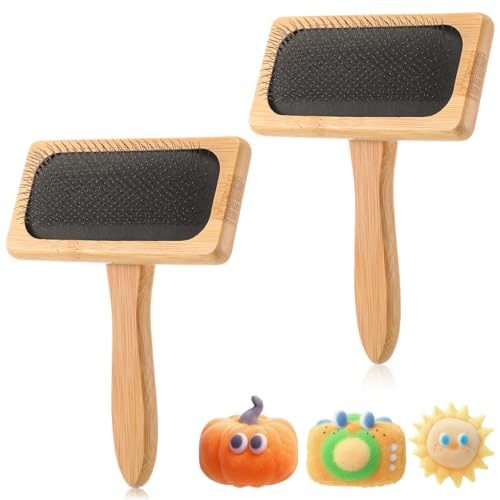

When you are working with extremely fine, short-staple fibers like cotton or delicate angora, standard wool carders will simply let the fiber slip through. Strauch brushes are engineered with a much higher density of wire teeth to grip these slippery, short fibers effectively.
The primary advantage here is the precision of the carding cloth. Because the teeth are packed so tightly, you can create a cloud-like batt without losing half your fiber to the floor or the air.
If you are a spinner who enjoys blending cotton with wool for a summer-weight garment, these are non-negotiable. They require a lighter touch than coarser wool carders, but the resulting consistency in your rolags is unmatched.
Ashford Hand Carders: The Gold Standard
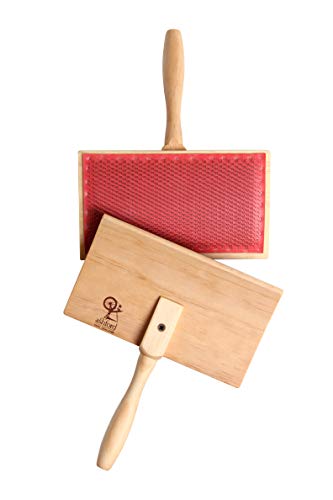
Ashford is the brand you see in almost every fiber guild, and for good reason. Their hand carders are the workhorse of the industry, offering a balance of durability and performance that suits both beginners and seasoned pros.
These carders are available in different TPI (teeth per inch) ratings, making them versatile enough for everything from medium-staple wool to coarser, long-wool breeds. The wooden paddle design is ergonomic, fitting comfortably in the hand even during long processing sessions.
The tradeoff is that they can be a bit heavy if you have wrist sensitivities. However, their longevity is legendary; many knitters are still using the same pair they bought twenty years ago.
Clemes & Clemes Curved Back Carders
The curved back design is a game-changer for anyone who finds the standard flat-paddle carding motion taxing on their wrists. By allowing the carder to rock against the fiber, you get a smoother, more fluid motion that mimics the natural pivot of your arm.
These are particularly excellent for those who process large amounts of wool in a single sitting. The curvature helps you clear the teeth more efficiently, which means less time spent picking out "neps"—those annoying little knots of fiber that can ruin an otherwise even spin.
If you struggle with repetitive strain or just want a more ergonomic experience, these are worth the investment. Just remember that the curved surface takes a little practice to master compared to the flat-back style.
Louet Fine Wool Hand Carding Brushes

Louet is known for high-quality, thoughtful engineering, and their fine wool carders are no exception. These are specifically designed for the delicate, soft wools that knitters crave for next-to-the-skin projects, like baby blankets or lace-weight scarves.
The teeth are fine and flexible, which prevents the breakage of delicate fibers. When you are working with expensive fibers like high-micron Merino, you want a tool that treats the fiber with respect, and these brushes do exactly that.
They are lighter than many of their competitors, making them a great choice for travel or for those who prefer a smaller tool. Keep in mind that they are not intended for coarse, hardy rug wools, as the fine teeth may bend under too much pressure.
Schacht Spindle Company Hand Carders

Schacht tools are synonymous with precision, and their hand carders are beautifully balanced. They feature a unique handle shape that feels secure in the hand, which is vital when you are dealing with "sticky" fibers like mohair.
The wire cloth is high-quality and retains its shape well over years of use. If you are the type of knitter who values equipment that looks as beautiful as it performs, these are a standout choice.
They are exceptionally reliable for blending colors. If you are mixing two different dyed rovings to create a heathered effect for a colorwork sweater, the Schacht carders provide the consistent tension needed to get an even, streak-free blend.
Majacraft Fine Fiber Carding Brushes

Majacraft has built a reputation for innovation, and their carding brushes reflect a deep understanding of fiber dynamics. These brushes are specifically designed to handle the "fussy" fibers that often frustrate spinners.
The density of the carding cloth is calibrated to ensure that you aren’t just pulling the fiber, but actually aligning it. This is crucial if you want to spin a worsted-style yarn that will result in a crisp, clear stitch definition in your final knitting project.
They are an investment piece, certainly, but for the knitter who spins their own yarn for intricate cable patterns, the quality of the prep is worth every penny. You will see the difference in the lack of pills in your finished garments.
Howard Brush Co. Mini Hand Carders
Sometimes, you don’t need a full-sized paddle. The Howard Mini carders are perfect for small samples, blending tiny amounts of fiber for a color swatch, or processing small batches of luxury fibers like silk or alpaca.
Their compact size makes them incredibly portable, fitting easily into a project bag. If you are attending a workshop and want to experiment with blending on the go, these are your best friend.
Don’t let the "mini" label fool you; the quality of the carding cloth is just as professional as their larger counterparts. They are ideal for the knitter who likes to "audition" color blends before committing to spinning a full sweater’s worth of wool.
Understanding TPI in Fiber Carding Tools
TPI stands for Teeth Per Inch, and it is the most critical spec to check before you buy. A lower TPI (like 45 or 54) is intended for coarse, long-staple wools, while a higher TPI (like 72 or 100+) is for fine, short-staple fibers.

If you use a high TPI brush on thick, rustic wool, the fiber will simply sit on top of the teeth, and you’ll spend your time fighting the tool rather than carding. Conversely, using a low TPI brush on fine Merino will result in "fly-away" fiber that doesn’t get properly blended.
Think of it like needle sizes: you wouldn’t use a size 8mm needle for lace-weight yarn, and you shouldn’t use coarse carders for fine fiber. Always check the manufacturer’s recommendation for the specific micron count you are processing.
How to Maintain Your Fiber Carding Brushes
Your carders are an investment, and they require a bit of TLC to stay effective. Never leave your carders face-to-face when not in use; this protects the teeth from bending and prevents them from dulling against each other.
Use a dedicated carding brush cleaner or a stiff-bristled wire brush to remove stray fibers after every session. If you leave fiber in the teeth, it will attract moisture and dust, which can eventually lead to rust or degradation of the cloth backing.
Store them in a dry, cool place away from direct sunlight. If you notice a tooth has bent, you can gently nudge it back into place with a small flat-head screwdriver, but be careful not to over-stress the wire.
Tips for Achieving Smooth Fiber Blends
The secret to a smooth blend is to work in small amounts. It is tempting to load the carders with as much fiber as possible, but this usually results in a matted, uneven mess that is difficult to spin.
Use a "flick and pull" motion rather than trying to force the carders through each other. Let the teeth do the work; if you find yourself using significant physical force, you are likely overloading the brushes or working with fibers that are too long for the tool.
If you are blending colors, pass the fiber between the carders multiple times. You’ll know you’ve reached the "sweet spot" when the colors are thoroughly integrated and the batt pulls away from the teeth in a light, airy, and uniform sheet.
Finding the right carding brushes is a deeply personal journey that evolves alongside your spinning and knitting skills. By focusing on the TPI that matches your favorite fibers, you ensure that your hand-spun yarn will be a pleasure to work with on the needles. Remember that the best tools are the ones that make the preparation process feel like a creative act rather than a chore. Happy blending, and may your batts always spin up into the yarn of your dreams.