6 Best Blocking Pins With Rust Proof Coating
Ensure your knit projects stay pristine with these 6 rust-proof blocking pins. Discover durable, snag-free options designed to keep your fiber crafts perfect.
Achieving a professional finish on your hand-knits depends entirely on the quality of your blocking tools. Using inferior pins can lead to disastrous rust stains on delicate fibers like alpaca or silk. These six options represent the gold standard for durability and long-term fabric care. Investing in the right hardware now prevents heartbreak when your finished masterpiece hits the drying board.
Knitter’s Pride T-Pins: Best Rust-Proof Standard


These pins are the workhorses of the knitting world, designed specifically to withstand the damp conditions of a wet-blocked project. Their nickel-plated finish provides a smooth surface that glides through even the most stubborn wool fibers without snagging.
Because they feature a standard T-head, they are incredibly easy to manipulate with your fingers. This is a massive advantage when you are pinning out a large, heavy sweater that requires significant tension to open up the stitch pattern.
The bottom line is simple: if you want a reliable, no-nonsense tool that won’t let you down during a long drying cycle, this is your go-to. They strike the perfect balance between affordability and high-performance rust resistance.
Clover Blocking T-Pins: The Professional Choice

Clover has built a reputation for precision, and their T-pins are no exception. These pins are remarkably consistent in thickness and sharpness, which is vital when you are working with high-end, delicate yarns.
When you are blocking a complex lace shawl, you need a pin that won’t distort the individual stitches as it pierces the fabric. The Clover pins offer a refined point that slides between the plies of your yarn rather than tearing through them.

These are slightly more expensive than generic options, but the investment pays off in the longevity of the plating. You won’t find yourself replacing these every year due to flaking or oxidation.
Susan Bates T-Pins: Reliable Stainless Steel

Stainless steel is the ultimate material for blocking because it is inherently resistant to corrosion, rather than relying solely on a surface coating. Susan Bates provides a robust, no-frills option that is incredibly dependable for everyday blocking.
These pins are slightly thicker than some specialty lace pins, making them excellent for pinning down heavier items like wool blankets or cabled cardigans. They hold firm under the weight of wet, bulky-weight yarn without bending or losing their shape.
If you are a knitter who works primarily with sturdy, rustic wools, these are an excellent addition to your kit. They are durable, easy to find, and perform exactly as promised.
Cocoknits Stainless Steel Pins: Best for Precision
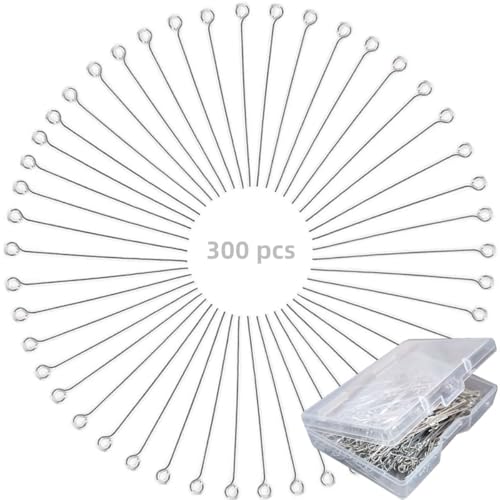
Cocoknits has reimagined the humble blocking pin by focusing on the specific needs of modern makers. These pins are made of high-quality stainless steel, ensuring they remain rust-free even when left in a damp project for several days.
What sets these apart is the refined, sharp tip that is specifically engineered for fine-gauge knitting. If you are blocking fingering-weight socks or intricate colorwork, you need a pin that won’t leave large, visible holes in the fabric.
They are a bit of an investment, but they are designed to last a lifetime. For the knitter who treats blocking as an essential part of the design process, these are the gold standard.
Boye Blocking T-Pins: The Budget-Friendly Pick
Boye T-pins are a staple in craft stores for a reason—they are accessible and get the job done without any unnecessary fuss. They provide a solid, reliable hold for standard blocking needs.
While they may not have the same level of finishing as premium brands, they are perfectly adequate for most acrylic and wool blends. If you are just starting your knitting journey and need a bulk pack to get through your first few sweaters, these are a fantastic choice.
Just be sure to dry them thoroughly after use. While the coating is protective, proper storage is the best way to ensure they remain rust-free for years to come.
Beadsmith Stainless T-Pins: Best for Fine Lace

Originally designed for jewelry making, Beadsmith pins have become a secret weapon for lace knitters. Because they are designed for delicate wire work, they are exceptionally thin and sharp.
This makes them ideal for pinning out tiny picot edges or intricate lace points where a standard T-pin would look clunky. They allow you to manipulate the fabric with incredible accuracy, ensuring your lace opens up perfectly.
The stainless steel construction means you never have to worry about rust ruining a white or light-colored mohair project. These are a specialized tool, but for the lace enthusiast, they are absolutely indispensable.
Why Rust-Proof Coating Is Vital for Blocking
Blocking involves introducing moisture to your finished project, which is the primary catalyst for rust. Even a tiny amount of oxidation on a pin can transfer to your yarn, creating permanent, unsightly brown spots.
- Fiber sensitivity: Protein fibers like wool and silk are particularly prone to absorbing metallic stains.
- Time-intensive drying: Some projects, like dense sweaters, can take days to dry, increasing the risk of exposure.
- Long-term value: High-quality coatings protect your investment in expensive, hand-dyed yarns.
Don’t gamble with your hard work. Always prioritize pins specifically labeled as rust-proof or made from high-grade stainless steel.
How to Choose the Right Pin Size for Your Fiber
The size of your pin should be proportional to the weight of your yarn and the tightness of your gauge. Using a pin that is too thick for delicate lace will cause the stitches to stretch and distort, while a pin that is too thin won’t hold the weight of heavy wool.
- Lace weight: Use thin, stainless steel pins to avoid piercing the yarn.
- Fingering to DK: Standard-gauge T-pins are perfect for most garments.
- Worsted to Bulky: Opt for thicker, sturdier pins to handle the extra tension of heavy, wet fabric.
Always test a pin on a swatch first if you are unsure. If the pin leaves a visible hole that doesn’t close up when you nudge the yarn, it is too large for your project.
T-Pins vs. Blocking Combs: Which Should You Use?
T-pins offer maximum versatility, allowing you to pin individual points or curves with precision. They are the best choice for complex shapes, such as shawls with many points or garments with specific shaping.
Blocking combs, on the other hand, are designed for speed and straight edges. They are excellent for long, straight seams or large blankets where you want to keep the tension even across a wide area.
Most experienced knitters keep both in their toolkit. Use combs for the bulk of your straight edges and T-pins to refine the details and curves.
Essential Tips for Safe and Effective Blocking
Always ensure your blocking surface is clean and dry before you begin. If you are using a foam blocking mat, make sure it is free of dust or debris that could transfer to your yarn.
- Avoid over-stretching: Only block to the dimensions specified in your pattern.
- Check for color bleed: If you are using hand-dyed yarn, test for colorfastness before soaking the entire piece.
- Store properly: Always wipe your pins dry before putting them back into their container.
Remember that blocking is not just about stretching; it is about evening out your stitches and giving your project a professional, finished look. Take your time, be patient with your tension, and enjoy the transformation of your fabric.
Selecting the right blocking pins is one of the most practical upgrades you can make to your knitting practice. By choosing rust-proof options, you protect your time, your yarn, and your finished projects from accidental damage. With the right tools in your kit, you can approach every blocking session with total confidence. May your stitches always be even and your blocking results perfectly professional.