7 Best Velvet Yarns For Soft Blankets To Cozy Up With
Discover the 7 best velvet yarns for plush, cozy blankets. Learn about texture, durability, and weight to help you choose the perfect material for your project.
There is nothing quite like the tactile satisfaction of wrapping yourself in a hand-knitted velvet blanket after a long day. While these chenille-style yarns offer unparalleled softness, they can be notoriously tricky to work with if you don’t know their quirks. Choosing the right velvet yarn is the difference between a project that flows off your needles and one that ends up in a tangled, frustrating mess. Here are the seven best velvet yarns to ensure your next cozy project is a complete success.
Bernat Velvet: The Gold Standard for Softness


Bernat Velvet is widely considered the industry benchmark for a reason, offering a consistent, high-sheen finish that feels like liquid silk. It possesses a medium weight that strikes a balance between portability and warmth, making it ideal for those who want a blanket with some drape rather than a heavy, stiff fabric.
The primary advantage here is the sheer availability and color range, which allows for endless creative combinations. Because it is a standard worsted-to-bulky transition weight, it is forgiving for those transitioning from traditional wool blends to synthetics.
However, be warned: this yarn is slippery. If you are using metal needles, you might find your stitches sliding off faster than you can secure them. I always recommend bamboo or wooden needles for Bernat Velvet to provide that extra bit of "grab" needed to keep your tension consistent.
Lion Brand Vel-Luxe: The Premium Choice

If you want a velvet yarn that feels slightly more sophisticated and less "craft-store synthetic," Vel-Luxe is your best bet. It has a tighter twist than many of its competitors, which significantly reduces the amount of shedding you experience while working.
Many knitters struggle with the "worming" effect, where the inner core of the yarn slips out from under the plush fibers. Vel-Luxe holds its structure remarkably well, making it a stellar choice for beginners who tend to handle their yarn a bit more roughly.
The trade-off is that it feels slightly less "fluffy" than the ultra-plush alternatives on this list. If your goal is a blanket that feels like a cloud, this might feel a bit too polished, but it will certainly last longer through repeated washings.
Premier Yarns Sweet Snuggle: Bulky Comfort

When you need a blanket finished in a weekend, Premier Yarns Sweet Snuggle is the heavy hitter you reach for. This is a super-bulky weight yarn that works up incredibly fast on large needles, turning a daunting project into a quick, rewarding win.
Because it is so thick, you don’t have to worry about complex stitch patterns. A simple garter stitch or a basic stockinette will look stunning because the yarn itself provides all the texture and visual interest you need.
Keep in mind that with super-bulky yarns, your hands can tire quickly due to the size of the needles required. I suggest taking frequent breaks and using ergonomic needles to prevent strain during long knitting sessions.
Hobbii Honey Bunny: Best for Amigurumi

While this list focuses on blankets, Honey Bunny is a standout because of its incredible durability and matte finish. It is slightly thinner than the super-bulky options, which makes it perfect for blankets that need to be lightweight yet warm.
The fiber density is excellent, meaning you won’t see "gaps" in your fabric even if your tension varies slightly. It is essentially the gold standard for those who want a velvet blanket that won’t lose its shape or pill after a few months of use.
If you are planning to add decorative elements or borders to your blanket, this yarn holds its own against wear and tear. It is a workhorse yarn that balances aesthetic beauty with structural integrity.
Chenille Home Slim: The Versatile Option
Chenille Home Slim is the "Goldilocks" of the velvet world, sitting right in the middle of the weight spectrum. It is not so thin that it takes forever to knit, but not so thick that it feels bulky or unmanageable.
This yarn is particularly forgiving for those who are still mastering their tension. Because it has a slightly fuzzy texture, it hides minor inconsistencies in your knitting, making your finished blanket look more professional than it might otherwise.
The main consideration here is the yardage per skein. Because it is a bit thinner, you will need more balls than you would for a super-bulky yarn. Always buy an extra skein to ensure you don’t run out mid-row, as dye lots can vary significantly.
Himalaya Dolphin Baby: Ultimate Plush Feel

Himalaya Dolphin Baby is legendary in the fiber arts community for its ultra-soft, almost addictive texture. It is arguably the softest yarn on this list, making it a favorite for baby blankets and heirloom-quality gifts.
The plushness is truly unmatched, but it comes with a learning curve. This yarn has a tendency to shed slightly at the cut ends, so be prepared to manage a few loose fibers while you are casting on and binding off.
The result, however, is a blanket that feels like a high-end luxury throw. If you prioritize the tactile experience above all else, this is the yarn that will make you never want to leave your sofa.
Katia Velvet Fine: Best for Intricate Work

If you are a knitter who loves cables or textures, Katia Velvet Fine is the only velvet yarn I would recommend for the job. Its finer gauge allows the stitch definition to actually show through, whereas bulkier velvets tend to swallow up any pattern work.
Working with this yarn feels more like working with a traditional yarn, which can be a relief if you are tired of the "rope-like" feel of super-bulky chenilles. It offers a beautiful drape that makes for a sophisticated, adult-sized throw.
The downside is that it requires patience and a steady hand. Because it is thinner, it is less forgiving of dropped stitches, so keep a crochet hook handy for quick repairs if you make a mistake.
Tips for Working With Slippery Velvet Yarns
Velvet yarns are notorious for "slipping" off the needle, which can lead to dropped stitches and immense frustration. My top tip is to use wooden or bamboo needles to provide friction. If you must use metal, consider using a needle with a slightly blunter tip to prevent the yarn from splitting.
Another common issue is the "core" of the yarn showing through. If you notice this, you are likely knitting too tightly. Try going up one or two needle sizes to allow the fibers to fluff up and cover the core properly.
Finally, always use a locking stitch marker to keep track of your stitch count. Velvet yarn is notoriously difficult to "read" after the fact, so if you lose a stitch, it can be nearly impossible to find without unraveling your work.
How to Properly Care for Your Velvet Blankets
Velvet blankets are synthetic, usually polyester, which makes them durable but sensitive to heat. Always wash your blanket on a gentle cycle with cold water to prevent the plush fibers from matting or melting.
Never, under any circumstances, use a high-heat dryer. The friction and heat can cause the yarn to lose its sheen and become permanently frizzy. Instead, lay your blanket flat on a towel to air dry, turning it occasionally to ensure even evaporation.
If you find the blanket looks a bit "tired" after a year of use, a quick, gentle shake or a light brush with a soft-bristled garment brush can help fluff the fibers back up. Treat these blankets with care, and they will remain a staple in your home for years.
Choosing the Right Hook Size for Velvet Yarns
Choosing the right needle or hook size for velvet yarn is more about the "fabric feel" than the gauge on the label. If you want a dense, warm blanket, stick to the recommended size or go down by 0.5mm.
If you prefer a blanket with a beautiful, fluid drape, do not be afraid to go up in size. A larger needle will create a looser, more supple fabric that feels less like a heavy mat and more like a cozy, breathable throw.
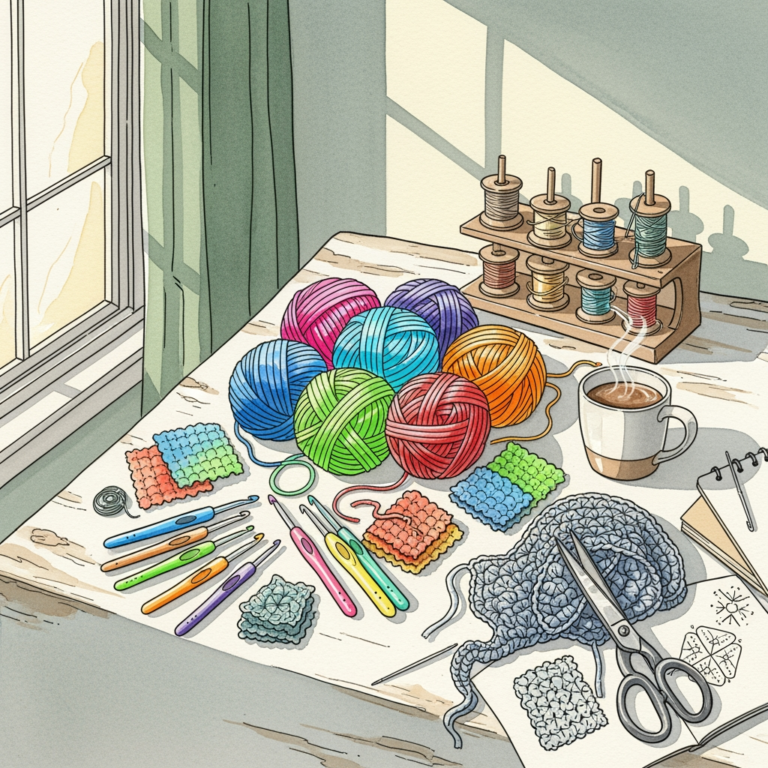
Always knit a small swatch—at least 4×4 inches—before starting your project. Velvet yarn behaves differently under tension than wool or acrylic, and seeing how the fabric drapes in your hands is the only way to know if you’ve chosen the right size for your specific project.
Working with velvet yarn is a unique experience that rewards patience with the softest, most comforting blankets you will ever own. By choosing the right weight for your project and pairing it with the correct tools, you can avoid the common pitfalls that frustrate many makers. Remember that your tension and needle choice are your best friends when navigating these slippery, plush fibers. Grab your favorite color, settle into your most comfortable chair, and enjoy the process of creating something truly cozy.