7 Best Wool Yarns For Entrelac Blankets To Try
Choosing the right wool for entrelac blankets is vital. We review 7 top yarns that offer the perfect stitch definition and durability for your next project.
Entrelac knitting creates a stunning, woven-look fabric that relies heavily on the structural integrity of your yarn. Because this technique involves picking up stitches along the edges of previously worked blocks, your choice of fiber directly impacts how well the finished blanket holds its shape. Selecting the right wool is the difference between a crisp, geometric heirloom and a sagging, amorphous mess. These seven selections represent the gold standard for balancing elasticity, stitch definition, and visual impact.
Cascade 220: The Best Workhorse Wool for Entrelac
Cascade 220 is the backbone of many knitter’s stashes for good reason. It is a classic worsted-weight Peruvian highland wool that offers a perfect balance of twist and loft, making it incredibly forgiving for the frequent picking up of stitches required in entrelac.
When you are working through hundreds of small squares, you need a yarn that won’t fray or split under the friction of your needle. The high-twist construction of 220 ensures that your "picked up" edges remain clean and consistent.
It is a non-superwash wool, which means it has a natural "grab" that helps the knitted squares lock together securely. If you are a beginner tackling your first entrelac blanket, this is your safest starting point.
Malabrigo Rios: Stunning Color for Entrelac Blocks
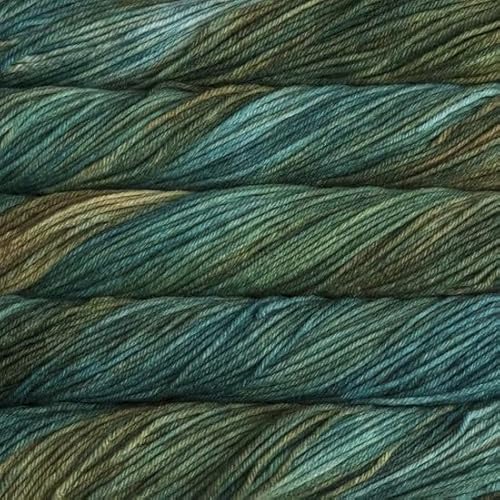

Malabrigo Rios is a superwash merino that transforms a simple entrelac grid into a vibrant work of art. The kettle-dyed, semi-solid colors provide a depth and movement that highlight the directional changes inherent in entrelac blocks.
Because this is a plied, superwash yarn, it has a beautiful drape that feels luxurious against the skin. However, be aware that the superwash process makes the fiber slightly slicker and more prone to stretching than a traditional wool.
If you choose Rios, ensure your gauge is firm to prevent the blocks from growing too large after blocking. It is the perfect choice for an heirloom throw where the visual impact of the colorway is just as important as the technique itself.
Brooklyn Tweed Shelter: Texture for Entrelac Depth
Brooklyn Tweed Shelter is a woolen-spun yarn that provides unparalleled character to geometric patterns. Unlike worsted-spun yarns that are smooth and sleek, Shelter has a rustic, airy quality that makes entrelac blocks look like they were woven from fine tweed.
The trade-off for this beautiful texture is that the yarn is somewhat fragile. You must handle it with care while picking up stitches, as the fibers are not as tightly locked as a high-twist yarn.
However, the "bloom" that occurs after washing is magical. It fills in the small gaps between your entrelac squares, creating a cohesive, felted-like appearance that masks any minor imperfections in your tension.
Quince & Co. Lark: Crisp Stitch Definition Options
Quince & Co. Lark is a masterclass in stitch definition. It is a 100% American wool that is spun with a very consistent, rounded ply, making it ideal for highlighting the structural "V" shapes of your entrelac grid.
If you want your blanket to look like a precise, architectural puzzle, Lark is the best tool for the job. It behaves predictably, meaning your gauge will likely remain consistent from the first block to the last.
Because it is a bit firmer than merino, it holds its shape exceptionally well over the large surface area of a blanket. This is the yarn to choose if you want your geometric lines to look sharp and intentional.
Berroco Ultra Wool: Durable and Machine Washable
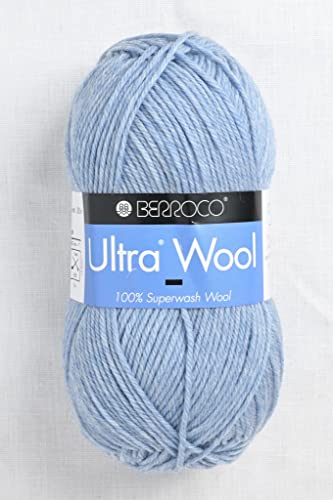
Berroco Ultra Wool is the practical choice for a blanket that sees heavy daily use. It is a 100% superwash wool that is specifically engineered to withstand the rigors of the washing machine without losing its shape or pilling excessively.

Entrelac blankets involve a significant time investment, and the idea of hand-washing a large throw can be daunting. Ultra Wool removes that barrier, allowing you to enjoy your work without the constant fear of accidental felting.
While it lacks the "soul" or rustic character of a woolen-spun yarn, it makes up for it in sheer reliability. It is a consistent, smooth-knitting yarn that keeps the pace of your work fast and stress-free.
Patons Classic Wool: Budget-Friendly Entrelac Base
Patons Classic Wool is a staple for those who want to practice complex techniques without breaking the bank. It is an affordable, hardy wool that handles the constant manipulation of entrelac stitches quite well.
Many knitters overlook this yarn, but its durability is a major asset for large-scale projects. It has a slightly "toothy" feel that keeps your needles from sliding around too much, which is helpful when you have many live stitches held on a long circular needle.

While it may feel a bit stiff while working, it softens considerably after a good soak and block. It is an excellent choice for a first "learning" blanket where you might want to experiment with block sizes or color transitions.
Rowan Felted Tweed: The Ideal Weight for Blankets
Rowan Felted Tweed is a unique blend of wool, alpaca, and viscose that creates a lightweight, warm fabric. Despite its name, it isn’t pre-felted, but it does have a lovely, soft fuzz that helps blend the seams between entrelac squares perfectly.
The weight of this yarn is slightly lighter than a standard worsted, which prevents the blanket from becoming overly heavy or cumbersome. This is a critical factor when you are working on a project that requires turning the work constantly.
It is a sophisticated yarn that adds a professional finish to any project. The muted color palette works beautifully with the complex geometry of entrelac, allowing the structure of the pattern to take center stage.
Why Wool is Superior for Structured Entrelac Work
Wool is uniquely suited for entrelac because of its natural elasticity and memory. When you pick up stitches along an edge, you are creating a seam that needs to support the weight of the next block.
- Elasticity: Wool stretches and recovers, ensuring the blanket doesn’t end up distorted.
- Friction: The scales on wool fibers help the squares "grip" each other, creating a stronger fabric.
- Blocking: Wool responds beautifully to steam or water, allowing you to square off your blocks for a perfect finish.
Avoid cotton or plant-based fibers for large entrelac blankets. They lack the memory required to keep the structure from sagging under its own weight over time.
Matching Yarn Weights to Your Entrelac Gauge Needs
Your gauge in entrelac is often different from your gauge in standard stockinette. Because you are constantly turning and working short rows, your tension can change as you get into the rhythm of the blocks.
- Worsted weight: Best for blankets that need to be warm and substantial.
- DK weight: Ideal for a lighter, more delicate drape.
- The "Gap" Test: If you see large holes where you pick up stitches, your yarn is too thin for your needles.
Always swatch at least two full blocks before committing to a yarn. If the fabric feels too loose, drop your needle size; entrelac fabric should be dense to maintain its geometric integrity.
Tips for Managing Color Changes in Entrelac Projects
Managing color changes in entrelac is often the most intimidating part of the process. The secret is to treat your yarn ends as part of the structure rather than a nuisance.
Weave in your ends as you go, or use the "Russian Join" technique to incorporate new colors without creating bulky knots. If you are changing colors every block, consider using a yarn with a long, slow color transition to do the work for you.
If you are using solid colors, keep a color map of your blanket to ensure a balanced distribution. Remember that the "vertical" lines of the entrelac will naturally draw the eye, so use your color placement to emphasize that movement.
Entrelac is a rewarding technique that turns a simple ball of wool into a complex, woven tapestry. By choosing a yarn with the right structural properties, you ensure your blanket will be as durable as it is beautiful. Don’t be afraid to swatch, experiment with different wool textures, and embrace the rhythm of the blocks. With the right fiber in your hands, your next entrelac project will be an heirloom you’ll cherish for years.