7 Best Anti-Fatigue Mats For Long Crafting Sessions
Stay comfortable during long projects with our top 7 anti-fatigue mats. Discover the best ergonomic picks to reduce strain and boost your crafting endurance.
If you’ve ever found yourself three hours deep into a complex lace chart only to realize your lower back is screaming, you aren’t alone. We focus so much on the ergonomics of our needles and the tension of our yarn that we often ignore the floor beneath our feet. A high-quality anti-fatigue mat can be the difference between a productive weekend of knitting and a week of physical recovery. Here are the best options to keep your body as comfortable as your favorite wool.
GelPro Elite: Best Overall for Long Knitting Hours
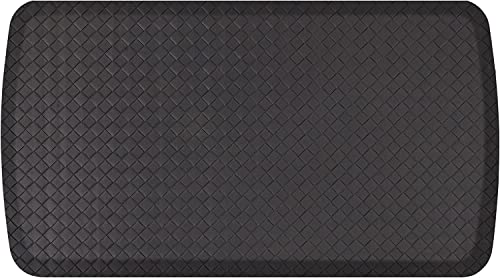

When you’re working on a massive project like a king-sized cabled blanket, you’re going to be standing or shifting your weight for long stretches. The GelPro Elite is a standout because it utilizes a dual-core system that combines gel and energy-return foam.
This combination is vital for knitters because it doesn’t just cushion your feet; it actively supports your posture. By reducing the pressure on your heels and lower back, you can maintain your rhythm through complicated cable crosses without needing a "rest" break every twenty minutes.
The trade-off here is the weight and the price point. It’s a substantial, heavy mat that isn’t meant to be moved around your craft room constantly, but for a dedicated knitting nook, it is the gold standard for long-term comfort.
Sky Solutions Anti-Fatigue Mat: Best for Comfort
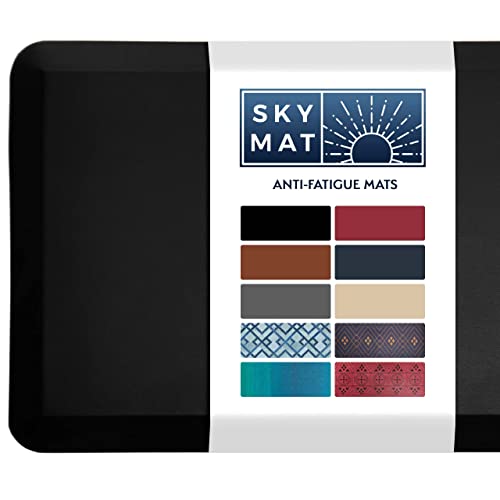
The Sky Solutions mat is famous for its "cloud-like" feel, which is perfect if you tend to knit while standing at a standing desk or a high-top cutting table. It features a proprietary foam core that is thick and incredibly forgiving underfoot.
If you are a knitter who experiences foot fatigue after just an hour of standing, this mat will feel like a revelation. The extra thickness helps distribute your weight evenly, which prevents the "locking" of your knees that often happens during long sessions of stranded colorwork.
Keep in mind that because it is so soft, it may feel a bit unstable if you are wearing thick-soled shoes. For the best experience, I recommend using this mat in socks or slippers to fully appreciate the cushioning without losing your balance.
NewLife by GelPro: Best Eco-Friendly Floor Mat

Sustainability is a huge conversation in the fiber arts community, and it’s only natural that we look for the same values in our studio equipment. The NewLife mat is constructed from bio-foam, making it a more conscious choice than standard synthetic mats.
Beyond its eco-friendly credentials, this mat is surprisingly durable and resistant to the occasional spilled tea or dropped needle. Its surface is easy to wipe down, which is a major plus if you work with loose, shedding fibers like mohair or alpaca that tend to cling to everything.
The texture is slightly firmer than the Sky Solutions model, providing a stable base that feels secure. It’s a fantastic middle-ground choice for the knitter who wants a balance between earth-friendly materials and professional-grade support.
Royal Anti-Fatigue Mat: Best Value for Crafters

Not every knitter wants to invest a small fortune in floor gear, especially when that money could be spent on luxury hand-dyed yarns. The Royal mat offers a reliable, no-frills experience that gets the job done without breaking the bank.
It provides enough cushioning to significantly reduce leg strain during blocking or steaming sessions, which are often the most physically taxing parts of a project. It’s thin enough to slide under a desk when not in use, yet dense enough to prevent the "bottoming out" feeling of cheaper foam mats.
While it lacks the sophisticated multi-layer technology of the high-end brands, it is perfectly adequate for the hobbyist. If you only stand while knitting occasionally, this is the most practical entry point into ergonomic floor support.
ComfiLife Anti-Fatigue Mat: Best Ergonomic Choice
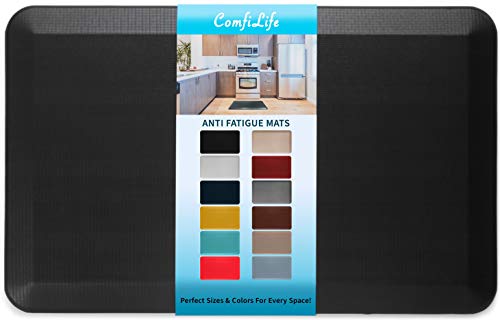
The ComfiLife mat is designed with a beveled edge that is particularly helpful in a busy craft room. If your space is tight, the sloped edges prevent the tripping hazards that often occur when you’re moving between your yarn stash and your knitting chair.
The ergonomic design promotes better blood circulation, which is essential if you have a tendency to stand in one spot while focusing on intricate stitch counts. By encouraging micro-movements, it keeps your muscles engaged rather than static and stiff.
It’s a very balanced mat that works well for both standing desks and kitchen islands. It isn’t the thickest on this list, but it provides the most "functional" support for someone who is constantly moving around their workspace.
Kangaroo Original Mat: Best Variety of Sizes

Every craft space is unique, and sometimes a standard rectangular mat just doesn’t fit the layout of your studio. The Kangaroo Original comes in a vast array of sizes and colors, allowing you to customize your floor space to match your specific setup.
Having a mat that covers the entire area where you stand means you aren’t constantly stepping off the edge onto the hard floor. This consistency is key for preventing the sudden shock to your joints that happens when you pivot to grab a different needle size or a new skein of yarn.
The material is also water-resistant, which is a massive bonus for those who do a lot of wet blocking. If you’re laying out damp sweaters to dry, having a mat that can handle a bit of moisture without degrading is a lifesaver.
Imprint CumulusPRO: Best Professional Grade Mat
The Imprint CumulusPRO is the heavy hitter of the bunch, often found in professional kitchens and high-traffic workspaces. It is designed for extreme durability and long-term use, making it an excellent choice for a dedicated, full-time knitting studio.
The proprietary foam is engineered to never lose its bounce, meaning it will feel just as supportive five years from now as it does today. For a knitter who is constantly on their feet, this is an investment in your long-term physical health.
While it is the most expensive and utilitarian-looking option, its performance is unmatched. If you treat your knitting like a professional practice, this mat is the piece of equipment that will keep you working comfortably for years to come.
Why Crafters Need Anti-Fatigue Mats for Knitting
Knitting is often perceived as a sedentary hobby, but the reality is that it requires long periods of static posture. Whether you are leaning over a pattern or standing at a table to measure gauge, your body is under constant, subtle tension.
- Joint Alignment: Mats help keep your ankles and knees in a neutral position, preventing the strain that travels up to your lower back.
- Circulation: The slight give in the foam encourages micro-movements, which keeps blood flowing to your legs.
- Endurance: By reducing the physical toll on your body, you can focus your mental energy entirely on your project, leading to fewer dropped stitches and mistakes.
Many knitters assume that lower back pain is just a side effect of the craft. In reality, it is usually a result of poor ergonomics. Investing in your floor space is just as important as choosing the right needle material for your specific tension.
Key Features to Consider When Buying Floor Mats
When shopping for your mat, don’t just look at the price tag; look at the construction and the specific needs of your workspace. A mat that works for a kitchen may not be the right choice for a carpeted craft room.
- Thickness: Aim for at least 3/4 inch if you plan on standing for more than an hour at a time.
- Edge Beveling: Always look for sloped edges to prevent tripping, especially if you have yarn tails or project bags on the floor.
- Surface Texture: A non-slip surface is non-negotiable, especially if you are wearing socks or slippers while you knit.
- Cleaning Needs: If you work with natural fibers that shed, look for a mat with a smooth surface that can be vacuumed or wiped down easily.
Remember that the "perfect" mat depends on your flooring. If you are on hard concrete or hardwood, you need more density to prevent fatigue. If you are already on a carpeted floor, you might prefer a thinner, firmer mat to maintain stability.
How to Maintain Your Mat for Maximum Longevity
Even the best mats will degrade if they are neglected. To keep your mat supportive and clean, treat it as part of your regular studio maintenance routine.
- Regular Cleaning: Wipe it down with a damp cloth and mild soap. Avoid harsh chemicals that can break down the foam cells over time.
- Rotation: If you find yourself standing in the same spot, rotate the mat every few months to ensure even wear and tear on the foam.
- Debris Removal: Keep your floor clear of sharp objects like cable needles or stitch markers. Punctures in the surface will eventually lead to the foam core breaking down.
Treating your mat with the same care you give your favorite bamboo needles will ensure it stays comfortable for years. A well-maintained mat is a silent partner in your knitting journey, keeping you energized project after project.
Finding the right anti-fatigue mat is about acknowledging that our bodies need support just as much as our yarn needs the right tension. Whether you choose the plush comfort of the Sky Solutions or the professional durability of the Imprint CumulusPRO, your back will thank you during your next marathon session. Take the time to evaluate your workspace, and don’t be afraid to invest in your physical longevity. Happy knitting, and may your stitches always be even and your back always be comfortable.