6 Best Cotton Threads For Structural Assembly
Selecting the right cotton thread is vital for durability. We analyze six top-tier options for structural assembly, focusing on strength, tension, and longevity.
Selecting the right thread for structural assembly is just as vital as choosing the perfect yarn for your latest sweater project. When we join pieces or reinforce seams, we need a fiber that matches the integrity of our hand-knit fabric without compromising its drape. This guide explores the best cotton threads to ensure your hard work stays secure for years to come. Whether you are sewing on buttons or stabilizing a neckline, these choices offer the reliability every maker needs.
Gutermann Cotton Thread: Best Overall Choice


When you need a reliable workhorse that won’t let you down, Gutermann is the industry standard for a reason. It offers a consistent, smooth finish that glides through fabric and yarn alike without snagging or fraying.
For assembly tasks like sewing down a facing or reinforcing a shoulder seam, this thread provides the perfect balance of tension and flexibility. It doesn’t have the "memory" that causes some threads to twist and knot, which is a lifesaver when you are working with delicate woolens.
The bottom line is that Gutermann is the safest bet for almost any project. It is widely available, easy to handle, and behaves predictably under the tension of a hand-sewn seam.
Aurifil 12wt Cotton: Best for Heavy Seams

If you are working with heavy-weight wool or a thick, chunky knit, a standard sewing thread will simply disappear or snap under pressure. Aurifil 12wt is essentially a heavier-weight thread that mimics the look and feel of a fine yarn.

Because it is thicker, it holds up beautifully when you need to join bulky pieces or attach heavy toggles to a coat. It mimics the texture of your knitting, making the assembly look like a natural extension of the fabric rather than an afterthought.
Just remember that because it is thicker, you will need to use a larger needle eye. Don’t force it through a standard sewing needle, or you will end up fraying the cotton before you even get started.
Mettler Silk Finish: Best for Durability
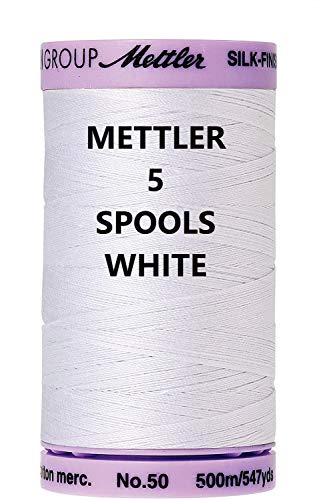
Mettler Silk Finish is treated to ensure it stays strong even after repeated washings and heavy wear. For garments that see a lot of action—like children’s sweaters or frequently worn cardigans—this is your best defense against seam failure.
The "silk finish" refers to a mercerization process that gives the cotton a slight sheen and increased strength. It is less prone to lint buildup, which keeps your finished project looking clean and professional long after it leaves your needles.
It is a slightly stiffer thread than others, which is exactly why it excels at structural work. It doesn’t stretch, ensuring that your seams stay exactly where you placed them during the blocking process.
Coats & Clark Cotton: Best Budget Option
We have all been there: you are halfway through a project and realize you are out of thread, but you don’t want to break the bank. Coats & Clark is the classic, accessible choice that you can find at any local craft store.
While it might not have the high-end finish of luxury brands, it is perfectly adequate for internal structural tasks like sewing in shoulder stays or ribbon reinforcement. It is a solid, no-nonsense thread that gets the job done without any fuss.
Don’t be fooled by the lower price point; this thread is more than capable of holding a seam together. Just be mindful of your tension, as budget threads can sometimes be slightly more prone to tangling if you pull them too hard.
Superior Threads MasterPiece: Best for Fine Work

When you are working with lace weight or fine fingering yarns, you need an assembly thread that won’t add unnecessary bulk. Superior Threads MasterPiece is incredibly thin yet remarkably strong, making it ideal for invisible repairs or delicate seams.
This thread is perfect for "invisible" assembly where you want the seam to be completely hidden within the stitch pattern. Because it is so fine, it doesn’t distort the gauge of your knitting, keeping your delicate lace work looking crisp and airy.
It does require a bit more patience to handle because of its thinness, but the results are unmatched. If you are finishing an heirloom-quality shawl, this is the thread you want in your kit.
Madeira Cotona Thread: Best Color Selection

Sometimes, you need a thread that perfectly matches your hand-dyed yarn. Madeira Cotona offers a massive range of colors, which is essential when you want your sewing thread to be truly invisible against your work.
Having the right color is the secret to a professional-looking finish. When your thread matches the exact shade of your yarn, any minor inconsistencies in your sewing technique disappear instantly.
The quality of the cotton is high, providing a soft touch that feels comfortable against the skin. It’s a great choice for projects where the seam might touch the wearer directly, such as inside a neckband or cuff.
Understanding Thread Weight and Fiber Strength
Thread weight is often misunderstood, but it is essentially a measure of thickness. In the world of cotton thread, a lower number actually means a thicker thread, which is the opposite of how we typically think about yarn weights.
Fiber strength is determined by the length of the cotton staple and how tightly the thread is plied. High-quality cotton uses long-staple fibers, which means there are fewer ends to fray and snap during the life of the garment.
Always consider the weight of your yarn before choosing your thread. You want the thread to be strong enough to hold the weight of the fabric, but not so thick that it creates a hard, uncomfortable ridge in your seam.
Why Cotton is Ideal for Structural Assembly
Cotton is the gold standard for knitting assembly because it shares similar properties with most natural fibers. It is breathable, durable, and—most importantly—it doesn’t stretch significantly under tension.
Unlike polyester threads, which can have a bit of "give" or bounce, cotton remains stable. This stability is crucial when you have spent hours blocking a garment to specific dimensions; you don’t want a stretchy thread to pull your hard-won shape out of alignment.
Furthermore, cotton handles heat well, which is vital when you are pressing your seams. You can use your iron to set your seams flat without worrying about the thread melting or reacting poorly to the steam.
How to Match Thread Weight to Your Fabric Type
The rule of thumb is simple: match the thread weight to the yarn weight. If you are knitting with chunky wool, go for a heavier weight thread like the Aurifil 12wt. If you are knitting with lace or fingering weight, stick to the finer threads like MasterPiece.
You should also consider the structure of the stitch pattern. If you are sewing through a dense, twisted stitch fabric, you need a stronger, more abrasion-resistant thread. If you are sewing through loose, delicate lace, you need something that won’t catch or tear the fibers.
When in doubt, perform a test swatch. Sew a small seam using the same yarn and thread you intend to use, then give it a gentle tug to see how it holds up.
Essential Tips for Preventing Thread Breakage
The most common cause of thread breakage is actually the needle eye. If your needle is too small for the thread, the friction will shred the cotton as you pull it through, leading to an inevitable snap.
Always use a sharp, high-quality needle and keep your thread length manageable. If your thread is too long, it will twist and knot as you sew, putting unnecessary stress on the fibers and increasing the likelihood of a break.
Finally, watch your tension. We often pull our sewing thread tighter than necessary, forgetting that the yarn itself has some natural movement. A balanced, gentle tension will result in a much longer-lasting seam.
Finding the perfect cotton thread is a journey of testing and preference, much like finding your favorite needle brand. By choosing a thread that complements the weight and fiber of your yarn, you ensure your finished pieces remain as beautiful as the day you cast them off. Take the time to experiment with these options, and your structural assembly will reach a professional level of durability. Happy knitting, and may your seams always be as strong as your stitches.