6 Best Bent Tip Tapestry Needles For Seaming Reviewed
Finding the right bent tip tapestry needle makes seaming easier. We review the top 6 options to help you achieve seamless, professional finishes every time.
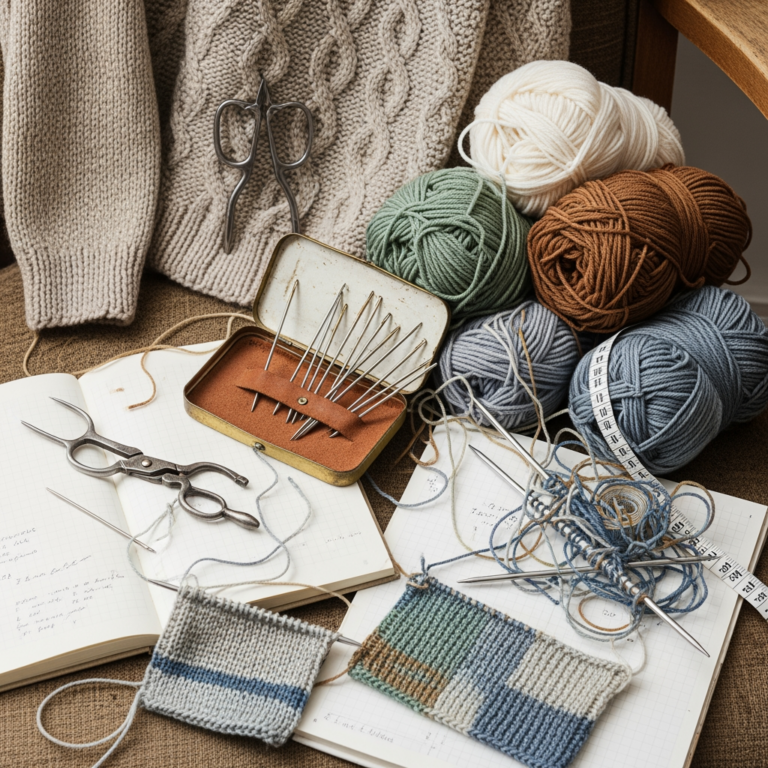
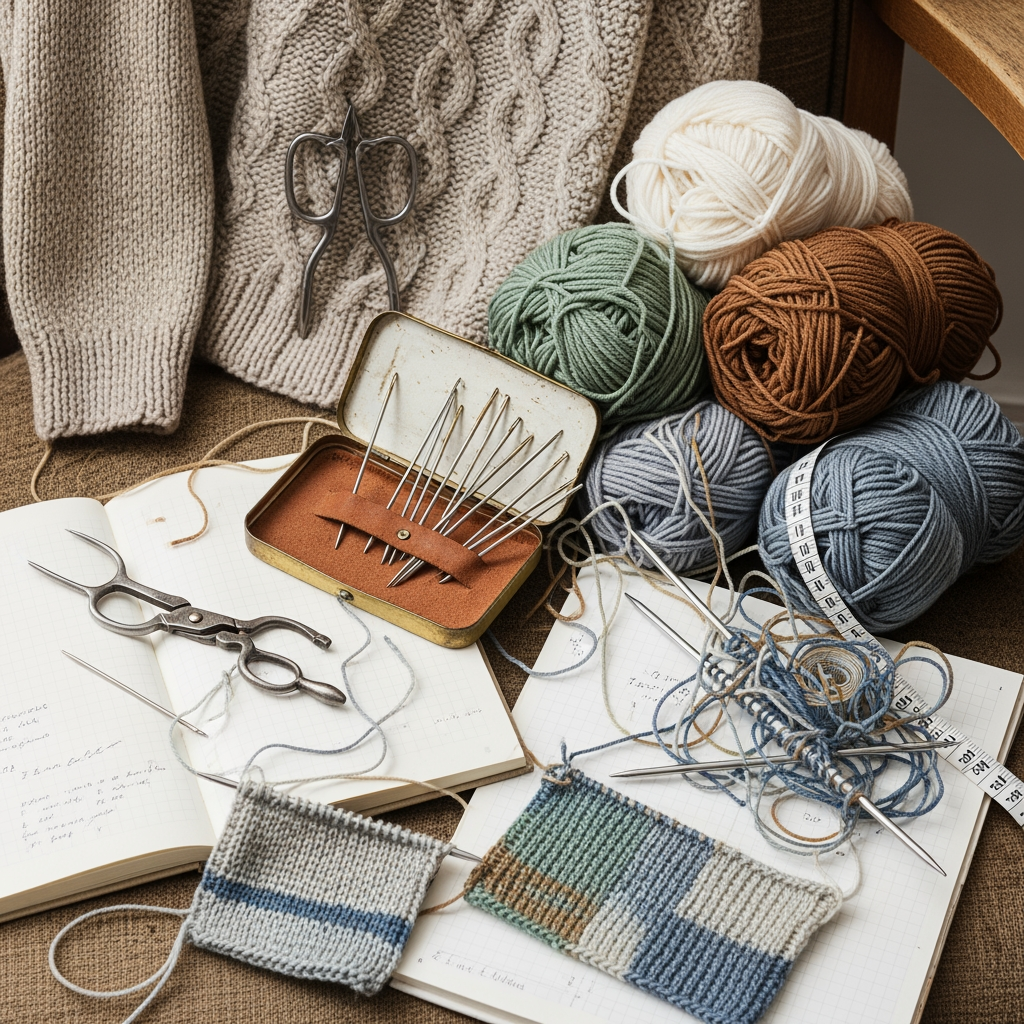
Seaming is the final hurdle that transforms a collection of flat, knitted panels into a wearable garment, yet many knitters dread this stage. Using the right tool can turn a tedious chore into a satisfying, meditative experience that elevates your finished project. Bent tip tapestry needles are specifically engineered to navigate through tight stitches without splitting the yarn fibers. This guide explores the top six options on the market to help you achieve that elusive, professional-looking seam.
Clover Bent Tip Tapestry Needles: The Gold Standard


Clover needles are a staple in almost every well-stocked knitting bag, and for good reason. Their signature bent tip is angled just enough to slide under a loop without snagging the surrounding fabric, making them incredibly intuitive for beginners.
These needles feature a smooth, polished finish that glides through wool and acrylic alike. Because they are widely available and consistently manufactured, they serve as the perfect baseline for any knitter’s toolkit.
If you often find yourself fumbling with straight needles while trying to pick up a mattress stitch, the Clover design will feel like a revelation. They are reliable, affordable, and perform exactly as expected every single time.
ChiaoGoo Bent Tip Tapestry Needles: Best Durability
When you are working with heavy-duty fibers or dense, felted projects, you need a needle that won’t bend out of shape under pressure. ChiaoGoo needles are crafted from high-quality steel, offering a level of rigidity that is unmatched in the industry.
The slightly larger eye on these needles makes threading bulky or multiple strands of yarn a much less frustrating endeavor. They are built to last, meaning you won’t be constantly replacing them as the tip loses its luster or structural integrity.
While they are slightly heavier than aluminum alternatives, that weight provides a sense of control during intricate seaming. If you’re a heavy-handed knitter who tends to snap or warp thinner needles, these are your best bet.
Cocoknits Steel Bent Tip Needles: Best for Precision

Cocoknits has mastered the art of the "minimalist tool," and their steel needles are a testament to that philosophy. These needles are exceptionally slim, making them ideal for delicate lace projects or fine-gauge garments where bulky needles would distort your tension.
The finish on these needles is matte, which provides just enough friction to keep the yarn from slipping off while you navigate tight corners. They are designed for the knitter who prioritizes clean, invisible joins above all else.
Because they are so slender, they are best suited for fingering or lace-weight yarns. If you try to force them through a chunky wool, you may find they lack the necessary heft, but for fine work, they are truly unparalleled.
Tulip Tapestry Needles with Bent Tips: Best Finish

Tulip is renowned for their meticulous manufacturing process, and their tapestry needles are no exception. The tips are polished to a mirror-like shine, ensuring that they pass through even the most delicate hand-dyed silk or alpaca with zero resistance.
The "bent" portion of the needle is incredibly smooth, preventing the dreaded "fiber splitting" that ruins the look of a clean seam. Using these needles feels like a luxury experience, which can make the long process of seaming a sweater feel significantly more pleasant.
If you have spent hours knitting a complex lace shawl, don’t compromise your hard work with a cheap, burred needle. Invest in these for the final step to ensure your stitches remain pristine and untouched.
Susan Bates Bent Tip Needles: Best Budget Option
For the knitter who is just starting out or who tends to lose needles in the couch cushions, Susan Bates offers a fantastic, no-nonsense solution. These needles are lightweight and straightforward, providing the essential functionality of a bent tip without any unnecessary frills.
They are often sold in multi-packs, which is a massive advantage if you frequently switch between different yarn weights. You can keep one in your project bag, one at your desk, and one in your travel kit without breaking the bank.
While they may not have the premium finish of a boutique brand, they get the job done reliably. They are the "workhorse" of the tapestry needle world, perfect for practice and everyday utility.
Bohin Bent Tip Tapestry Needles: Best for Fine Yarn

Bohin needles are the gold standard for those who work primarily with fine-gauge yarns or embroidery-weight threads. The eyes are surprisingly large for such a thin needle, allowing for easier threading without sacrificing the needle’s slim profile.
These needles are incredibly flexible, which can be an advantage when you need to maneuver through tight, complex stitch patterns. They don’t feel brittle, giving you confidence that they will hold up over multiple projects.
If your knitting projects lean toward the delicate side, Bohin is the brand you should be reaching for. They offer the perfect balance of strength and finesse for high-end garment finishing.
Why Bent Tips Are Essential for Professional Seaming
The primary advantage of a bent tip is its ability to act as a "hook" rather than a piercing tool. When seaming, you are typically sliding the needle under the horizontal bars of your edge stitches; a straight needle often wants to dive deep into the fabric, risking a snag.
A bent tip stays closer to the surface of the fabric, following the path of least resistance. This prevents you from accidentally grabbing a stray fiber from the stitch below, which is the most common cause of "bumpy" or uneven seams.
- Improved visibility: The angle allows you to see exactly where the needle is entering the stitch.
- Reduced hand fatigue: You don’t have to manipulate your wrist as much to get the correct angle.
- Consistent tension: By staying on the surface, you ensure that your seaming thread doesn’t pull the fabric inward too tightly.
How to Choose the Correct Gauge for Your Yarn Weight
Matching your needle size to your yarn weight is just as important in seaming as it is in knitting. If your needle is too thick, it will stretch out your stitches and leave visible gaps in your seam.
If the needle is too thin, it will be difficult to thread and may actually cut through the fibers of your yarn. A good rule of thumb is to choose a needle that is roughly the same diameter as the yarn you are using for the seam.
- Lace/Fingering: Use a size 24 or 26 needle.
- Sport/DK: Use a size 20 or 22 needle.
- Worsted/Bulky: Use a size 16 or 18 needle.
Essential Seaming Techniques for Seamless Finishing
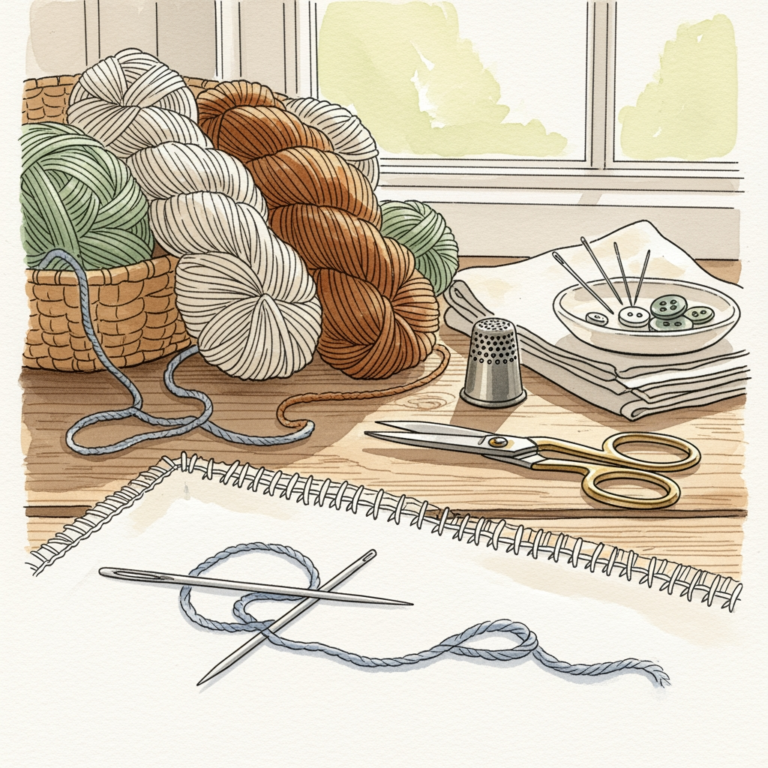
The most popular technique for joining two knitted pieces is the mattress stitch, which creates a nearly invisible seam. By working from the right side of the fabric, you can mirror the "V" of your stitches, effectively knitting the two pieces together.
Another essential technique is the duplicate stitch for securing yarn ends or joining panels where a flat finish is required. Regardless of the technique, the key is to keep your tension loose and consistent throughout the entire length of the seam.
Always block your pieces before seaming; this relaxes the fibers and makes the edge stitches much easier to identify. A well-blocked edge is the single biggest factor in achieving a professional finish.
Expert Maintenance Tips for Your Tapestry Needles
Even the highest-quality needles can lose their effectiveness if they aren’t cared for properly. After every project, wipe your needles with a soft, dry cloth to remove any oils or residue from your hands or the yarn fibers.
If you notice a burr on the tip of your needle, don’t keep using it, as it will snag your yarn and potentially ruin your work. You can sometimes smooth out a minor burr with a very fine-grit emery board, but if the damage is significant, it’s safer to replace the needle.
Store your needles in a dedicated case or a magnetic pin cushion to prevent them from bending or getting lost. Treating your tools with the same respect you give your hand-dyed yarn will ensure they remain reliable for years to come.
Choosing the right bent tip tapestry needle is a small investment that pays off in the quality of your finished garments. By matching your tool to your yarn weight and technique, you can elevate your seaming from a necessary evil to a highlight of your process. Take the time to find the needle that feels most comfortable in your hand, and your projects will thank you for it. Happy seaming!