6 Best Ergonomic Chair Supports For Long Projects
Improve your focus with our top 6 ergonomic chair supports. We evaluate comfort, lumbar alignment, and durability to help you sustain productivity all day long.
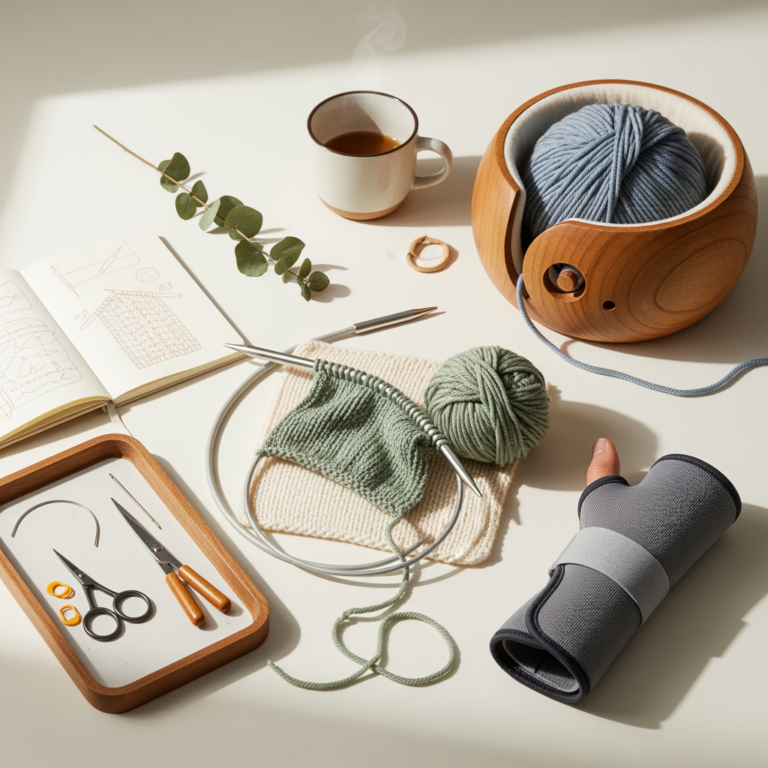
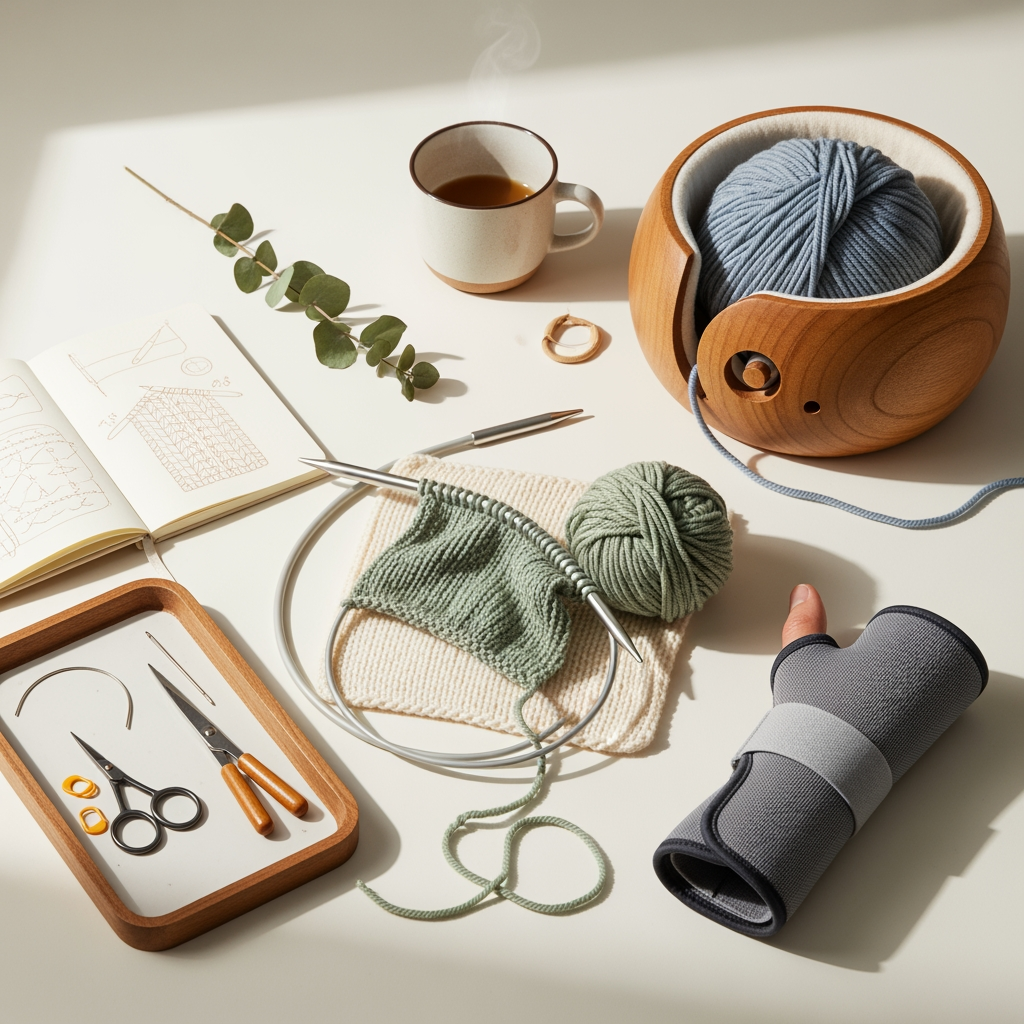
Spending hours hunched over a complex lace shawl or a dense, stranded colorwork sweater can wreak havoc on your spine if you aren’t properly supported. As someone who has spent two decades working through everything from delicate cobweb-weight yarn to heavy, unspun wool roving, I know that the quality of your stitch is only as good as the health of your back. Investing in the right ergonomic support is not just about comfort; it is about ensuring you can keep knitting for years to come. These six supports are designed to keep you in the "knitting zone" without the nagging ache of a strained lower back.
Everlasting Comfort Lumbar Support: Best Overall
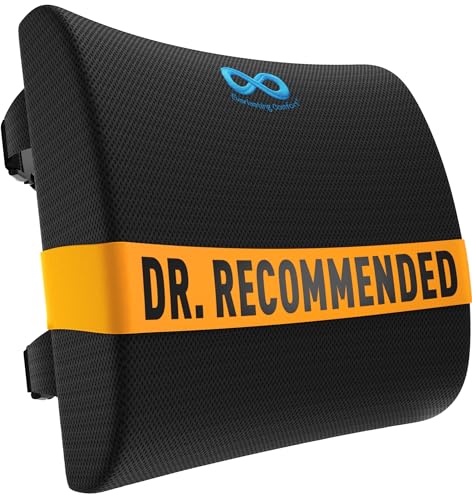

When you are deep into a complex project like a top-down sweater with intricate cables, you often forget to shift your weight for hours. This memory foam support is my top choice because it strikes a perfect balance between firmness and adaptability.
Its ergonomic shape follows the natural curve of your spine, which is essential when you’re leaning forward to check your gauge or count your stitches. Unlike cheaper foam pillows that flatten out after a few rows, this one holds its structure throughout even the longest marathon knitting sessions.
The real benefit here is the dual-strap system, which keeps the cushion from sliding down your chair while you reach for your yarn bowl or scissors. If you tend to knit with a lot of tension, you’ll find that having this extra support helps you keep your shoulders relaxed, which in turn prevents that dreaded "knitter’s hunch."
Tempur-Pedic Lumbar Support: Top Premium Pick

If you are a professional knitter or someone who produces high-volume work for markets, your chair setup is your most important tool. The Tempur-Pedic support uses proprietary pressure-relieving material that feels like it was custom-molded to your back.
The density of this material is unmatched, providing a level of stability that allows you to focus entirely on your needle tips rather than your lower back pain. It is an investment, yes, but think of it like buying a set of high-end carbon fiber needles; the performance difference is immediate and lasting.
One thing to note is that this cushion is quite firm, which is excellent for maintaining posture but might take a few sessions to get used to if you prefer a softer feel. It is ideal for those long nights of finishing a project before a deadline, where every bit of support helps maintain your rhythm.
LoveHome Memory Foam Cushion: Best for Posture

Proper posture is the secret to avoiding the repetitive strain injuries that plague many long-time knitters. This cushion is specifically contoured to encourage a neutral spine, which is vital when you are working on a project that requires constant focus on your stitch pattern.
By nudging your lumbar region into the correct position, it makes it much harder to slouch over your work. I find that when my posture is aligned, my hands and wrists don’t tire as quickly, likely because the tension is distributed more evenly through my back and core.
The breathable mesh cover is a nice touch, especially if you are working with wool or other animal fibers that can make you feel a bit warm under studio lights. Just remember that no cushion can fix your posture entirely; you still need to consciously check in with your body every few rounds.
Vremi Ergonomic Seat Cushion: Best for Stability

Sometimes, the issue isn’t just your back; it’s the base of your chair. If you are knitting on a hard wooden dining chair, this seat cushion provides the necessary foundation to keep your hips level and your spine aligned.
It features a U-shaped cutout that relieves pressure on your tailbone, which is a game-changer if you have ever felt numbness while working on a long, repetitive stockinette project. When your hips are stable, your entire upper body stays more relaxed, which is essential for maintaining consistent gauge.
This cushion is perfect for knitters who move between rooms or take their projects to knitting circles. It is lightweight and portable, ensuring that you have a consistent ergonomic experience whether you are at your desk or your favorite local coffee shop.
ComfiLife Gel Enhanced Cushion: Best for Comfort

The cooling gel layer in this cushion is a lifesaver during the summer months when you are working with heavy, insulating fibers like alpaca or thick wool. It prevents that uncomfortable heat buildup that happens when you sit for extended periods.
It is soft yet supportive, providing a "cushy" feeling that makes it easier to settle into a long evening of binge-knitting. If you find that traditional foam is too rigid for your comfort, the gel-infused memory foam offers a more forgiving experience.
However, be aware that this cushion is slightly thicker than others, so you might need to adjust your chair height to ensure your feet remain flat on the floor. Proper foot placement is just as important as lumbar support for maintaining a healthy knitting posture.
Gideon Shiatsu Massage Pillow: Best for Relief

After a grueling week of finishing a complex lace project, your muscles might be knotted tight. This massage pillow isn’t just a support; it’s a recovery tool that uses heat and rolling nodes to work out the tension in your lower back.
I recommend using this after your knitting session rather than during, as the movement can be a bit distracting when you are trying to keep track of a complex chart. It is an excellent way to reset your body before starting a new project or moving on to the blocking phase.
Just be careful not to overdo it; even a good massage can cause soreness if you use it for too long. Treat it as a reward for completing a difficult section, rather than a permanent fixture in your chair.
How to Adjust Your Chair for Knitting Sessions
- Height: Adjust your chair so your feet are flat on the floor and your knees are at a 90-degree angle.
- Depth: Your back should be fully supported by the lumbar cushion, with a small gap between the back of your knees and the seat edge.
- Armrests: Keep these at a height where your elbows are at a 90-degree angle, allowing your forearms to rest comfortably while you knit.
- Monitor/Eye Level: If you are following a digital pattern, bring the screen to eye level to avoid looking down and straining your neck.
Why Lumbar Support Prevents Knitting Fatigue
Knitting is a full-body activity, even if it feels like it’s just happening in your hands. When your lumbar region isn’t supported, your core muscles work overtime to stabilize your torso, leading to rapid exhaustion.
Proper support allows your back muscles to relax, which prevents the "round-shouldered" posture that leads to nerve compression. By keeping your spine in its natural S-curve, you ensure that your blood flow remains consistent and your muscles stay energized for longer.
Think of your lumbar support as the foundation of your knitting; if the base is weak, the structure above it will eventually collapse. When your spine is aligned, you can focus on the nuance of your yarn and the rhythm of your needles without the distraction of physical pain.
Essential Stretches for Long Knitting Projects
- Neck Tilts: Gently tilt your head from side to side to release tension built up from looking down at your needles.
- Shoulder Rolls: Roll your shoulders backward and down to open up your chest and counteract the forward slouch.
- Wrist Flexion/Extension: Extend your arm and gently pull your fingers back to stretch your forearm muscles, which are crucial for repetitive knitting motions.
- Torso Twists: While seated, gently twist your torso to the right and left to keep your spine mobile and prevent stiffness.
Tips for Maintaining Proper Knitting Posture
The most important tip is to set a timer for every 30 to 45 minutes to stand up and move. No matter how good your chair is, your body was designed for movement, not for holding a static position for hours on end.
When you are in the middle of a row, consciously check your tension. If you find your shoulders creeping up toward your ears, take a breath, drop your shoulders, and reset your posture before continuing.
Finally, consider the weight of your project. If you are knitting a heavy blanket, place it on a pillow in your lap to take the weight off your wrists and shoulders. This simple adjustment, combined with your new lumbar support, will make a world of difference in your knitting longevity.
Investing in your ergonomic setup is the best way to ensure that your love for knitting remains a lifelong passion rather than a source of chronic pain. By choosing the right lumbar support and paying attention to your posture, you can turn every knitting session into a comfortable, restorative experience. Remember to listen to your body, take frequent breaks, and always prioritize your physical health alongside your creative output. Happy knitting, and may your stitches always be even and your back remain pain-free.