7 Best Loom Finishing Needles For Mattress Stitch
Master the mattress stitch with our guide to the 7 best loom finishing needles, curated for precision, durability, and seamless fabric joining every time.
Finishing a project is often the most nerve-wracking part of the knitting process, especially when it comes to joining seams. A mattress stitch requires a needle that can navigate delicate stitch structures without splitting the yarn fibers. Using the wrong tool can lead to bulky, uneven seams that ruin the drape of your hard work. Choosing the right needle is the difference between a professional finish and a seam that looks like an afterthought.
Clover Chibi Bent Tip Tapestry Needles: Best Overall


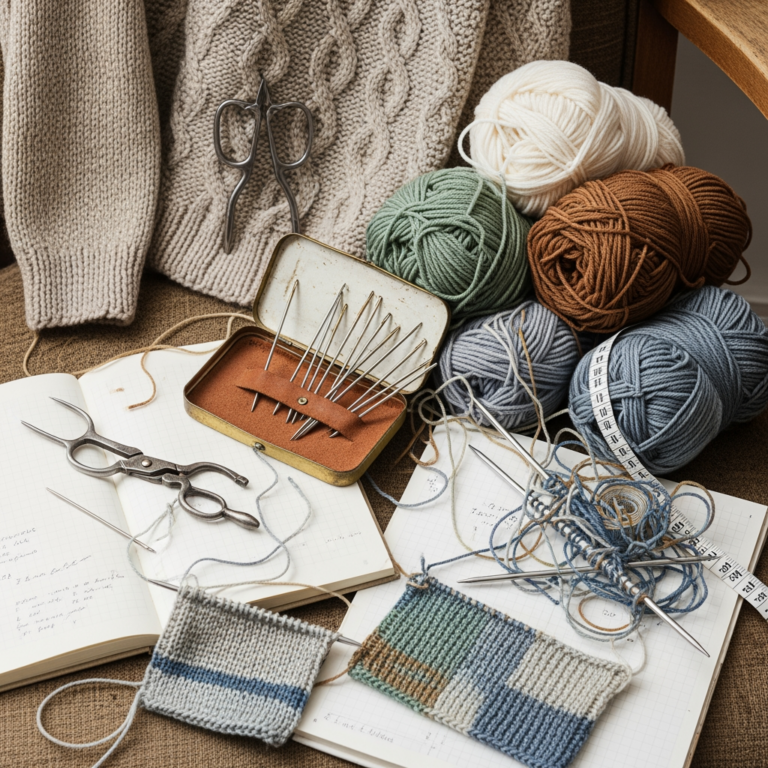
These needles have become a staple in my notions bag for one simple reason: the bent tip. That slight curve allows you to scoop up the horizontal bars of your mattress stitch without accidentally piercing the yarn plies.
They come in a convenient, sturdy carrying case that keeps them from getting lost in the bottom of your project bag. The combination of a smooth finish and a rounded point makes them incredibly gentle on wool, alpaca, and even delicate silk blends.
While they aren’t the cheapest option on the market, the durability of the tip is unmatched. If you frequently work with expensive, hand-dyed yarns, this is an investment that protects your materials.
Dritz Yarn Darner Needles with Flexible Eye

If you struggle with threading needles, the Dritz Yarn Darner is a game-changer. The large, flexible eye collapses slightly, making it much easier to pull through even the thickest wool or novelty yarns.
Because these needles are slightly longer than standard tapestry needles, they provide excellent leverage when working on bulky sweaters or heavy blankets. However, the length can sometimes feel cumbersome if you are working on tight, small-scale projects like socks.
These are best suited for beginners who are still mastering the mechanics of the mattress stitch. The extra length gives you more surface area to grip, helping you maintain consistent tension throughout the seam.
Susan Bates Finishing Needles for Chunky Yarns

When you are working with super bulky or jumbo weight yarns, a standard needle is often too small to hold the strand securely. Susan Bates needles are designed specifically for these high-volume fibers, featuring a larger gauge that accommodates thick yarn without fraying it.
They are made from durable plastic, which means they are lightweight and won’t snag on loose mohair fibers. Because they are plastic, they have a slightly grippier surface than steel, which helps keep the yarn in place as you pull it through the seam.
Be aware that these are not meant for fine-gauge work. If you try to use these on a fingering weight project, you will likely stretch out your stitches and create a visible, distorted seam.
Bohin France Steel Tapestry Needles for Precision

Bohin needles are the gold standard for those who value traditional craftsmanship. Made from high-quality nickel-plated steel, they have a slick, polished surface that glides effortlessly through even the tightest, most dense fabric.
These needles are exceptionally strong and will not bend, even if you are sewing together a heavy wool coat or a structured cardigan. The eye is perfectly shaped to minimize friction, which prevents your yarn from snapping during the final stages of finishing.
They are the preferred choice for advanced knitters who need absolute control over their needle placement. Because they are so sharp, you must be careful to stay in the gaps between stitches rather than splitting the fiber.
Tulip Etimo Tapestry Needles with Large Eyes

Tulip is famous for their ergonomic crochet hooks, and they bring that same attention to detail to their tapestry needles. These needles are polished to a high sheen, ensuring they don’t catch on delicate fibers like cashmere or merino.
The standout feature here is the large, smooth eye that transitions seamlessly into the body of the needle. This prevents the "hump" that often occurs where the yarn meets the eye, which is usually the point where most snags happen.
They are an excellent choice for knitters who suffer from hand fatigue. The needles are balanced perfectly, making them feel like a natural extension of your fingers during long seaming sessions.
HiyaHiya Steel Darning Needles for Fine Seams

If you are a sock knitter, you know the pain of trying to graft a toe with a needle that is too thick. HiyaHiya offers a range of steel needles that are slender and pointed, perfect for fine-gauge work where precision is non-negotiable.
Because these needles are made from high-grade stainless steel, they are incredibly thin yet remarkably rigid. You can easily navigate the tight, complex structure of a 2.25mm gauge fabric without distorting the surrounding stitches.
These are not the best choice for beginners, as the pointed tips require a steady hand to avoid splitting the yarn. However, for the experienced maker, they offer a level of finesse that blunt-tipped needles simply cannot match.
ChiaoGoo Stainless Steel Bent Tip Finishing Needles
ChiaoGoo is known for their high-quality stainless steel, and these needles are no exception. They feature a slight bend at the tip, which is ideal for "hooking" the fabric as you move across the seam.
The stainless steel construction means they are hypoallergenic and won’t tarnish over time, even if you keep them in your kit for years. They are also incredibly slick, which makes them perfect for working with sticky fibers like alpaca or high-twist wools.
I recommend these for knitters who appreciate a tool that feels substantial in the hand. They have a satisfying weight that helps you keep your rhythm steady as you work your way up the side of a garment.
Why Bent Tip Needles Improve Your Mattress Stitch
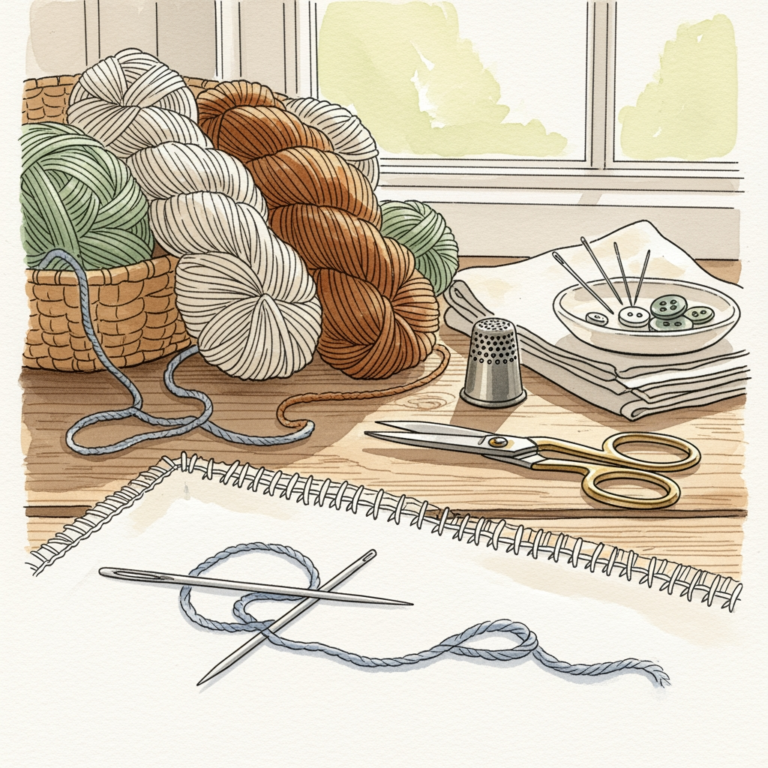
The primary goal of the mattress stitch is to mimic the "V" shape of a knit stitch, creating an invisible join. A straight needle often forces you to enter the fabric at an awkward angle, which can lead to catching the wrong part of the stitch.
A bent tip acts like a guide, allowing you to slide the needle horizontally behind the stitch bars with minimal effort. This ergonomic adjustment reduces the strain on your wrists and makes the process of seaming much faster.
- Reduced Splitting: The curve helps you navigate around the plies rather than through them.
- Better Visibility: The angle keeps your hand out of the way, allowing you to see exactly where the needle is entering.
- Consistent Tension: Because the needle tracks more naturally, your stitches end up more uniform.
Choosing the Right Needle Gauge for Your Fiber
Selecting the right needle size is just as important as choosing the right yarn. If your needle is too thick, it will stretch your stitches and create a visible gap; if it is too thin, it may struggle to carry the weight of the yarn.
- Fingering/Sock Weight: Use a thin, steel needle (size 22 or 24).
- DK/Worsted Weight: Use a medium-sized tapestry needle (size 18 or 20).
- Bulky/Chunky Weight: Use a large-eye needle or a plastic finishing needle.
Always perform a "test drive" on a swatch before you begin seaming your actual project. If you feel resistance or see the fabric puckering, switch to a smaller needle immediately.
Essential Tips for Achieving Invisible Seams
The secret to an invisible seam is consistency. Try to pick up the same two bars of the stitch on every pass, and pull your yarn taut—but not too tight—after every few stitches.
If you are working with a dark yarn, it can be helpful to use a bright light or even a magnifying glass to ensure you are hitting the right spots. If you make a mistake, don’t be afraid to unpick and redo a section; a bad seam is much harder to fix once the yarn has been woven in.
Finally, remember that blocking is your best friend. A seam that looks slightly uneven while you are working on it will often settle into place perfectly once the garment has been washed and blocked.
Mastering the mattress stitch is a rite of passage for every knitter, and your choice of needle is the most critical factor in your success. Whether you prefer the precision of stainless steel or the ease of a bent tip, there is a tool perfectly suited to your project. Take the time to experiment with different types, and don’t settle for a needle that fights against your yarn. With the right equipment in hand, your seams will look just as professional as the rest of your beautiful work.