6 Best Glass Buttons For Formal Evening Wraps
Elevate your evening wear with our top six glass button picks. Discover durable, elegant designs that add a sophisticated, shimmering finish to formal wraps.
A formal evening wrap is the crowning achievement of a dedicated knitter, but the wrong closure can instantly cheapen the entire project. Selecting the right glass button is about balancing the weight of your fiber with the refractive beauty of the glass. These small, functional accessories act as the jewelry of your garment, turning a simple knit into a sophisticated heirloom. Here is how to choose the perfect glass button to elevate your next evening piece.
Vintage Czech Pressed Glass: Best Overall Choice


Vintage Czech glass is the gold standard for knitters who want a balance of historical charm and structural reliability. These buttons are molded under high pressure, resulting in crisp, defined edges that don’t blur over time.
Because they are often made from durable, dense glass, they hold up exceptionally well against the friction of wool or silk-mohair blends. You aren’t just buying a button; you are buying a piece of craftsmanship that has survived decades, making it a perfect match for a timeless wrap.
The slight weight of these buttons provides a necessary "anchor" for lighter lace-weight wraps, helping the fabric drape more gracefully. Just be mindful of the shank—vintage pieces can sometimes have sharp edges on the underside of the loop, so check them before sewing to ensure they won’t fray your yarn.
Swarovski Crystal Shank Buttons: Most Elegant

When the occasion calls for high-glamour, nothing catches the light like a Swarovski crystal shank button. These are precision-cut for maximum brilliance, creating a sparkle that synthetic alternatives simply cannot replicate.
For a formal evening wrap, these buttons serve as the focal point, often replacing the need for additional jewelry. They work best on high-twist, smooth yarns like silk or merino-silk blends, where the sleekness of the fiber complements the clarity of the crystal.
However, keep in mind that these are heavy and can cause "sagging" if your wrap is knitted at a loose gauge. If you choose these, consider reinforcing the inside of your button band with a small piece of ribbon or extra stabilizing stitches to distribute the weight.
Japanese Miyuki Glass Buttons: Best Detail Work

Miyuki glass is renowned for its extreme uniformity and delicate, intricate finishes. These buttons are ideal for knitters who appreciate the subtle, artistic details that only become apparent upon close inspection.
They are often lighter than traditional pressed glass, making them the superior choice for delicate fingering-weight shawls that might otherwise lose their shape. Their consistent sizing means your buttonholes will look perfectly professional, even if your manual buttonhole technique is still a work in progress.
Be aware that because they are so finely crafted, they can be fragile. I recommend keeping a spare button tucked inside the care label of your wrap, just in case one takes a hard knock against a table edge.
Venetian Millefiori Glass: Best Color Palette

Millefiori, or "thousand flowers," buttons are essentially miniature works of art made from fused glass canes. They offer an unmatched depth of color, making them the perfect choice if you want to pull together a multicolored or variegated yarn project.
The beauty of these buttons lies in their individuality; no two are exactly alike. This adds a bespoke, artisanal quality to your wrap that feels intentionally curated rather than mass-produced.
Because they are often vibrant and busy, they work best on solid-colored wraps where they can truly shine. If your wrap is a complex lace pattern, ensure the button colors don’t clash with the intricacy of your stitch work.
Lampwork Floral Glass Beads: Best Statement Piece
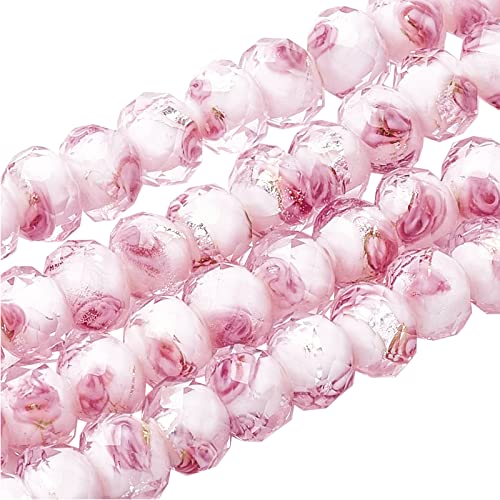
Lampwork buttons are individually crafted over a torch, creating unique, raised designs that have a tactile, organic feel. These are the "statement pieces" of the button world, perfect for a wrap that needs a singular, dramatic closure.
Because these are handmade, the shanks can vary in size and orientation. Always test the button through your buttonhole before you finish your bind-off, as the raised glass can sometimes be thicker than a standard buttonhole allows.
These buttons are best suited for heavier, worsted or bulky weight wraps. Their size and weight can overwhelm a delicate lace shawl, so save these for pieces with a bit more structural integrity.
Recycled Sea Glass Buttons: Best Sustainable Pick
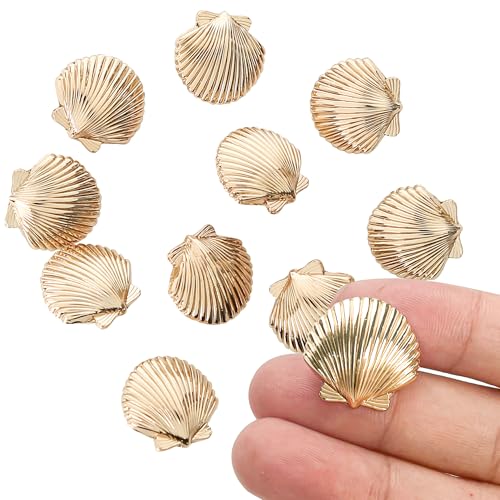
Recycled sea glass buttons offer a frosted, matte aesthetic that feels modern and earthy. They are the perfect choice for a wrap made from rustic, long-wool fibers or hand-spun yarns that celebrate the natural texture of the wool.
The soft edges of sea glass are incredibly gentle on delicate fibers, meaning you won’t have to worry about snagging your wrap. They provide a sophisticated, understated elegance that doesn’t scream for attention but rewards the observer.
Since these are often tumbled, the thickness can vary slightly from button to button. If you are using a set, lay them out side-by-side to ensure they look cohesive before you commit to sewing them on.
How to Select the Right Size for Evening Wraps
The golden rule of button sizing is to ensure the button is roughly 1/8th of an inch wider than the buttonhole itself. For evening wraps, which often feature delicate lace or open-work, you want to avoid buttons that are too large, as they will stretch the fabric and distort your stitch pattern.
- Small (10-15mm): Best for light lace wraps and delicate silk-mohair.
- Medium (18-22mm): Standard for most medium-weight shawls and wraps.
- Large (25mm+): Only for heavy-weight wraps or structured garments.
Always knit a small gauge swatch that includes a sample buttonhole before you finalize your button purchase. This allows you to test the "fit" and ensure the button doesn’t slip out during movement.
Attaching Glass Buttons to Delicate Knit Fabric
Never sew a glass button directly onto the knit fabric without a "backing button." A backing button is a small, flat plastic or metal button sewn on the inside of the garment, directly behind the decorative glass button.
This creates a "sandwich" effect, distributing the pull of the button across multiple stitches rather than just one. This simple step prevents the weight of the glass from pulling a hole in your beautiful knit fabric over time.
Use a strong, matching thread, such as a silk buttonhole twist or a high-quality polyester thread. Avoid using the same yarn you knitted with, as it will likely be too bulky and prone to snapping under the weight of the glass.
Caring for Glass Buttons on Hand-Knitted Items
Glass buttons are generally hardy, but they require care when it comes to cleaning your wrap. If your wrap is hand-washable, it is always best to remove the buttons before soaking the garment, especially if the buttons have metal shanks that might tarnish.
If you cannot remove them, spot-clean the area around the button with a damp cloth rather than submerging the whole piece. Never put a wrap with glass buttons in a machine wash or dryer, as the agitation can crack the glass or damage your delicate knit stitches.
Store your wrap folded flat rather than hanging it. The weight of the glass buttons can cause the fabric to stretch and distort if left hanging on a hanger for long periods.
Troubleshooting Common Glass Button Fastenings
If your buttonhole is slightly too large, don’t despair; you can use a bit of matching embroidery thread to "cinch" the edge of the buttonhole. This creates a smaller opening without having to rip out your knitting.
If the button shank is too short for the thickness of your button band, you can create a "thread shank" by wrapping your sewing thread multiple times between the button and the fabric. This provides the necessary clearance for the button to sit properly without pulling the fabric tight.
Lastly, if a button feels loose, check the shank immediately. It is much easier to re-sew a button than to repair a dropped stitch or a torn buttonhole caused by a loose, wobbly fastener.
Choosing the right glass button is the final, vital step in completing your formal evening wrap. By considering the weight, size, and attachment method, you ensure that your hard work remains both functional and beautiful for years to come. Take your time with the selection process, prioritize structural support, and let your chosen buttons provide that perfect, luminous finish. Your finished wrap will not only be a testament to your skill but a piece of wearable art you can be proud of for decades.