7 Best Wool Yarns For Delicate Lace Projects
Selecting the right wool is vital for lace. Discover our top 7 picks for delicate projects, focusing on fiber quality, stitch definition, and drape excellence.
Choosing the right yarn for a delicate lace project is the difference between a frustrating tangle and a breathtaking heirloom. Lace knitting requires a fiber that can hold its shape while highlighting the intricate geometry of yarn-overs and decreases. When you invest hours into a complex pattern, the yarn must be your partner, not your adversary. These seven selections represent the gold standard for creating ethereal, professional-grade lace.
Jamieson & Smith 2-Ply Lace: Best for Heritage
If you are looking to replicate the authentic, crisp aesthetic of traditional Shetland lace, this is your starting point. It is a true wool-spun yarn that possesses a distinct "tooth," or grip, which helps lace stitches stay exactly where you place them.
Unlike modern, super-slick yarns, this 2-ply lace is incredibly lightweight and airy. It is the gold standard for projects that require a traditional, matte finish rather than a glossy, modern sheen.
Because it is a non-superwash wool, it blooms beautifully during the blocking process. If you want your lace to have that classic, slightly rustic halo that defines heritage knitting, this is the yarn for you.
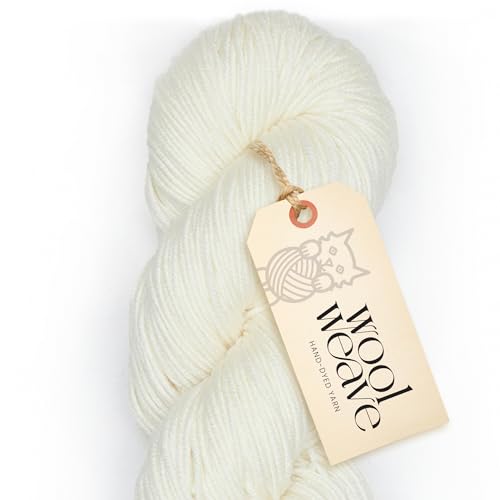

Malabrigo Lace: Best for Hand-Dyed Color Depth

Malabrigo Lace is a single-ply, 100% baby merino delight that feels like silk against the skin. If your project is a shawl intended for sensitive necks or shoulders, this is the most comfortable option on the market.
The hand-dyed colorways are legendary for their depth and variation, which can turn a simple lace repeat into a visual masterpiece. However, be aware that single-ply yarns are less durable than plied ones; they are prone to pilling if subjected to heavy friction.
Because of the variation in dye lots, always alternate skeins if you are working on a large project. This prevents "pooling" or abrupt color changes that can distract from your lace pattern.
Rowan Fine Lace: Best for Luxurious Alpaca Blend

This yarn is a sophisticated blend of baby suri alpaca and fine merino wool. The alpaca provides an incredible, cloud-like drape, while the merino ensures the yarn retains enough structure to define your lace motifs.
It is exceptionally soft, making it perfect for formal evening wraps or delicate scarves. The subtle halo created by the alpaca fibers softens the edges of your lace, giving the finished piece a romantic, ethereal quality.
Keep in mind that alpaca has no "memory"—it doesn’t snap back like sheep’s wool. For lace, this is actually a benefit, as it allows the fabric to drape heavily and elegantly rather than bunching up.
Isager Alpaca 1: Best for Lightweight Structure
Isager Alpaca 1 is a fingering-weight yarn that acts like a lace-weight, offering unmatched yardage and a very clean stitch definition. It is the go-to for knitters who want their yarn-overs to look sharp and architectural.
Because it is 100% alpaca, it is incredibly warm despite its thinness. It is an ideal choice for a lace-weight sweater or a delicate, insulating layer that doesn’t add bulk to your silhouette.
If you are a beginner to lace, this yarn is forgiving because it doesn’t split easily. Its consistent twist makes it a joy to work with on metal needles, where the slight grip of the alpaca prevents the yarn from sliding off too quickly.
Shibui Knits Lunar: Best for Silk Blend Sheen
Lunar is a stunning blend of extra-fine merino and silk, offering a subtle, sophisticated shimmer that elevates any project. The silk content provides a cool, fluid hand, making it perfect for summer lace garments.
The addition of silk gives the yarn a high degree of tensile strength, meaning it won’t snap under the tension required for complex cable-lace combinations. It is a "luxury" yarn that feels expensive because it is.
Be aware that the silk content makes this yarn somewhat slippery. If you are prone to dropping stitches, consider using wooden or bamboo needles to provide just enough friction to keep your work secure.

Quince & Co. Piper: Best for Soft Mohair Texture
Piper is a unique blend of superwash wool and mohair, providing a balance of strength and softness. The mohair adds a subtle fuzz that fills in the gaps of your lace, making the fabric look cohesive and finished.
This yarn is exceptionally strong, which is a major advantage for intricate lace patterns involving many consecutive decreases. You won’t have to worry about the yarn thinning or breaking as you manipulate your stitches.
Because it contains superwash wool, it is easier to care for than pure mohair or delicate wool blends. It is a practical choice for everyday lace accessories that you want to wear frequently without fear of damage.
Cascade Yarns Heritage Lace: Best Value Choice

Cascade Heritage Lace is a workhorse that proves you don’t need to spend a fortune to achieve professional results. It is a blend of superwash merino and nylon, which makes it exceptionally resilient and easy to block.
The nylon content adds a level of durability that is rare in lace-weight yarns. If you are knitting a project that will see a lot of wear, such as a lace-edged cardigan, this will hold up far better than a pure wool option.
It comes in a massive array of colors, making it the perfect choice for color-work lace or projects where you need a specific, vibrant hue. It is the most reliable, "no-surprises" yarn for long-term projects.
How to Choose Wool for Intricate Lace Patterns
Choosing the right fiber depends entirely on what you want your lace to do. If you want sharp, geometric patterns, choose a high-twist, non-superwash wool that holds its shape.
If you want a drapey, flowing shawl, look for blends containing silk, alpaca, or even linen. These fibers have less elasticity and will "grow" during blocking, which is ideal for opening up lace holes.
- High-twist wool: Best for crisp stitch definition.
- Silk/Alpaca blends: Best for drape and sheen.
- Superwash/Nylon: Best for durability and ease of care.
Always knit a swatch and block it aggressively. Lace looks completely different before and after a soak; seeing how your chosen yarn reacts to water is the only way to predict the final outcome.
Managing Tension in Fine Gauge Wool Projects
Tension is the most common struggle for lace knitters, especially when moving between yarn-overs and tight decreases. If your tension is uneven, your lace will look "lumpy" rather than uniform.
If you find yourself struggling, try using a slightly smaller needle size than the label suggests. This forces the stitches to be more uniform and prevents the yarn from "swimming" in the gauge.
- Use a needle gauge: Ensure your needles haven’t warped over time.
- Mind the yarn-overs: They tend to grow larger than knit stitches; keep your tension firm when working the stitch immediately following a yarn-over.
- Consistent posture: Lace requires hours of focus; keep your hands relaxed to avoid "death-gripping" the needles, which leads to inconsistent tension.
Essential Care Tips for Delicate Wool Lace Items
Lace is fragile, so treat it with the respect it deserves. Always hand-wash your finished items in cool water with a gentle wool wash; never use harsh detergents that can strip the natural oils from the fibers.
When drying, never hang your lace. Instead, lay it flat on blocking mats and use rust-proof T-pins to stretch it into shape. This is the most critical step in lace knitting, as it opens the eyelets and reveals the pattern.
Store your lace items folded in a breathable cotton or linen bag. Avoid plastic, which can trap moisture and cause mildew, and always use cedar or lavender sachets to protect your hard work from moths.

Mastering lace knitting is a journey of patience and precision, but the right yarn makes the process infinitely more rewarding. By understanding how different fibers behave, you can select the perfect material to bring your vision to life. Take your time, enjoy the rhythm of the needles, and remember that every stitch is a step toward a beautiful, lasting creation. Happy knitting!