6 Best Orifice Reducers For Fine Spinning To Try
Discover the 6 best orifice reducers for fine spinning. This guide explores top tools to improve yarn control, consistency, and precision in your craft.
Spinning fine, gossamer-weight lace yarn requires a level of control that standard orifice sizes simply cannot provide. When your yarn is thin as a spiderweb, a wide orifice allows the twist to travel too far up the fiber, resulting in uneven tension and frequent breaks. Using an orifice reducer allows you to tighten your drafting zone and maintain consistent plying. This guide explores the best tools to help you achieve that perfect, even spin.
Ashford Woolly Winder Orifice Reducer Set
The Ashford Woolly Winder system is a classic for a reason, offering a set of inserts that snap securely into your wheel’s orifice. These are designed specifically for the Ashford range, ensuring a snug fit that won’t pop out mid-spin when your yarn tension spikes.
Because they are precision-engineered for specific Ashford models, you don’t have to worry about the reducer vibrating loose. It creates a smooth, frictionless path for your singles, which is vital when you are working with delicate fibers like silk or high-micron merino.
If you find that your yarn is snagging on the orifice edge during long sessions, these inserts provide a much-needed buffer. They are an essential upgrade if you are moving from spinning bulky wool to fine, lace-weight singles.
Schacht Matchless Brass Orifice Reducer
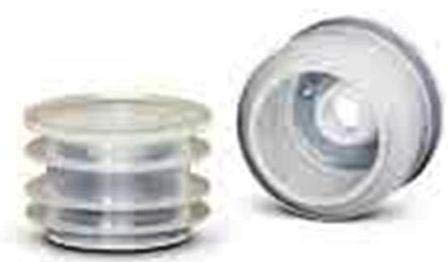

Brass reducers are the gold standard for durability and longevity in the spinning world. The Schacht Matchless brass insert is heavy enough to stay put, yet smooth enough to prevent the abrasion that can weaken fine, fragile fibers.
The weight of the brass also adds a subtle, grounding feel to the orifice area, which some spinners find helps with their rhythm. Because the metal is polished to a high sheen, your yarn glides through with minimal friction, preventing the "drag" that leads to over-twisting.
However, keep in mind that metal can get cold or warm depending on your room temperature. If you are a sensitive spinner, you might notice this slight temperature shift during marathon spinning sessions.
Kromski Polished Wood Orifice Reducer
Kromski’s wooden reducers are a beautiful, aesthetic choice that blends seamlessly with the look of their wheels. Beyond the visual appeal, wood offers a unique tactile experience that many spinners prefer over the slickness of metal.
Wood has a natural "grip" that can be very helpful if you are spinning slippery fibers like bamboo or silk. It provides just enough resistance to keep the yarn from zipping through the orifice too quickly, giving you better control over your twist distribution.
Just be aware that wood requires care; if it gets nicked or scratched, it can snag your yarn. Always check your wooden reducer for burrs before starting a new project.
SpinOlution Delta Orifice Reducer Tool
SpinOlution is known for their modern, high-performance approach to wheel design, and their Delta orifice reducer is no exception. It is built to handle high-speed spinning, which is often necessary when you are trying to produce large quantities of fine, even yarn.
This tool is particularly useful if you are spinning "long draw" or other techniques that require a very specific, consistent feed. It helps maintain a tight, controlled tension that prevents the yarn from ballooning or tangling as it enters the flyer.
If you are a high-volume spinner who values efficiency, this tool is a game-changer. It is designed to stay in place even at the high flyer speeds required for professional-level lace production.
Majacraft Plastic Orifice Reducer Insert
Majacraft’s plastic inserts are lightweight, inexpensive, and incredibly effective at doing exactly what they are designed to do. Because they are made from a smooth, high-density polymer, they offer almost zero friction, which is perfect for spinning very fine, sticky fibers.
These inserts are a fantastic "starter" option if you are experimenting with fine spinning for the first time. They are easy to swap out and won’t break the bank, allowing you to focus on your technique rather than the equipment cost.
One minor tradeoff is that plastic can occasionally develop static, especially in dry winter months. A quick wipe with a damp cloth or a drop of spinning oil usually solves this issue immediately.
Hansen MiniSpinner Orifice Reducer Kit
The Hansen MiniSpinner is a marvel of modern engineering, and its orifice reducer kit is designed with the same precision. It is specifically crafted for the high-speed, portable nature of the MiniSpinner, ensuring your yarn remains stable even when you are spinning on the go.
This kit is ideal for spinners who travel or attend workshops, as it is compact and durable. It provides the stability you need to maintain a consistent gauge regardless of your spinning environment.
The bottom line is that if you own a Hansen, you should be using their specific reducer kit. It is perfectly calibrated to the flyer dynamics of the MiniSpinner, ensuring a smooth, snag-free experience.
Why Fine Spinning Requires Orifice Reducers
When you spin fine yarn, you are working with a very small amount of fiber in the drafting zone. If the orifice is too large, the twist has "room to roam," which often leads to thin-and-thick spots in your yarn.
An orifice reducer effectively narrows the "gate" through which your yarn enters the flyer. By reducing the diameter, you are essentially forcing the twist to stop exactly where you want it, which leads to a much more uniform, professional-looking yarn.
- Better twist control: Keeps the twist from traveling into the drafting zone.
- Reduced fatigue: Allows for a more relaxed hand position.
- Consistency: Makes it easier to achieve a consistent WPI (wraps per inch).
How to Install Your New Orifice Reducer
Installation is usually a simple matter of friction or a snap-fit mechanism. Before you insert your new reducer, make sure the orifice of your flyer is clean and free of old fiber or dust, as debris can cause the reducer to sit unevenly.
If you are using a wooden reducer, ensure it is seated firmly but don’t force it to the point of cracking. For metal or plastic inserts, a gentle push is usually all it takes to lock them into place.
Once installed, give the flyer a gentle spin to ensure the reducer doesn’t wobble. If it feels loose, double-check that you have the correct size for your specific wheel model, as even a millimeter of difference can cause vibration.
Comparing Wood Versus Metal Reducer Types
Choosing between wood and metal often comes down to your personal spinning style and the types of fiber you use most frequently. Wood is warmer to the touch and offers a slight, natural drag that can help control slippery fibers.
Metal, on the other hand, is virtually indestructible and offers a frictionless surface that is ideal for high-speed spinning. If you find yourself spinning a lot of coarse, woolly fibers, metal will hold up better to the friction over time.
- Wood: Best for silk, bamboo, and delicate, slippery fibers.
- Metal: Best for high-speed spinning, long-term durability, and heavy-duty use.
- Plastic: The best budget-friendly option for beginners and occasional fine-spinners.
Troubleshooting Common Orifice Reducer Issues
The most common issue with orifice reducers is "popping out," which usually happens if the reducer is slightly too small or if the orifice has become worn over time. A small piece of painter’s tape can often provide a temporary, secure fit if you are in a pinch.
If your yarn is snagging, check for small burrs or rough edges. A light sanding with very fine-grit sandpaper (for wood) or a quick polish with a soft cloth (for metal) will usually restore the surface to a smooth finish.
Finally, if you notice your yarn is breaking, check your tension settings. An orifice reducer changes the way your yarn travels, so you may need to loosen your brake tension slightly to compensate for the reduced friction.
Investing in an orifice reducer is one of the most cost-effective ways to elevate the quality of your handspun yarn. By narrowing your drafting zone and improving twist control, these simple tools bridge the gap between amateur spinning and professional-grade results. Choose the material that best suits your fiber preferences and enjoy the newfound consistency in your lace-weight projects. Happy spinning!