6 Best Yarn Swift Height Extenders for Larger Skeins
Struggling with oversized skeins? Discover the 6 best yarn swift height extenders to prevent tangles and ensure smooth, effortless winding for every project.
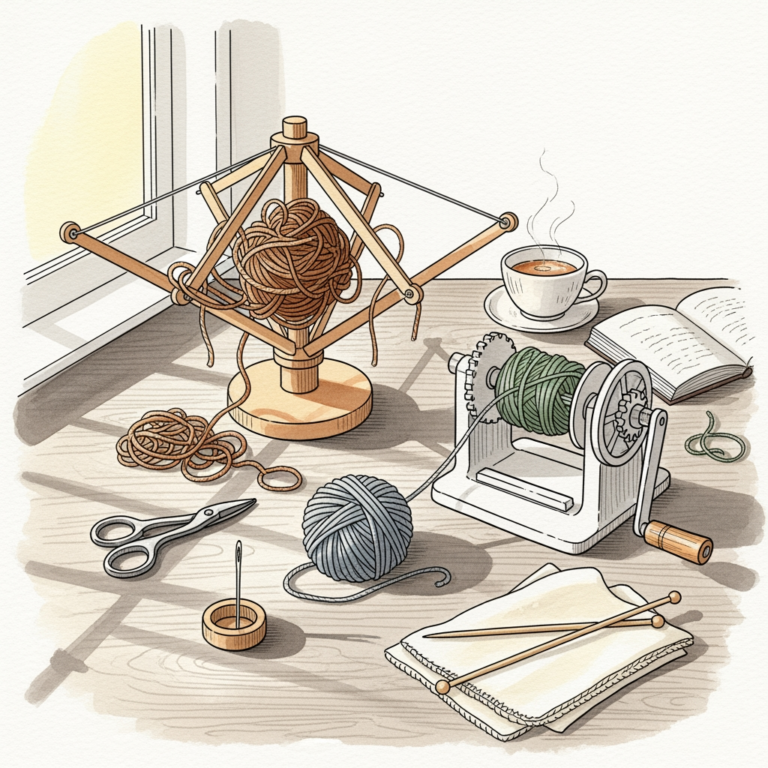
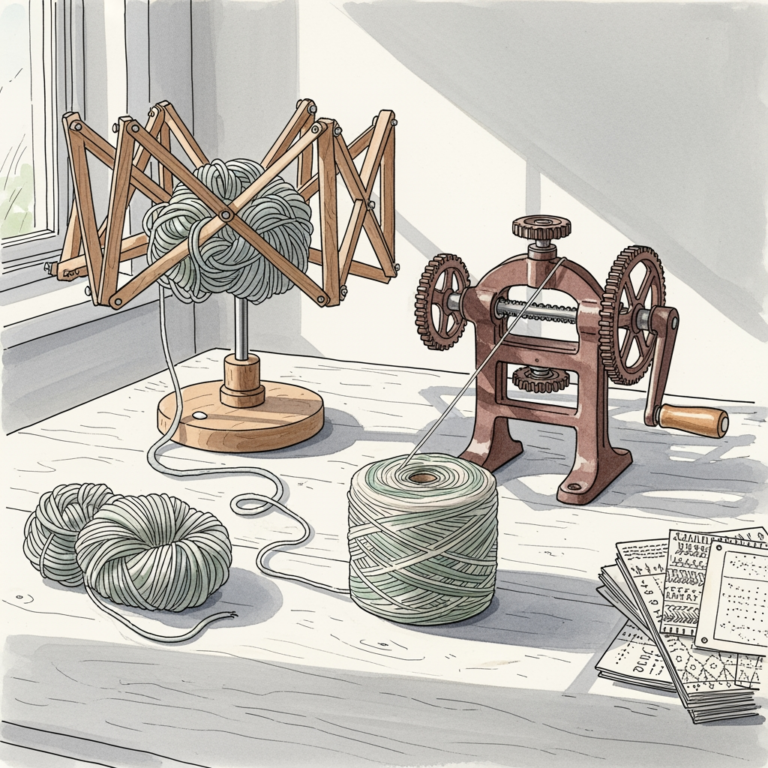
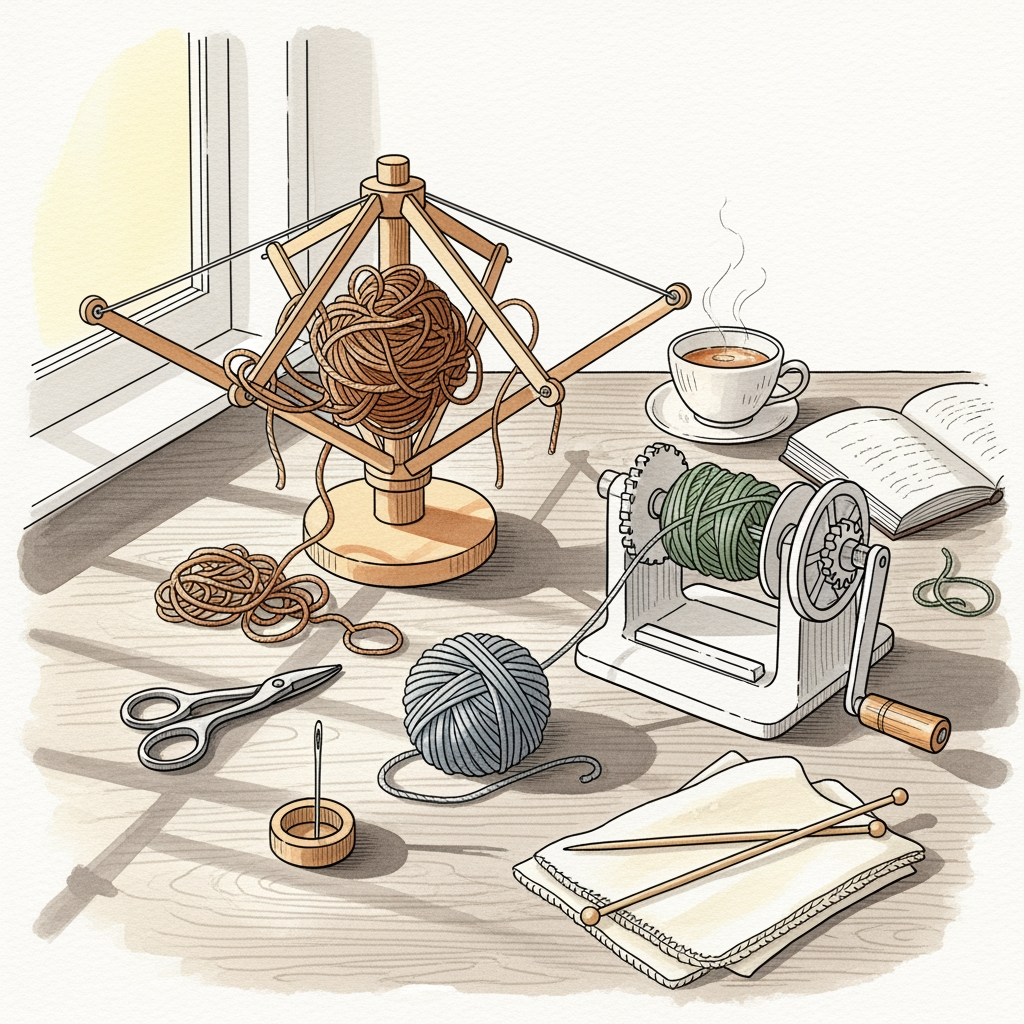
Every knitter eventually faces the frustration of a massive, hand-dyed skein collapsing off a standard swift during the winding process. Without proper vertical clearance, your yarn can snag, twist, or tumble onto the floor, leading to those dreaded tangles that take hours to untangle. Investing in a height extender transforms your winding station from a source of stress into a seamless part of your craft. These simple tools provide the necessary elevation to keep your yarn flowing smoothly from the swift to your ball winder.
Stanwood Needlecraft Wooden Swift Extender


The Stanwood extender is a masterclass in functional simplicity, designed specifically to integrate with their popular tabletop models. It provides just enough extra lift to accommodate those massive 200-gram skeins of bulky wool that usually rub against the base of a standard swift.
Because it is crafted from the same high-quality wood as the swift itself, the aesthetic remains consistent and professional. It doesn’t look like an afterthought; it looks like a deliberate upgrade for your fiber studio.
The primary benefit here is stability. By raising the center of gravity, it prevents the "wobble" that occurs when a heavy, unevenly wound skein puts too much torque on the central spindle.
Amish Style Wooden Swift Height Add-On Kit

Amish-style swifts are beloved for their rotating, umbrella-like movement, but they often sit quite low to the table. This add-on kit is essential if you find your skeins dragging on your winding surface.

These kits typically feature a modular design, allowing you to stack components to reach your desired height. This is a huge advantage if you switch between small lace-weight hanks and massive, lofty sweater-quantity skeins.
However, be mindful of the footprint. Adding height to an Amish swift can occasionally make the base feel slightly less secure, so ensure your table surface is level and free of debris.
Lacis Wooden Yarn Swift Riser Extension

Lacis is a brand that understands the precision required for fine fiber work. Their riser extension is built with tight tolerances, ensuring that your swift doesn’t develop a "lean" once the extension is installed.
If you are winding delicate fibers like silk or fine mohair, the last thing you want is a wobbly spindle causing uneven tension. This riser keeps the rotation axis perfectly vertical, which is critical for maintaining consistent WPI (Wraps Per Inch) during the winding process.
It is a straightforward, no-nonsense tool. It won’t win awards for flashiness, but it will keep your precious hand-dyed yarns from snagging on the base hardware.
KnitPal Swift Height Adjustment Adapter
The KnitPal adapter is often the go-to for knitters who prioritize ease of setup. It is designed to be highly compatible with a variety of swift brands, making it a versatile "universal" choice for those who might have inherited older, unbranded equipment.
The adjustment mechanism is intuitive, allowing for quick changes between projects. If you are winding a stash of different yarn weights, this speed is a significant quality-of-life improvement.
Just remember that universal fitment can sometimes lead to minor play in the connection. A quick wrap of masking tape around the joint can often eliminate any unwanted movement if you find it isn’t a factory-perfect fit.

Strauch Fiber Equipment Swift Riser Block
Strauch is known for heavy-duty, professional-grade equipment, and their riser block reflects that commitment to durability. This is not a flimsy plastic attachment; it is built to support the weight of heavy, multi-ply wools without bending or warping.
This is the ideal choice for the knitter who winds yarn constantly. If you are a prolific sweater knitter who goes through several skeins a week, the structural integrity of this riser will pay for itself in saved time and frustration.
It is an investment piece for your studio. While it costs more than a basic wooden peg, the peace of mind it provides during a high-speed winding session is worth every penny.
Ashford Wooden Swift Extension Spindles

Ashford’s extension spindles are designed with the classic "Ashford look" in mind, matching their iconic spinning wheels and weaving looms. They are highly functional and slide easily into existing hardware.
These are particularly useful for those using the traditional Ashford umbrella swift. They add just enough height to clear standard tabletop ball winders, preventing the yarn from rubbing against the winder’s plastic housing.
They are simple, elegant, and effective. If you already own Ashford tools, this is the most logical and aesthetically pleasing way to extend your setup.
Why Height Matters for Large Skein Winding
Height is the difference between a smooth winding experience and a tangling nightmare. When a skein is too close to the table, the yarn at the bottom of the swift often rubs against the base, creating friction that leads to uneven tension.
If your yarn is under uneven tension, your resulting yarn cake will be inconsistent. This can cause the yarn to "spit" or collapse when you pull from the center later, which is a major headache when you are trying to focus on your pattern’s cable repeats or lace charts.
- Proper clearance ensures a smooth, constant flow.
- Reduced friction protects delicate fibers like alpaca or cashmere.
- Better visibility allows you to spot potential tangles before they become knots.
How to Install Your Swift Height Extender
Installation is generally straightforward, but it requires a steady hand. Most extenders work by replacing the existing central spindle or by screwing into the base of the current unit.
Always ensure your swift is completely empty before attempting an installation. Working with a loaded swift is a recipe for a tangled disaster, as the slightest bump can cause the skein to drop.
- Step 1: Remove the existing spindle or locking nut.
- Step 2: Align the extension carefully to ensure it is perfectly vertical.
- Step 3: Tighten all fasteners until there is zero lateral movement.
Preventing Tangled Skeins with Proper Height
Even with a height extender, the way you place your skein on the swift matters. Always open your skein fully and find the two ties that hold the twist together before placing it on the swift.
Once the skein is on, ensure it is centered. If the skein is lopsided, even the tallest extender won’t stop it from rubbing against the base or catching on the arms.
- Check the arms: Make sure they are extended evenly.
- Test the rotation: Give it a gentle spin before attaching the yarn to the winder.
- Monitor the tension: If the yarn starts to sag, stop and adjust the swift’s width.
Troubleshooting Common Swift Setup Issues
The most common issue is a "leaning" swift, usually caused by an extender that isn’t seated deeply enough. If your swift leans, the yarn will naturally migrate toward the low side, creating tension spikes that can break fine, single-ply yarns.
Another issue is the "squeak." If your extender is wooden and rubs against the base, a tiny bit of paraffin wax can act as a lubricant to keep the rotation silent and smooth.
Finally, if your swift is still too low even with an extender, consider moving your ball winder to a slightly lower surface, like a sturdy footstool or a lower shelf, to create more vertical distance.
Finding the right height extender is a small but transformative step in your journey as a knitter. By eliminating the friction and instability that plague low-sitting swifts, you protect your yarn and preserve your patience for the actual knitting. Choose an extender that matches your equipment’s needs and enjoy the satisfaction of a perfectly wound cake every single time. Happy winding, and may your yarn always flow freely.