6 Best Loom Knitting Needles For Finishing Seams
Discover the 6 best loom knitting needles for seamless finishing. Learn how to choose the right tools to achieve professional, durable edges on your projects.
Finishing your loom-knitted project is the final step that transforms a simple tube of yarn into a professional-looking garment. Many beginners focus entirely on the loom and yarn, only to find that sewing seams is the most frustrating part of the process. Having the right tapestry needle can turn a tedious chore into a satisfying finish. Choosing the correct tool depends on your yarn weight, fiber content, and the specific tension of your stitches.
Clover Chibi Bent Tip Tapestry Needles: Best Overall


Clover Chibi needles are a staple in almost every experienced knitter’s notions bag for a good reason. The bent tip is a game-changer when you are trying to navigate through tight, loom-knitted stitches without splitting the yarn.
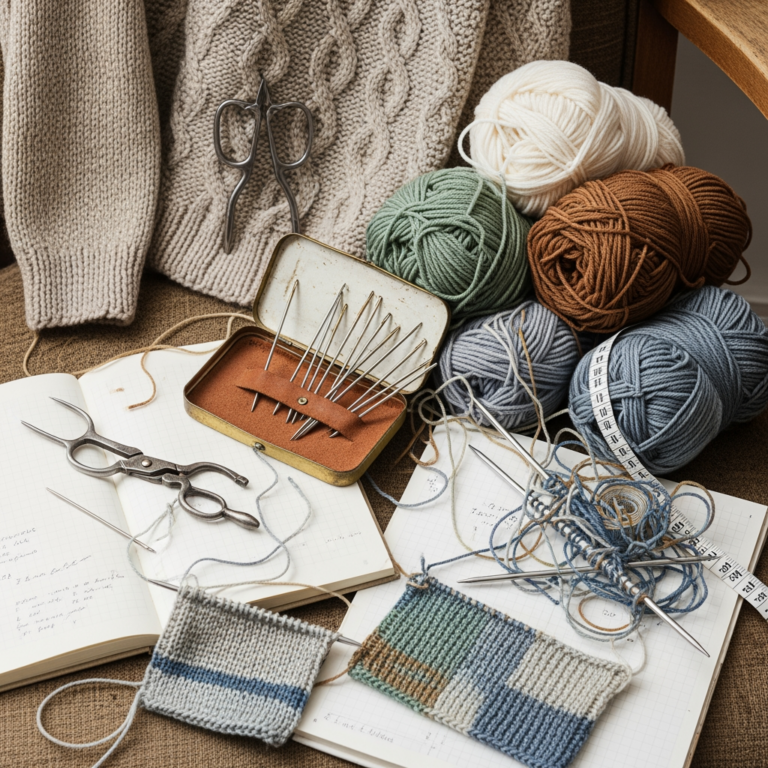
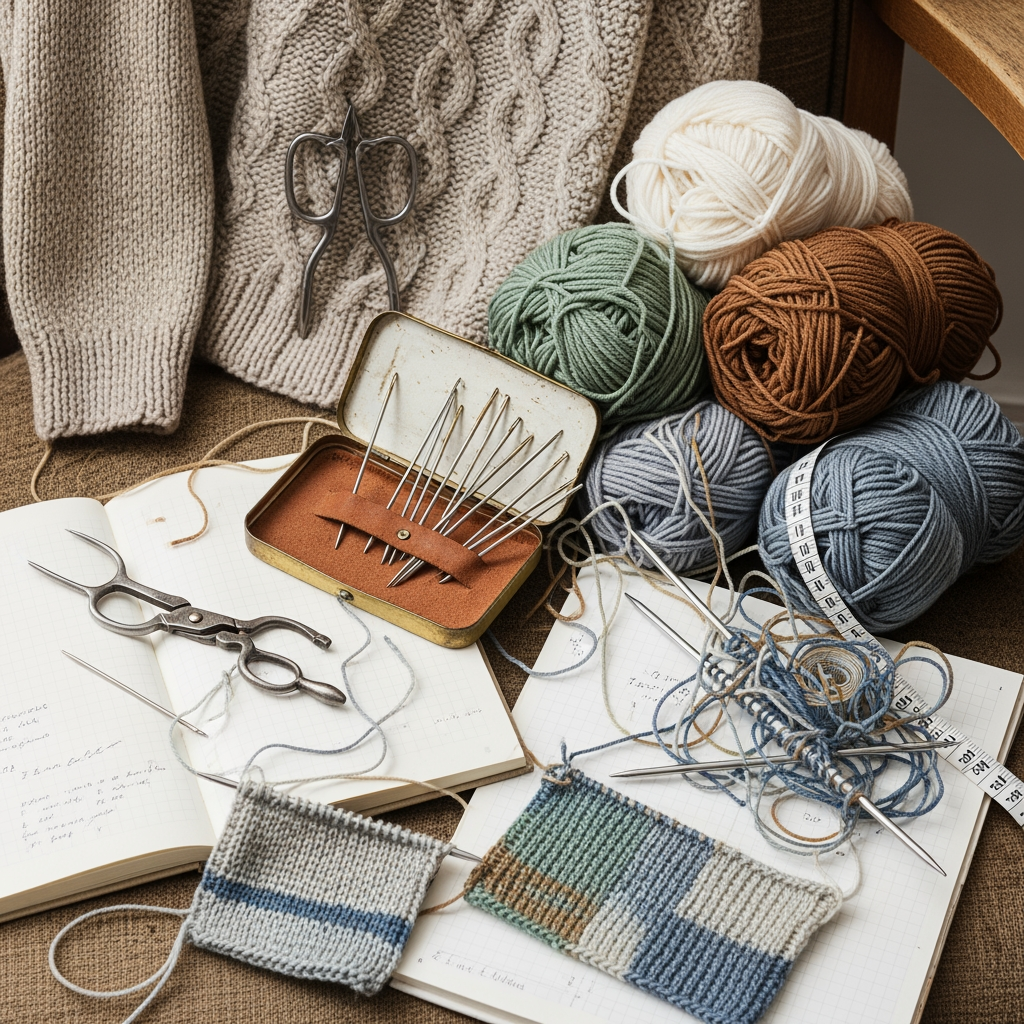
These needles are made from a high-quality, flexible steel that doesn’t bend out of shape during heavy-duty seaming. They come in a convenient carrying case, which is a massive plus since these small tools have a habit of disappearing into couch cushions.
The eye of the needle is large enough to accommodate most worsted and bulky weights comfortably. If you want one reliable set that handles 90% of your projects, this is the gold standard.
Dritz Yarn Darner Needles: Best Budget Option
If you are just starting your loom knitting journey, you don’t need to break the bank to get a functional tool. Dritz Yarn Darners are widely available and offer a straightforward, no-frills approach to finishing seams.
These needles are often sold in multi-packs, which is perfect for those of us who tend to lose our needles halfway through a project. While they lack the bent tip of premium options, their straight, blunt design is excellent for weaving in ends on flat panels.
The tradeoff here is the finish; they aren’t as slick as higher-end steel needles. You may find them a bit "grippy" with sticky wool fibers, but for the price, they are an essential backup to keep in your kit.
Susan Bates Finishing Needles: Best for Beginners
Susan Bates has been a trusted name in the craft world for decades, and their finishing needles are designed with accessibility in mind. They are typically made from a smooth, lightweight plastic or metal, making them very easy to handle for those still developing their dexterity.
The eyes are exceptionally large, which reduces the frustration of threading bulky yarn. For a beginner struggling with the mechanics of seaming, the less time spent wrestling with the needle eye, the better.
These needles are generally blunt, which helps prevent you from accidentally piercing the yarn plies while seaming. They are a forgiving entry point for anyone intimidated by the finishing process.
Tulip Tapestry Needles: Best for Delicate Yarns
When you move up to finer yarns or intricate lace-weight projects on a loom, a bulky needle will distort your fabric. Tulip needles are renowned for their incredibly smooth finish and precision-engineered points.
They glide through stitches with almost zero resistance, which is vital when working with delicate fibers like alpaca or silk. The metal is polished to a high sheen, ensuring it doesn’t snag on the halo of fuzzy yarns.
Because they are so refined, they are best reserved for your finer projects. If you use them on extremely abrasive, rustic wool, you might find the tips wear down faster than heavier-duty steel needles.
Knitter’s Pride Wool Needles: Best for Chunky Yarn
Working with super-bulky or jumbo yarn on a large-gauge loom requires a needle that can actually handle the volume. Knitter’s Pride wool needles are specifically designed to accommodate the thickest of yarns without forcing them through tight spaces.
These needles are often made from a smooth, polished wood or light metal, which feels great in the hand during a long finishing session. They are significantly thicker than standard tapestry needles, ensuring that your yarn isn’t crushed or stretched out of shape during the seaming process.
If you are making a chunky throw or a heavy cowl, using a standard needle will often result in a messy, uneven seam. These needles provide the structural support needed to keep your heavy-weight projects looking neat.
Boye Aluminum Finishing Needles: Best for Durability
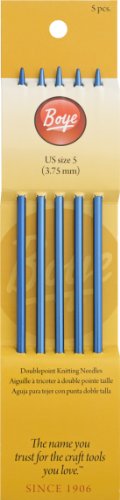
Boye aluminum needles are the "workhorses" of the knitting world. They are virtually indestructible, making them the perfect choice for makers who tend to be a bit rough on their tools.
The aluminum surface is naturally slick, which helps the needle pass through dense, tightly-knit seams with minimal effort. They are also rust-resistant, so you don’t have to worry if they happen to stay in a damp project bag for a few weeks.
While they aren’t as flexible as steel, they are rigid and sturdy. If you have a habit of pulling your seams very tight, these needles won’t bend or warp under the pressure.
Why Bent Tips Make Seaming Easier for Loom Knitters
Loom knitting creates a specific stitch structure that can be tricky to navigate with a straight needle. A bent tip allows you to "scoop" the stitch from underneath without having to pull the entire fabric away from the loom or turn it inside out.
This ergonomic design reduces wrist strain significantly. When you are seaming a long edge, the angle of the bent tip keeps your hand in a more natural position, preventing the cramping that often comes with repetitive motions.
It also allows for better visibility. You can see exactly which loop you are catching, which is essential for creating an invisible seam that blends perfectly into your knit fabric.
How to Choose the Right Needle Size for Your Project
The rule of thumb is to match your needle size to the weight of your yarn. A needle that is too thick will stretch your stitches, while a needle that is too thin will make it difficult to pull the yarn through cleanly.
- Lace/Fingering: Use a fine steel needle with a sharp or slightly rounded tip.
- Worsted/DK: A standard-sized bent tip needle is ideal.
- Bulky/Jumbo: Choose a large-eye, thick-gauge needle to avoid yarn breakage.
Always consider the fiber content as well. Slippery synthetic yarns might require a slightly grippier needle, while sticky, high-twist wools benefit from the slickest needle you have.
Essential Techniques for Invisible Loom Knit Seams
The secret to a professional seam is the "mattress stitch." By catching the horizontal bars between your edge stitches, you create a seam that mimics the look of a knitted column.
Always work with a length of yarn that isn’t too long to avoid tangling or fraying the yarn through repeated friction. If you are working with a delicate fiber, be gentle with your tension; you can always tighten the seam at the end, but you cannot easily "un-stretch" a distorted stitch.
Practice your seaming on a small swatch before finishing your main garment. This allows you to test your tension and ensure the needle you’ve chosen doesn’t snag the yarn plies.
Maintaining Your Finishing Tools for Longer Life
Even the best needles can suffer from neglect. Wipe your metal needles down with a soft cloth after use to remove any oils from your skin, which can cause oxidation over time.
Store your needles in a dry place to prevent rust, especially if you live in a humid climate. If you notice a burr or a rough spot on a metal needle, you can sometimes buff it out with a fine-grit emery board, but if the damage is deep, it is safer to replace it to avoid snagging your beautiful hand-knitted work.
Treat your needles as precision instruments. Keeping them organized in a dedicated case will save you hours of searching and ensure they remain in peak condition for years of projects.
Mastering the art of finishing is what separates a casual hobbyist from a confident maker. By selecting the right needle for your specific yarn and project, you ensure that your hard work on the loom is preserved in a clean, durable seam. Don’t be afraid to experiment with different materials and shapes until you find the tool that feels like an extension of your hand. Happy knitting, and may your seams always be invisible.