6 Best T-pins For Heavy Yarn Projects That Hold Fast
Discover the 6 best T-pins for heavy yarn projects. Learn which durable designs ensure your knit or crochet work stays securely pinned without slipping.
When you’ve spent weeks working with bulky wool or heavy cotton, the final step of blocking can feel like a high-stakes wrestling match. Standard sewing pins simply don’t have the girth or the structural integrity to anchor thick, saturated fabric to a blocking board. Choosing the right T-pin is the difference between a perfectly shaped heirloom and a distorted, sagging mess. These six options provide the anchoring power necessary to manage heavy-weight yarn projects with professional precision.
Clover T-Pins: The Gold Standard for Blocking


Clover T-pins are the first tool I reach for when I’m blocking a dense, cabled sweater. Their reputation is well-earned because they feature a consistent, smooth finish that glides through thick fibers without snagging or splitting the yarn ply.
The T-shaped head is exceptionally sturdy, allowing you to push them into dense foam mats without the head snapping off or bending. This is crucial when you are working with heavy, wet wool that exerts significant tension on the pin as it dries and contracts.
While they are a premium choice, the investment pays off in durability. You won’t find yourself replacing these after a few projects, as they maintain their shape even under the stress of heavy, water-logged garments.
Prym T-Pins: Exceptional Rust-Resistant Steel

If you frequently block projects using light-colored or delicate fibers, rust is your greatest enemy. Prym T-pins are engineered with a high-quality steel alloy that is specifically designed to resist oxidation when exposed to moisture.
I often recommend these for knitters working with expensive hand-dyed yarns or delicate protein fibers like alpaca. The last thing you want is a permanent rust stain on a piece that took you fifty hours to complete.
The gauge of the wire is slightly thinner than some "heavy-duty" options, but the steel is remarkably stiff. This makes them an excellent middle-ground choice for projects that have weight but require a finer touch to avoid distorting the stitch pattern.
Dritz Extra-Long T-Pins for Chunky Projects
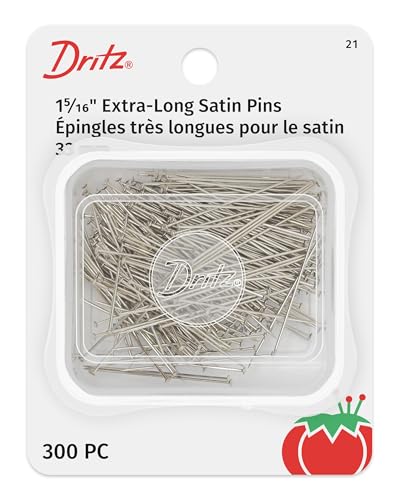
When you are working with super-bulky roving or triple-stranded yarns, standard pins often aren’t long enough to reach through the fabric and anchor firmly into the base. Dritz Extra-Long T-pins solve this by providing that extra reach needed for thick, lofty knits.
The added length allows you to angle the pin deeper into your blocking mat, creating a more secure hold. This is essential for heavy blankets or rugs that want to "creep" or pull away as they dry.
Be mindful, however, that these pins are thicker than standard versions. You must be careful to insert them between the stitches rather than through the yarn fibers themselves to avoid damaging your work.
Susan Bates T-Pins: Reliable Heavy-Duty Hold
Susan Bates has been a staple in knitting bags for decades, and their T-pins are a testament to that legacy of utility. These pins are known for their no-nonsense, functional design that prioritizes grip over aesthetics.
The heads are generously sized, making them easy to manipulate even if you have limited dexterity or tired hands after a long knitting session. They provide a very firm hold, which is exactly what you need for stiff, structured pieces like felted bags or heavy wool jackets.
They are a workhorse tool. While they may not have the refined finish of more expensive brands, they are incredibly reliable and perfect for the knitter who wants a straightforward solution that just works.
Lacis Stainless Steel T-Pins for Large Knits
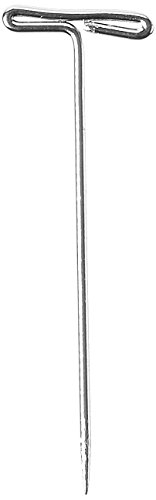
Lacis is a brand that understands the needs of professional fiber artists, and their stainless steel T-pins are built to withstand heavy-duty use. Stainless steel is the gold standard for blocking because it is naturally impervious to the moisture involved in wet-blocking.
These pins are incredibly rigid, which is a major benefit when you are blocking a large, heavy item that requires a lot of tension. They won’t bend or warp, ensuring that your edges remain crisp and straight throughout the entire drying process.
Because they are high-quality stainless steel, they are a bit more expensive than nickel-plated alternatives. However, for a serious knitter, the peace of mind they provide regarding rust and durability is well worth the cost.
Boye T-Pins: The Classic Choice for Stability
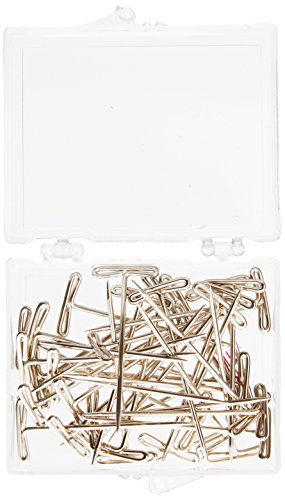
Boye T-pins are a classic for a reason: they offer a balanced, reliable performance that satisfies most knitting needs. They are widely available and provide a solid, secure hold for medium-to-heavy weight yarns.
The T-bar is well-attached to the shaft, which is the most common point of failure for cheaper pins. You can press down on these with confidence, knowing the head isn’t going to pop off or rotate while you are trying to tension your fabric.
If you are a beginner or someone who likes to keep a large stash of pins on hand for multiple projects, these represent the best value. They bridge the gap between hobbyist tools and professional equipment perfectly.
Why T-Pins Outperform Standard Sewing Pins
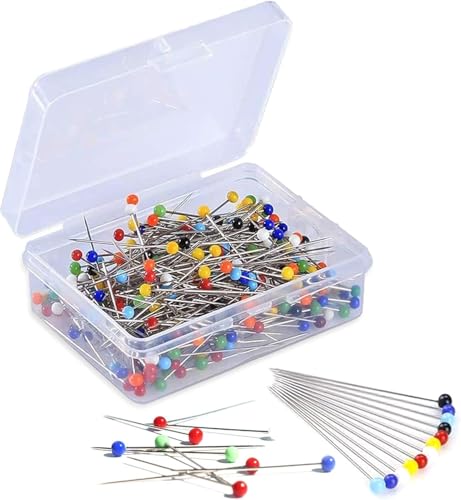
Standard sewing pins are designed for two-dimensional fabric, not the three-dimensional, high-tension world of knitting. When you pin a heavy, wet sweater, a standard pin will often bend under the weight, failing to hold your desired shape.
T-pins offer a much larger surface area at the head, which acts as a stop to keep the yarn from sliding off. This is essential when you are blocking lace or cables that need to be held under constant, even tension to pop properly.
Furthermore, the shank of a T-pin is significantly thicker and stronger. This prevents the "bowing" effect that occurs when a heavy piece of fabric pulls against a thin, flimsy pin.
Essential Blocking Techniques for Heavy Yarns
When blocking heavy yarn, the weight of the water is your biggest challenge. Always support the garment from underneath while moving it to your blocking surface to prevent the weight of the water from stretching the stitches out of proportion.
Use a "pin-and-check" method: pin the corners and center points first, then work your way out to the edges. This ensures the weight is distributed evenly across the pins rather than concentrating all the tension on a single point.
- Pro Tip: If your project is exceptionally heavy, double up your pins in high-tension areas.
- Avoid Over-stretching: Heavy yarns have a lot of "memory," but if you pull them too hard while wet, you can permanently alter the drape.
Caring for Your Pins to Prevent Fabric Stains
Even the best stainless steel pins can benefit from proper care. After every blocking session, wipe your pins down with a soft, dry cloth to remove any residual moisture or yarn oils before storing them.
If you notice a pin starting to show signs of oxidation or a rough spot on the tip, retire it immediately. A rough tip can catch and pull a fiber, potentially ruining a perfectly blocked garment.
Store your pins in a dry, airtight container. Adding a small packet of silica gel to your pin tin can work wonders in preventing rust, especially if you live in a humid climate.
Troubleshooting Common Blocking Pin Issues
If your pins keep popping out of your blocking mat, you are likely using a mat that is too soft or your pins are too short. Consider upgrading to a denser foam mat that provides more resistance to the pin shank.
Are your stitches getting distorted? You might be inserting the pin through the yarn ply instead of through the gap between stitches. Always aim for the "negative space" in your knitting to maintain the integrity of the fabric.
Finally, if you find that you are constantly running out of pins, don’t try to stretch your project further than your current supply allows. It is better to block in sections than to have a project held together by a prayer and a shortage of hardware.
Investing in high-quality T-pins is an investment in the longevity and professional look of your finished knitwear. While the variety of options might seem overwhelming, focusing on rust-resistance, shank thickness, and head stability will lead you to the right choice for your specific project. Take the time to pin correctly, and your heavy-weight projects will reward you with the shape and drape they deserve. Happy blocking, and may your edges always be straight.