6 Best Nonslip Pads For Stable Winding To Try
Discover the top 6 nonslip pads for stable winding. Our guide evaluates durability and grip to help you secure your materials with ease and precision today.
We’ve all been there: you’re halfway through winding a precious skein of hand-dyed wool when your ball winder starts "walking" across the table. That rhythmic vibration isn’t just annoying; it creates uneven tension that can ruin the loft of your yarn. A stable base is the unsung hero of a perfectly wound cake. Here are the best nonslip solutions to keep your winding station anchored and your yarn pristine.
Stanwood Needlecraft Rubber Mat: Best Overall Choice
When you invest in a quality yarn winder, you need a surface that respects the mechanics of the machine. The Stanwood rubber mat is designed specifically for the weight and vibration patterns of high-end winders.
It provides a dense, shock-absorbing layer that effectively dampens the mechanical rattle. Unlike thin shelf liners, this mat has enough heft to stay put even when you are winding a heavy, 200-gram hank of worsted weight wool.
The trade-off here is the footprint; it is a dedicated tool rather than a multi-purpose household item. However, for those who wind yarn regularly, the consistent stability it provides is well worth the dedicated space on your craft desk.
Gorilla Grip Silicone Pad for Yarn Ball Winders
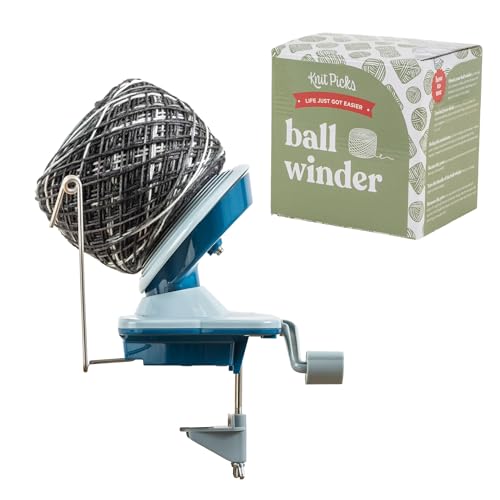

Silicone is a knitter’s best friend because of its incredible coefficient of friction. The Gorilla Grip pad excels because it creates a near-vacuum seal against smooth surfaces like glass or finished wood tables.
If you are winding slippery fibers like silk or bamboo blends, you know that even the slightest shift in the winder can cause the yarn to snag or tangle. This pad prevents that "micro-creep" that ruins your winding flow.
Be mindful that silicone can occasionally leave a residue on certain delicate wood finishes over long periods. I recommend wiping your table down with a dry cloth before and after use to keep the grip at maximum strength.
Con-Tact Brand Non-Adhesive Grip Shelf Liner

Many knitters reach for shelf liner because it is inexpensive and accessible. The Con-Tact brand is a staple for a reason: it offers a "honeycomb" texture that provides excellent lateral resistance.
This is a fantastic option if you are a beginner who isn’t ready to invest in specialized equipment. It is lightweight, easy to trim to size, and can be tucked away in a project bag when you are done winding.
The downside is that it lacks the density to absorb deep vibrations from metal-geared winders. If you find your winder is still wobbling, try folding the liner into a double layer to increase the cushioning effect.
Dritz Sewing Room Non-Slip Gripper Fabric

Dritz produces a rubberized fabric often used in sewing to keep patterns from shifting, and it works surprisingly well for yarn winding. It is much thinner than a rubber mat but offers a very high-tack surface.
This is ideal for knitters with limited storage space who need a "set it and forget it" solution. You can simply lay it down, clamp your winder over it, and trust that the fabric will do the heavy lifting.
Because it is a fabric-based material, it can accumulate dust and lint over time, which reduces its grip. A quick rinse with warm water and mild soap will refresh the tackiness, making it a sustainable choice for your stash.
Duck Brand Select Grip Easy Liner for Tables

Duck Brand liner is a heavy-duty alternative to standard shelf liners. It features a thicker, more cushioned construction that feels more substantial under the pressure of a clamp-style winder.
If you are winding high-twist yarns that require a faster cranking speed, this liner provides the necessary buffer. It prevents the vibration from traveling through the table, which in turn keeps your yarn tension consistent.

The key to using this effectively is ensuring your table surface is clean. Even the best grip liner will slide if there is a layer of pet hair or dust between the liner and the tabletop.
Shelf-Grip Premium Silicone Anti-Slip Sheet
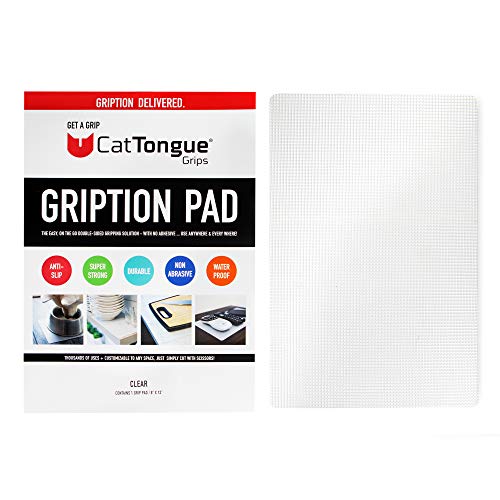
This premium silicone sheet is the "gold standard" for those who want a sleek, professional look. It is often thicker and more durable than standard shelf liners, resisting tears from the metal clamps of your winder.
It is particularly effective for knitters who use heavy-duty, large-capacity ball winders. The material is dense enough to absorb the torque generated when winding large cakes of bulky or super-bulky yarn.
While it is a bit more expensive, it is essentially indestructible under normal crafting conditions. It is a one-time purchase that will likely outlast the plastic gears on your winder.
Why Table Stability Matters for Yarn Winding
Stability is not just about keeping the machine in one spot; it is about the physics of the yarn itself. When a winder vibrates, it introduces micro-fluctuations in tension that you cannot see but will definitely feel later.
If your winder shifts, the yarn may wind onto the cone at an angle, leading to a "collapsed" cake. A collapsed cake is a nightmare to knit from because the yarn will pull from the center in clumps rather than a smooth, constant stream.
Furthermore, constant vibration can loosen the clamp on your winder over time. This leads to a dangerous cycle where the winder slowly detaches, potentially falling off the table and damaging your equipment or, worse, your yarn.
How to Properly Secure Your Ball Winder Base
The most common mistake I see is clamping the winder to a surface that is too thick or too thin for the clamp’s reach. Always ensure the clamp is tightened flush against the table edge.
If your table has a decorative edge or a beveled lip, the clamp will never sit flat. In these cases, you must use a small piece of wood or a thick book to create a level platform for the clamp to grip.
Always give the winder a firm "tug test" before you start winding. If it moves even a fraction of an inch, your yarn will eventually pay the price in uneven tension.
Troubleshooting Common Yarn Winding Vibrations
If your winder is vibrating excessively, check the alignment of the yarn guide arm first. If the arm is not fully extended or is slightly bent, it creates an uneven pull that shakes the entire unit.
Another culprit is the speed of your cranking. We all want to finish winding quickly, but rapid, jerky movements cause the winder to bounce. Maintain a steady, rhythmic pace to keep the internal gears happy.
Finally, check the surface you are winding on. If you are using a lightweight folding table, it will act like a drum and amplify every vibration. Moving to a solid, heavy wooden desk can solve many stability issues instantly.
Essential Tips for Winding Cakes Without Snags
Always wind from a swift or a chair back, never directly from a loose pile. If the yarn is not feeding freely, you will be fighting against the yarn’s own resistance, which leads to tight, "strangled" cakes.
Watch your tension as you feed the yarn through the guide. If you hold the yarn too tightly, you will stretch the fibers; this is especially dangerous for elastic fibers like wool or nylon blends, as they will "snap back" and lose their loft.
Finally, leave a little "tail" at the end of the cake. Tucking the end securely into the center of the cake prevents the whole thing from unraveling while it sits in your project basket.
Finding the right nonslip pad is a small investment that pays massive dividends in the quality of your knitting. By stabilizing your winder, you ensure that every yard of yarn maintains its original integrity and bounce. Take the time to anchor your station properly, and your future self will thank you when you’re pulling a perfect, snag-free strand from the center of your cake. Happy winding, and may your tension always be even.