7 Best Yarn Storage Boxes for Moisture Protection
Protect your yarn from humidity with these 7 storage boxes. Learn which materials offer the best moisture resistance to keep your fibers pristine and dry.
Every knitter eventually reaches the point where their yarn stash outgrows their available shelf space and becomes a target for environmental damage. Protecting your precious collection of hand-dyed wools and luxury blends from humidity is as important as choosing the right needle size for your gauge. A single season of damp storage can lead to irreversible mildew, rendering months of careful budgeting and curation useless. These storage solutions are selected to ensure your fiber stays pristine until the moment you cast on your next masterpiece.
The IRIS USA Weathertight Tote: Best Overall Pick
The IRIS USA Weathertight Tote is the industry standard for a reason: it balances a robust silicone seal with a clear, durable plastic body. When you have invested hundreds of dollars into premium merino or cashmere, you need a container that won’t warp under the weight of a heavy stash.
These totes feature reinforced latches that snap down firmly, compressing the seal against the lid. This creates a genuine barrier against the ambient humidity that causes natural fibers to felt or smell musty.
If you are storing your stash in a basement or garage, this is your best defense. The weathertight seal is the standout feature here, providing peace of mind that your yarn won’t absorb moisture from the air during humid summer months.
Sterilite Gasket Box: Best Value for Money
If you have a growing stash but don’t want to break the bank, the Sterilite Gasket Box is a reliable, budget-friendly workhorse. It uses a silicone gasket to keep the environment inside controlled, which is crucial for preventing the rapid degradation of protein fibers.
While the plastic is slightly thinner than premium alternatives, it is perfectly adequate for climate-controlled indoor storage. The latches are secure enough to keep out dust and silverfish, which are common pests that thrive in dark, undisturbed corners of a yarn stash.
For the knitter who needs to organize by color or weight without spending a fortune, these boxes are ideal. Just be mindful not to overstuff them, as the latches can become brittle if they are under constant, extreme pressure.
Container Store Weathertight Bin: Best Seal


The Container Store’s branded Weathertight Bin offers a level of precision engineering that sets it apart for serious collectors. The seal is exceptionally tight, making it the top choice for long-term storage of rare, heirloom-quality yarns that you aren’t planning to use for years.
The walls of these bins are impressively rigid, meaning they won’t bow or crack when stacked. If you are storing delicate fibers like silk or angora, which are particularly susceptible to environmental shifts, this bin provides the most stable micro-climate.
The upfront cost is higher, but you are paying for the longevity of your investment. It is the perfect choice for the knitter who treats their yarn collection like a curated library.
Rubbermaid Cleverstore Clear: Best Visibility
Rubbermaid’s Cleverstore line is designed for the knitter who needs to see exactly what they have at a glance. The clarity of the plastic is superior, allowing you to identify a specific skein of fingering weight wool without having to unstack and open every single bin.
While it lacks the heavy-duty gasket seal of the IRIS or Container Store options, it features a unique lid design that fits snugly and keeps out dust and light. For yarns stored in a closet or a dedicated craft room, this level of protection is usually sufficient.
If your stash is constantly evolving and you find yourself moving skeins between projects, the ease of access here is a major benefit. It turns your stash into a visual display rather than a hidden, forgotten pile.
Ezy Storage IP67 Waterproof Box: Best Durability

When you need absolute, industrial-grade protection, the Ezy Storage IP67 box is the gold standard. The IP67 rating means it is technically dust-tight and capable of withstanding water immersion, which is overkill for a living room but perfect for high-risk storage areas.
The latches are heavy-duty and the plastic is incredibly impact-resistant. If you have to transport your yarn for retreats or moves, this box will survive the journey without compromising the integrity of your fibers.
This is an excellent option for storing spinning fiber or unspun roving, which are even more prone to moisture damage than spun yarn. It is a heavy investment, but it is effectively indestructible.
Really Useful Box 35L: Best Stackable Choice

Really Useful Boxes are famous among crafters for their modular, uniform design. They are built to stack perfectly, making them the best choice for maximizing vertical space in a small apartment or a cramped craft corner.
The plastic is extremely tough and the lids lock down with a satisfying, secure click. While they don’t have a rubber gasket, the precision of the fit is tight enough to prevent most moisture and pest intrusion in a standard home environment.
Their rectangular shape is ideal for standard 100g skeins, allowing you to organize your stash in neat rows. If you are a knitter who loves an orderly, uniform aesthetic, these are hard to beat.
Ziploc WeatherShield Storage: Best for Small Stash
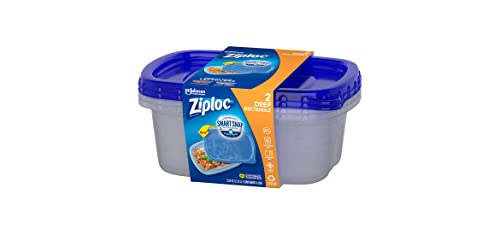
The Ziploc WeatherShield boxes are designed specifically to address the needs of those with smaller, more manageable collections. They feature a foam seal that provides a solid barrier against moisture and air, which is more than enough for a modest stash of sock yarn or seasonal favorites.

These are smaller and easier to handle than the massive industrial totes, making them perfect for tucking under a bed or on a high shelf. They provide the same "weathertight" technology as larger bins but in a footprint that doesn’t overwhelm a small space.
For the beginner knitter who is just starting to build their collection, these are the perfect entry point. They offer professional-level protection without requiring a massive storage footprint.
Why Moisture Protection Is Vital for Natural Fibers
Natural fibers, particularly animal proteins like wool, alpaca, and mohair, are hygroscopic, meaning they naturally absorb moisture from the air. In high humidity, these fibers can swell, lose their structural integrity, and become a breeding ground for mold and mildew.
- Wool: Susceptible to mold if stored damp; fibers can begin to felt if humidity levels fluctuate wildly.
- Silk: Can lose its natural luster and become brittle when exposed to prolonged dampness.
- Plant fibers (Cotton/Linen): While more resistant to mold than wool, they can still develop dark, permanent spots if kept in a wet environment.
Preventing this isn’t just about keeping the yarn "dry"; it’s about keeping the moisture content stable. Even if you don’t live in a humid climate, seasonal changes can cause fibers to expand and contract, which weakens the twist over time.
Essential Tips for Preventing Mold in Yarn Storage
Even the best box won’t help if you trap moisture inside during the packing process. Always ensure your yarn is completely dry and at room temperature before sealing it away, as even a slightly damp skein can ruin an entire bin.
- Use Desiccants: Place silica gel packets inside every bin to absorb any residual moisture.
- Avoid Basements/Attics: These areas have the most extreme temperature and humidity fluctuations.
- Check Regularly: Once every few months, open your bins to let the air circulate and inspect for any signs of moisture or pests.
Never store yarn in plastic bags inside a bin unless they are acid-free, as standard plastic can trap gases that may discolor natural fibers. A little bit of airflow and a stable environment are your best allies against degradation.
How to Properly Organize Your Yarn for Long Storage
Organization is the key to actually using the yarn you store. I recommend sorting by weight—grouping your fingering, DK, and worsted yarns separately—so you can quickly find what you need for a specific pattern.
If you are storing hand-dyed yarn, keep it away from direct sunlight, which can cause colors to fade over time. Using clear bins helps, but try to store them in a closet or behind a curtain if your storage area gets bright natural light.
Finally, label your bins with the fiber content and weight so you don’t have to guess when you’re ready to start a new project. A well-organized stash is a well-loved stash, and you’re much more likely to knit from your collection if you know exactly what is available to you.
Investing in quality storage is not just an organizational chore; it is an act of respect for the time and money you have poured into your craft. By choosing the right bin, you ensure that your next project begins with pristine, healthy fiber rather than damaged, musty leftovers. Take the time to secure your stash today, and your future self will thank you when you reach for that perfect skein. Happy knitting, and may your stash remain forever mold-free.