6 Best Long Loom Sets For Scarf Knitting Worth Using
Discover the 6 best long loom sets for scarf knitting. This guide evaluates durability and ease of use to help you choose the perfect tool for your projects.
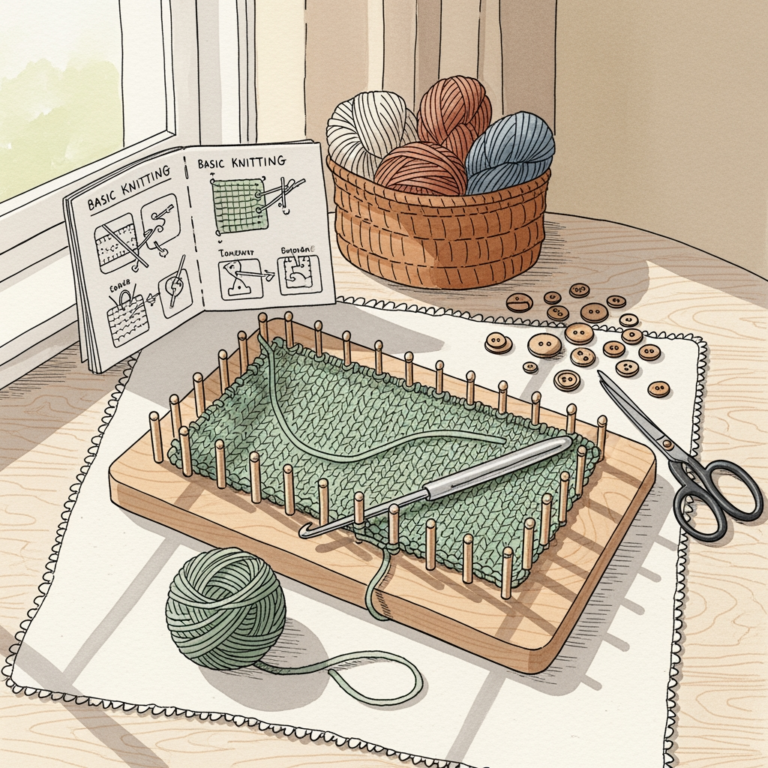
Finding the right loom can transform the sometimes tedious process of scarf making into a rhythmic, meditative experience. Whether you are a complete novice or a seasoned maker looking to speed up your production, the tool you choose dictates your stitch definition and overall comfort. A high-quality loom is more than just plastic or wood; it is the foundation of your fabric’s tension and drape. This guide explores the best long looms on the market to help you find the perfect match for your fiber stash.
KB Premium Round and Long Loom Set: Best Overall


The KB Premium set is the gold standard for those who want versatility without sacrificing build quality. These looms feature a sturdy construction that resists bowing under the tension of heavier yarns, which is a common frustration with cheaper alternatives.
The pegs are shaped with a distinct "head" that keeps your working yarn from slipping off unexpectedly. This is a lifesaver when you are working on a complex stitch pattern or using a slippery alpaca blend that tends to migrate off the loom.
Ultimately, this set is the most reliable choice for a knitter who wants to tackle everything from lightweight scarves to chunky cowls. You are paying for consistency, which saves you from the headache of uneven tension across your rows.
Boye 4-Piece Long Loom Set: Best for Beginners

If you are just starting your journey, the Boye set offers a gentle learning curve and a very approachable price point. These looms are lightweight and easy to hold in your lap for extended periods, making them ideal for long knitting sessions while watching television.
The pegs are spaced in a way that works beautifully with standard worsted weight yarn, which is the most common weight you will find in your local craft store. It removes the guesswork from choosing your materials, allowing you to focus on mastering the e-wrap or the flat knit stitch.
While these looms are not designed for heavy-duty, high-tension projects, they are perfect for learning the mechanics of loom knitting. Once you outgrow them, they remain excellent tools for quick gift-making or teaching a friend how to cast on.
Darice Knitting Loom Set: Best Budget Pick
The Darice set is a functional, no-frills option that proves you don’t need to spend a fortune to create a beautiful, warm scarf. These looms are straightforward and durable enough for basic projects, making them a great choice for stocking up your craft room.
Because the plastic is slightly more flexible than professional-grade boards, you should avoid using extremely high-tension techniques or very thick, unyielding wools. They excel when used with soft, acrylic-blend yarns that have a bit of natural give.
If you are a knitter on a budget or looking for a set to keep in your travel bag, this is a solid investment. It provides the essential functionality required to get the job done without any unnecessary bells and whistles.
Loops & Threads Long Loom: Best for Bulk Projects
When you are aiming to knit a dozen scarves for a craft fair or holiday gifts, the Loops & Threads system is a workhorse. These looms are often designed with a larger footprint, allowing you to knit wider fabric panels without needing to join pieces together later.
The peg configuration is particularly well-suited for bulkier, "super chunky" yarns that work up quickly. If you love the look of oversized, squishy scarves that feel like a warm hug, this loom will help you achieve that aesthetic with minimal effort.
Be mindful that because these looms are larger, they can be a bit cumbersome to maneuver if you have limited workspace. However, for sheer production speed and project size, they are hard to beat.
Authentic Knitting Board Set: Best Professional
For the knitter who demands precision and longevity, the Authentic Knitting Board set offers a level of quality that feels substantial in the hands. These are often made with higher-density materials that prevent the "peg-pop" or warping that can plague lesser looms.
The spacing and alignment on these boards are incredibly accurate, which leads to a much more uniform stitch gauge throughout your entire scarf. If you are a perfectionist who obsesses over even tension, this is the tool that will satisfy your standards.
While these are a larger financial commitment, they are a "buy it once" tool. They are designed to withstand years of heavy use, making them a wise choice for the serious hobbyist or the professional maker.
Lion Brand Yarn DIY Loom: Best for Thick Yarns

The Lion Brand DIY loom is specifically engineered to handle the massive, roving-style yarns that have become so popular in modern home decor and winter accessories. The pegs are spaced widely to accommodate these thick fibers, preventing the fabric from becoming too stiff or dense.
Knitting with thick yarn can be physically taxing, but this loom makes the process surprisingly ergonomic. It allows the yarn to glide over the pegs easily, reducing the strain on your wrists and hands.
If your goal is to knit a trendy, oversized scarf that works up in a single evening, look no further. It is a specialized tool that excels at exactly what it was designed to do: making big, chunky knitting accessible.
Essential Factors for Choosing Your First Loom
When selecting a loom, your primary consideration should be the weight of the yarn you intend to use most often. A loom with narrow peg spacing will struggle with thick, bulky yarn, while a wide-spaced loom will create a loose, holey fabric if you use thin, fingering-weight yarn.
- Portability: Do you knit on the go? Smaller, lighter looms are better for travel.
- Sturdiness: Will you be using high-tension stitches? Look for reinforced frames.
- Peg Count: More pegs allow for wider scarves or more complex stitch patterns.
Don’t be swayed by the number of accessories included in a set. A high-quality loom with a simple hook is always better than a cheap set filled with plastic needles you will never use.
Understanding Peg Spacing and Gauge for Scarves
Peg spacing, often referred to as "gauge" in the loom knitting world, determines the density of your finished fabric. If you want a scarf that is wind-resistant and dense, you need a loom with tighter peg spacing.
For a scarf with a lovely, soft drape, you want a slightly wider spacing relative to the thickness of your yarn. A good rule of thumb is to wrap your yarn around a ruler; if it wraps comfortably without overlapping, it will likely work well on a standard-gauge loom.
Always knit a small swatch before starting your full-length scarf. It is far better to spend thirty minutes testing your tension than to unravel five feet of knitting because the fabric is too stiff or too loose.
Plastic vs Wooden Looms: Which Should You Buy?
Plastic looms are the industry standard for a reason: they are affordable, lightweight, and smooth. They are excellent for beginners because they are easy to clean and won’t snag delicate fibers like mohair or silk.
Wooden looms offer a more tactile, premium experience and are often more stable, which is a benefit when working with heavy projects. However, they require more care; you must ensure the wood is perfectly smooth to prevent snagging your yarn.
Ultimately, the best material is the one that feels good in your hands. If you are prone to dropping your tools, a durable plastic loom will survive the fall, whereas a wooden one might splinter or crack.
Tips for Maintaining Your Loom Pegs and Tools
Your loom is a precision tool, and keeping the pegs smooth is vital for a snag-free experience. Over time, friction from the yarn can create small burrs on plastic pegs, which will catch your fiber and cause frustration.
If you notice a rough spot, a very fine-grit sanding sponge or a little bit of high-grit sandpaper can smooth it out instantly. For wooden looms, a light coat of wax can keep the surface slick and protected from moisture.

- Clean regularly: Dust and fiber buildup can affect your tension.
- Store properly: Keep your looms in a cool, dry place to prevent warping.
- Check your hook: The hook is your most important tool; replace it if the tip becomes dull or bent.
Choosing the right loom is an investment in your creative process, ensuring that your scarf-making remains a joy rather than a chore. By considering your preferred yarn weight and project goals, you can select a tool that will last for years to come. Remember that every knitter develops their own unique tension, so don’t be afraid to experiment with different looms until you find your perfect match. Happy knitting, and enjoy the rhythm of your next project.