6 Best Tape Measures For Checking Dimensions To Own
Precision is vital for any project. We review the six best tape measures, highlighting key features like durability and accuracy to help you choose the right one.
Whether you are measuring a swatch to calculate your gauge or checking the length of a sleeve during a fitting, a reliable tape measure is the most vital tool in your knitting bag. Cheap, flimsy tapes can stretch over time, leading to disastrous sizing errors that only reveal themselves after hours of work. Investing in a high-quality measuring tool ensures your hard-earned stitches translate into a garment that actually fits. Here are the six best options to keep your projects on track and perfectly sized.
Clover Retractable Tape Measure: Best Overall


The Clover retractable tape is a staple in my knitting bag because of its consistent, reliable retraction mechanism. There is nothing more frustrating than a tape that jams halfway through a measurement, forcing you to wiggle it free while holding your live stitches.
Its fiberglass construction is the gold standard for fiber arts because it resists stretching. Unlike cheap plastic tapes that can elongate after a few months of use, this material remains true to its original length.
The compact, circular housing fits perfectly in the palm of your hand, making it ideal for quick measurements on the go. It is my top recommendation for knitters who want a "buy it once" tool that survives years of heavy use.
Hemline 150cm Tailor Tape: Best Budget Pick

If you are a beginner just starting your journey, you don’t need a fancy gadget to get started. The Hemline tailor tape provides a straightforward, no-frills experience that gets the job done without breaking the bank.
These tapes are lightweight and flexible, making them excellent for wrapping around curved areas like a sweater’s armscye or a neckline. Because they are so thin, they lay perfectly flat against your knitted fabric, preventing the "arching" that can lead to inaccurate readings.
Keep in mind that these basic tapes lack a retraction mechanism, so you will need to coil them manually. If you tend to lose your tools, buying a few of these to stash in different project bags is a smart, low-cost strategy.
Singer Professional Fiberglass Tape: Best Value

Singer’s professional tape strikes a balance between durability and affordability that is hard to beat. The markings are printed with high contrast, which is a lifesaver when you are measuring dark-colored wool or mohair in low light.
Fiberglass is again the secret ingredient here, ensuring the tape doesn’t warp when you pull it taut against a garment. When you are blocking a finished piece, you often need to stretch the fabric to its final dimensions; this tape holds up to that tension without distorting.
It is a sturdy, workhorse tool that feels substantial in the hand. For the price, it offers a level of professional-grade reliability that makes it a favorite for intermediate knitters building out their tool kits.
Dritz Ezy-Check 60-Inch Tape: Best for Accuracy

Accuracy is the difference between a sweater you wear every day and one that sits in the back of your closet. The Dritz Ezy-Check features bold, easy-to-read increments that minimize the risk of misreading a measurement by a quarter-inch.
This tape is designed specifically for those who need to verify their gauge frequently. If you are knitting a complex lace project where every stitch counts, the precision of these markings provides significant peace of mind.
The tape is slightly thicker than others, which helps it remain stable during measurement. It is an excellent choice for the detail-oriented knitter who wants to ensure their final dimensions match their pattern schematics exactly.
Prym Ergonomics Tape Measure: Best Design Choice

The Prym Ergonomics line is clearly designed by people who understand the physical realities of crafting. The housing is shaped to be comfortable to hold, and the tape itself is engineered to pull out and retract with minimal friction.
What sets this apart is the locking mechanism, which holds the tape in place at your desired length. When you are measuring a long garment alone, you don’t have to worry about the tape snapping back while you are still checking the hem.
It is a premium choice, but the tactile experience is superior to almost anything else on the market. If you suffer from hand fatigue or have trouble with manual dexterity, this ergonomic design is a game-changer.
Westcott Flexible Sewing Tape: Best Durability
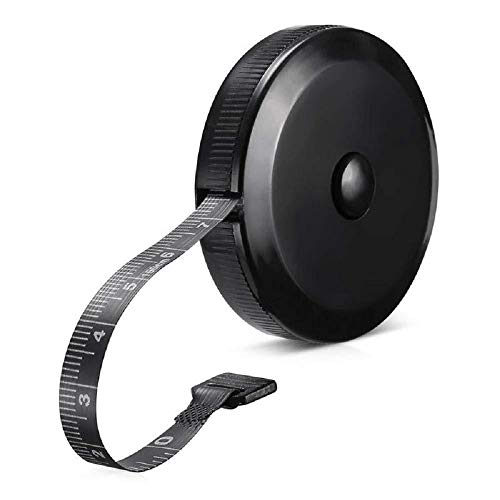
If you are the type of knitter who keeps their project bags tossed in a car or packed into a suitcase, you need the Westcott tape. It is remarkably resistant to tearing and fraying, even after years of being crumpled and stored.
The material is incredibly soft and drapes well, which is essential when you are trying to measure a garment while it is still on the dress form. It doesn’t fight against the fabric, allowing you to get a true reading without compressing your stitches.
While it lacks the bells and whistles of retractable models, its sheer longevity makes it a smart investment. It is the tool I reach for when I know I will be working on a long-term project that requires months of frequent measuring.
Why Accurate Measurements Matter for Garment Fit
Knitting is essentially math rendered in fiber, and your tape measure is your primary calculator. Even if your gauge is perfect, measuring your body or your existing garments incorrectly can lead to a sweater that is too boxy or a sleeve that hangs past your knuckles.
Always remember that knitted fabric is dynamic; it grows and shrinks based on the fiber content and the weight of the garment. Using a stable, non-stretching tape allows you to measure your "blocked" gauge accurately, which is the only dimension that truly matters for the final fit.
Essential Features to Look for in Knitting Tapes
When shopping for a tape, prioritize fiberglass-reinforced materials over simple vinyl. Vinyl tapes can stretch by a full half-inch over time, which is enough to ruin the fit of a fitted garment.
Look for high-contrast markings that are printed clearly on both sides of the tape. Double-sided markings are essential because they allow you to measure regardless of which way the tape lands in your hand, saving you from having to flip it around constantly.
Imperial vs. Metric: Choosing Your Tape System
Most modern knitting patterns provide both inches and centimeters, but you should choose one system and stick to it throughout a project. Mixing units halfway through a measurement is the most common way to introduce human error.
If you are working with patterns from European designers, you will likely find metric more intuitive. However, if you are more comfortable with the imperial system, ensure your tape has clear, large markings for the 1/8th and 1/4th inch increments.
Proper Care and Storage for Your Measuring Tools
Treat your tape measure like a precision instrument rather than a piece of scrap plastic. Avoid leaving it in direct sunlight or extreme heat, as this can degrade the material and cause the markings to fade or the tape to become brittle.
If you use a retractable tape, let it retract slowly rather than letting it snap back with force. Snapping can eventually damage the internal spring or cause the tape to kink, creating a permanent bend that makes it harder to get a flat, accurate measurement.
A good tape measure is an extension of your hands and a vital partner in your knitting process. By choosing a tool that resists stretching and offers clear, high-contrast markings, you remove the guesswork from your sizing and construction. Take care of your tools, and they will help you create garments that fit beautifully for years to come. Happy knitting!