6 Best Steamer Irons For Garment Finishing Reviewed
Achieve professional garment care with our expert review of the 6 best steamer irons, evaluating performance, fabric safety, and ease of use for crisp results.
Achieving a professional finish on a hand-knit garment is the difference between a project that looks "homemade" and one that looks truly bespoke. Choosing the right steam iron is a critical investment for any knitter who wants to transform their fabric through proper blocking. These six models have been curated based on their performance, steam consistency, and suitability for delicate fibers.
Rowenta Focus Excel: Best Overall Steam Iron


The Rowenta Focus Excel is a workhorse that handles the heavy lifting of blocking large-scale projects like oversized sweaters or wool blankets. Its high-pressure steam output ensures that you can penetrate thick, multi-ply wool without having to hover for an eternity.
When you are working with dense cables or heavy aran-weight wool, you need a consistent flow of moisture to relax the fibers. This iron provides that steady steam, allowing the stitches to bloom and settle into their final, uniform shape.
The trade-off here is the weight; it is a substantial tool. While this heft is excellent for pressing, it can be tiring if you are blocking an entire lace shawl that requires delicate, pinpoint pinning.
Reliable Verve 120SR: Best for Precision Work
Precision is paramount when you are blocking intricate lace or complex colorwork motifs that require specific dimensions. The Reliable Verve 120SR features a tapered tip that allows you to get into corners and tight spaces without disturbing your carefully placed blocking pins.
Many knitters struggle with "over-steaming," where the heat causes the fabric to lose its structural integrity. The refined control on this model helps you apply steam exactly where it is needed, preserving the crispness of your stitch definition.
It is an excellent choice if you frequently work with fine-gauge lace or delicate silk-blend yarns. The bottom line is that if you value control over raw power, this is your best option.
Oliso TG1600 Pro Plus: Best for Ergonomics

The Oliso TG1600 Pro Plus features an innovative "iTouch" technology that lifts the iron automatically when you let go of the handle. This is a game-changer for knitters who find themselves constantly reaching for pins or adjusting the tension on their blocking mats.
Beyond the convenience, this feature prevents the iron from scorching your work if you get distracted by a dropped stitch. It saves your wrists from the repetitive motion of standing the iron upright every few seconds.
If you have arthritis or find heavy lifting difficult during long blocking sessions, the ergonomic design is a significant benefit. It is a premium investment, but one that rewards you with comfort and reduced physical strain.
PurSteam Professional: Best Budget Option
Not every knitter needs a professional-grade station, especially if you are primarily working on smaller projects like socks or hats. The PurSteam Professional provides reliable performance without the high price tag, making it perfect for the hobbyist on a budget.
It heats up quickly and delivers enough steam to set a standard wool or acrylic blend effectively. While it lacks some of the advanced temperature controls of higher-end models, it gets the job done for basic blocking needs.
Be mindful that the steam output is more modest, so you might need to move a bit slower over your fabric. It is a solid, no-frills tool that proves you don’t need to break the bank to achieve a polished result.
Black+Decker Digital: Best for Temperature
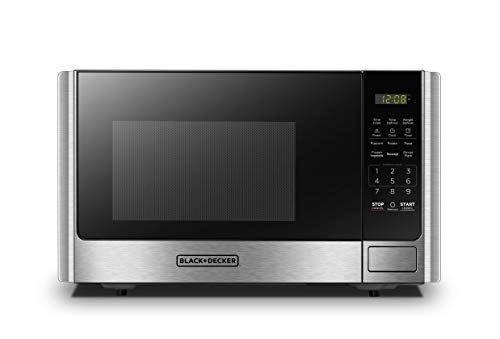
Temperature control is vital when you are working with a variety of fibers, from heat-sensitive synthetics to robust natural wools. The Black+Decker Digital model offers precise, easy-to-read settings that take the guesswork out of the process.
If you are blocking a blend, such as a wool-nylon sock yarn, you need to be careful not to melt the synthetic fibers. This iron allows you to dial in the exact temperature required, ensuring you relax the wool without damaging the nylon.
Always remember that digital precision doesn’t replace the "hover and check" method. Even with a great iron, you should test on a swatch first, especially if you are working with luxury fibers like mohair or alpaca.
CHI Electronic Retractable: Best for Durability

The CHI Electronic Retractable iron is built with a ceramic-infused soleplate that glides effortlessly over even the most textured knitting. Durability is the standout feature here, as the ceramic coating is highly resistant to scratching and buildup.
When you are steam-blocking, you often deal with residual lanolin or fiber dust that can clog lesser irons. This model is remarkably easy to clean, ensuring that your steam vents remain clear for the long haul.
The retractable cord is a nice touch for storage, keeping your knitting space organized. It is a reliable, sturdy choice for the knitter who wants a tool that will last through years of frequent project finishing.
Why Steam Blocking Matters for Your Knits
Steam blocking is the final, essential step in the knitting process, acting as a "reset" for your stitches. It evens out tension irregularities caused by changing needles or knitting while tired, resulting in a professional, uniform look.
- Stitch Definition: Steam helps the yarn fibers expand and fill in the gaps between stitches.
- Draping: It softens the fabric, which is crucial for garments that need to flow against the body.
- Dimensional Accuracy: It allows you to gently coax your garment into the exact measurements of your schematic.
Many knitters skip this step, fearing they will ruin their hard work. In reality, controlled steam is the safest way to ensure your garment fits exactly as intended.
Essential Steam Settings for Different Fibers
Different fibers react to heat in vastly different ways, and choosing the wrong setting can lead to permanent damage. Always check your yarn label for fiber content before you begin the blocking process.
- Wool: Responds beautifully to steam; use a medium-high setting to help the fibers bloom.
- Acrylic/Synthetics: Use a low-heat, steam-only approach; high heat can "kill" the fiber, causing it to lose its elasticity permanently.
- Silk/Alpaca: These are delicate and prone to flattening; use a hovering technique with steam only, never pressing the iron directly onto the fabric.
- Cotton: Generally requires higher heat and more moisture to relax, as it has no natural elasticity.
When in doubt, start with the lowest heat setting and work your way up. It is always better to steam a bit longer than to use too much heat and compromise the yarn.
How to Safely Steam Delicate Hand-Knits
The golden rule of steam blocking is to never let the iron touch your knitting directly. Instead, use the iron to generate a cloud of steam, then use your hands or a blocking tool to gently pat the steam into the fabric.
If you are working with lace, pin your project out to its maximum dimensions on a blocking mat before steaming. This allows the steam to set the lace motifs in their open, airy configuration.
If you are working with high-twist yarns or cables, be careful not to over-steam, or you will lose the beautiful, three-dimensional texture you worked so hard to create. Always use a pressing cloth if you are worried about the soleplate leaving a sheen on the yarn.

Maintenance Tips for Your Garment Steamer
Your steamer is a precision tool that requires regular care to function at its peak. Always empty the water reservoir after each session to prevent mineral buildup and mold growth inside the tank.
If you live in an area with hard water, use distilled water to prevent limescale from clogging the steam vents. Most modern irons have a "self-clean" function—make sure to run this cycle every few months to keep the internal passages clear.
Finally, keep the soleplate clean by wiping it down with a damp cloth once it has cooled completely. A clean iron ensures that you won’t transfer any debris or burnt residue onto your finished, pristine garments.
Investing in a quality steam iron is a commitment to the longevity and beauty of your hand-knitted pieces. By understanding the specific needs of your fibers and choosing a tool that complements your knitting style, you can elevate every project you finish. Remember that the best tool is one that gives you confidence, allowing you to focus on the joy of the craft rather than the stress of the finish. Happy blocking, and may your stitches always lay perfectly flat.