6 Best Cable Stoppers For Splitting Projects To Try
Discover the 6 best cable stoppers for your splitting projects. This guide evaluates top designs to help you secure lines efficiently and improve workflow.
Every knitter knows the sinking feeling of realizing a needle tip has unscrewed mid-project, leaving stitches dangling precariously. Using high-quality cable stoppers is the simplest insurance policy against losing hours of careful work. Whether you are splitting a sleeve for a sweater or setting aside a project to start a new one, these small tools are indispensable. Here are the best options to keep your stitches safe and your project secure.
ChiaoGoo Small Twist Cable End Stoppers


These stoppers are a staple for anyone who favors the ChiaoGoo system’s precise, smooth join. They feature a tight, screw-in design that matches the threading of their Small (S) cables perfectly.
Because they are made from a durable, lightweight metal, they don’t add unnecessary weight to your cable. This is a massive benefit if you are working on a heavy wool project and want to keep the tension on your stitches consistent while the needles are detached.
One thing to note is that they are size-specific; they won’t fit the "Large" or "Mini" systems. Always double-check your cable’s diameter before you try to force a fit, as cross-threading these delicate connections can ruin the cable’s integrity.
KnitPicks Options Interchangeable End Caps

KnitPicks end caps are the workhorse of many a knitter’s stash. They are affordable, functional, and come in a standard size that fits most of the brand’s interchangeable line.
These caps are usually made of plastic, which makes them incredibly lightweight. If you are traveling with a project, you won’t feel any drag or pull on your yarn as it sits in your bag.
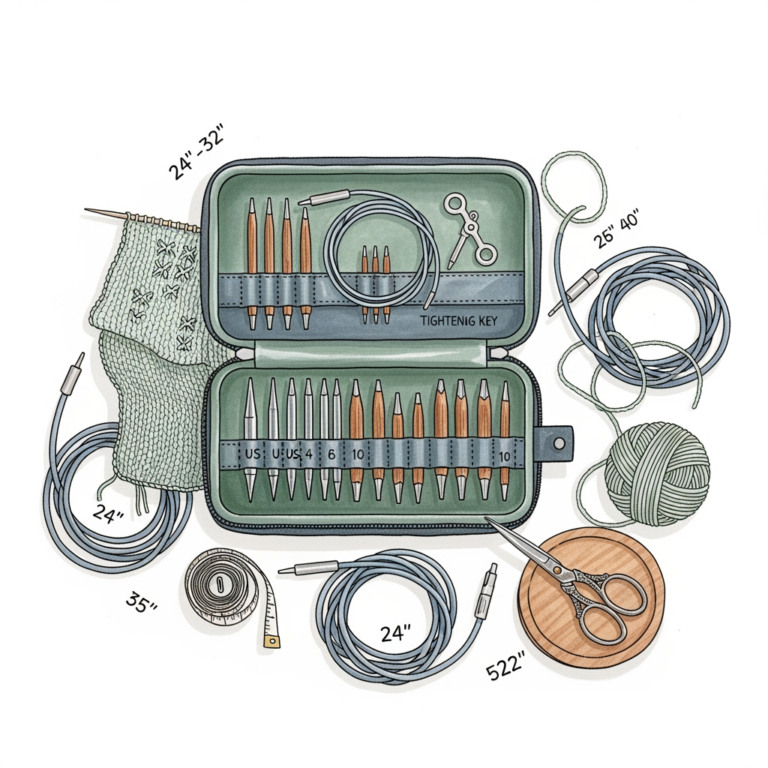
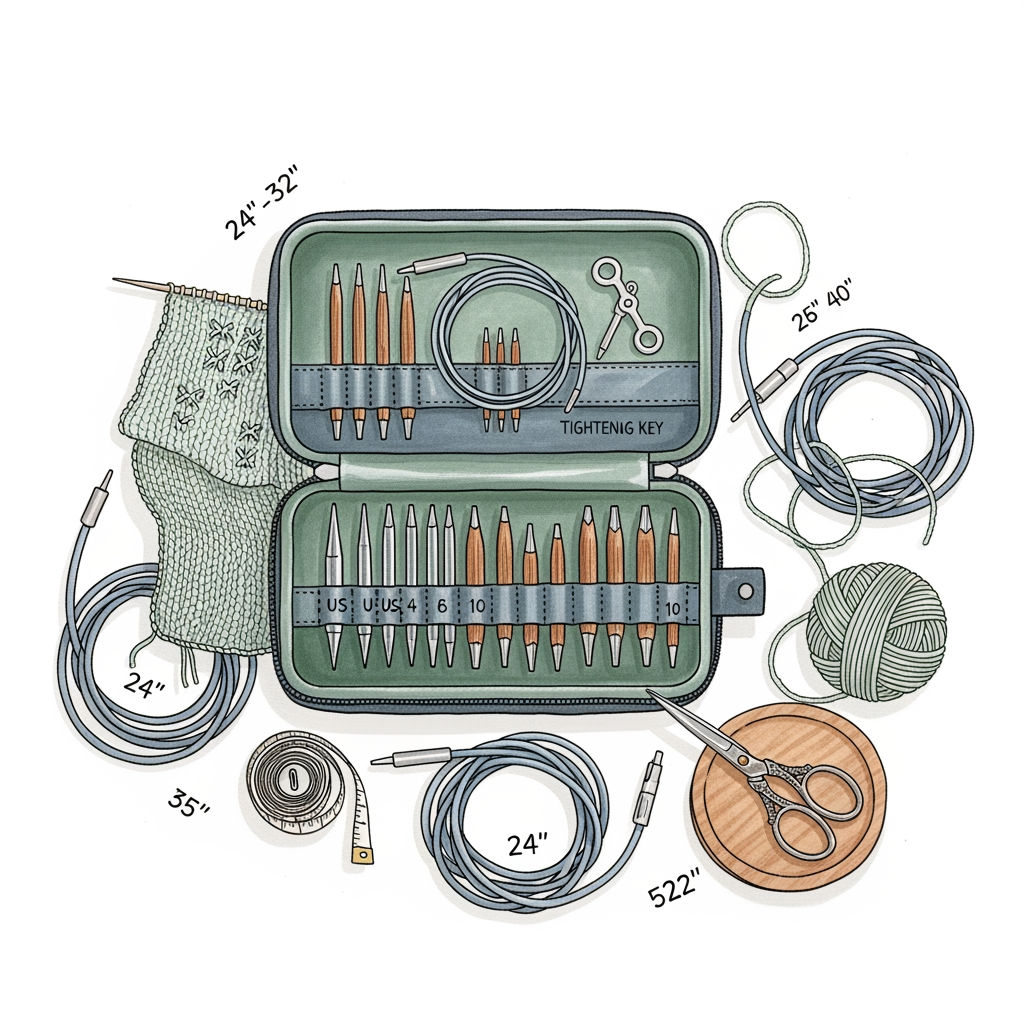
The trade-off is that they can occasionally loosen if you don’t use the tightening key properly. I always recommend using the little metal hole in the cap to give it that final, firm quarter-turn with the T-pin.
HiyaHiya Interchangeable Needle Tip Adapters

HiyaHiya adapters are unique because they often serve a dual purpose. While they act as stoppers, they are essentially the ends of the needle connection system, meaning they offer a very secure, flush fit.
Their "Sock" and "Small" adapters are precision-engineered. If you are working with delicate lace weight yarn or fine fingering weight wool, you’ll appreciate how seamlessly these sit against the cable.
Because they are so well-machined, they are less likely to snag your yarn than cheaper, molded plastic alternatives. They are an investment, but they provide peace of mind when you are working on a complex, high-stitch-count project.
Lykke Interchangeable Needle Cable Stoppers

Lykke stoppers are as beautiful as the needles themselves, often crafted with a polished finish that feels great in the hand. They are designed to complement the aesthetic of the brand’s birchwood needles.
Functionally, they are quite reliable, though they are slightly bulkier than metal alternatives. This extra surface area can actually be a benefit, as it makes them easier to grip and tighten without needing a tool.
If you are prone to losing small accessories, the slightly larger size of these stoppers makes them much harder to misplace in your knitting bag. They are a solid choice for the knitter who values both form and function.
Addi Click Interchangeable Needle End Caps

The Addi Click system is famous for its "click" mechanism, which requires no tools to secure. Their end caps follow this same intuitive, spring-loaded design.
You simply push, twist, and click to secure your stitches. This is a life-saver for knitters with arthritis or those who struggle with the fine motor skills required to tighten tiny screw-in caps.
Be aware that because they don’t screw in, they can occasionally pop off if they get snagged on the lining of a project bag. I suggest tucking your project into a dedicated pouch to ensure the caps stay firmly in place.
Knitter’s Pride Interchangeable End Stoppers

Knitter’s Pride offers a very reliable, no-nonsense stopper that fits a wide range of their cables. They are widely available and serve as an excellent backup for almost any interchangeable set.
They are typically made of a soft, flexible material that grips the cable well. This friction helps them stay put even when the project is being tossed around in your knitting bag.
They are perhaps the most "universal" of the bunch, often fitting other brands that share the same threading. However, always test the fit gently; never force a stopper if it feels like it’s fighting the threads.
Why You Need Stoppers for Splitting Projects
Splitting a project—like separating the sleeves from a sweater body—is a high-risk moment. You are moving stitches from your working needles onto waste yarn or spare cables, and this is where dropped stitches often occur.
Using a stopper on your main cable allows you to keep the body of your sweater safe while you focus on the sleeves. It essentially turns your long, unwieldy circular cable into a secure holding station.
Without them, you are relying on knots in yarn or bulky needle tips to keep your work from sliding off. Stoppers provide a clean, flat end that keeps your tension even and your stitches protected.
How to Secure Your Stitches During Transitions
When transitioning your stitches, always ensure you have enough cable length to accommodate the project comfortably. If the cable is too short, the tension will pull the stitches toward the ends, increasing the risk of them slipping off.
Before attaching the stopper, check that your stitches are not twisted. A quick glance over the needle or cable is worth the thirty seconds it takes to avoid a "ladder" or a twisted row in your finished garment.
Once the stopper is attached, give it a gentle tug. You want to ensure it is fully seated against the cable end so there is no gap where a fine strand of yarn could snag and unravel.
Universal vs Brand Specific Cable End Stoppers
While it is tempting to mix and match, I strongly advise sticking to the brand-specific stoppers for your needles. Threading pitches vary by fractions of a millimeter between manufacturers.
Using a stopper from one brand on a cable from another might seem to fit, but it can strip the threads of your expensive cables. Once those threads are damaged, the needle tips will never seat securely again.
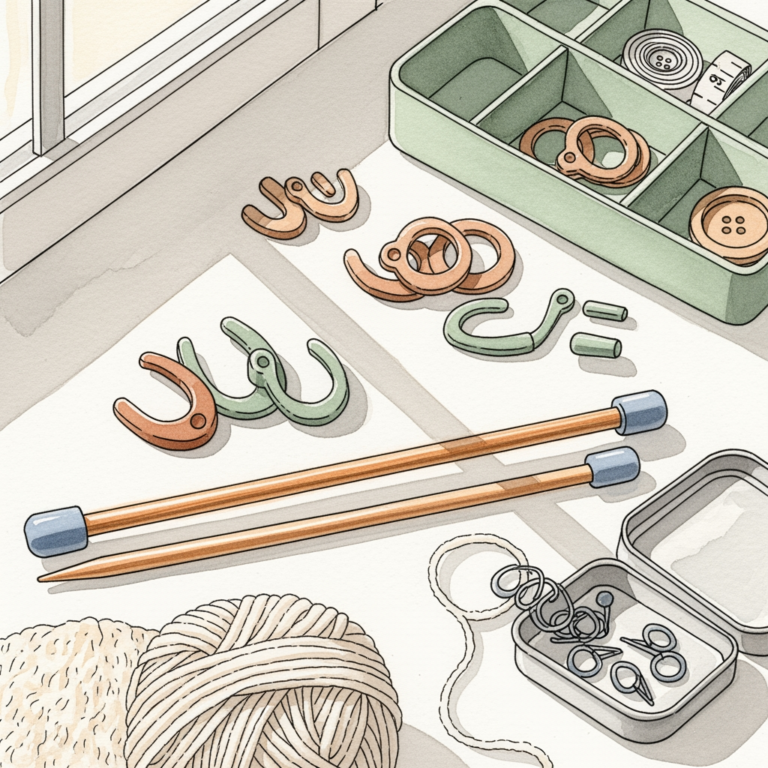
If you are in a pinch, a small piece of painter’s tape or a rubber band wrapped around the end of the cable is a safer temporary fix than forcing a mismatched stopper. Keep a small tin of brand-specific stoppers in your kit to avoid this headache entirely.
Tips for Preventing Dropped Stitches on Cables
The most common cause of dropped stitches is an over-crowded cable. If you have 300 stitches on a 24-inch cable, they are going to want to jump off the ends the moment you set the project down.
Always use a cable length appropriate for the number of stitches you are holding. If you are between sizes, go longer; you can always coil the extra cable, but you can’t stretch a cable that is too short.
Finally, develop the habit of checking your stoppers every time you pick up your knitting. A quick "twist check" takes two seconds and saves you from the heartbreak of a dropped stitch disaster.
Investing in a few sets of reliable cable stoppers is one of the smartest moves you can make for your knitting practice. They transform your interchangeable needles from simple tools into versatile, secure storage systems for your most precious projects. By choosing the right fit for your specific needle brand, you ensure that your stitches stay exactly where they belong until you are ready to knit them again. Happy knitting, and may your stitches always stay securely on the needles.