6 Best Metallic Threads For Decorative Accents To Try
Elevate your embroidery with our top six metallic threads. Discover durable, high-shine options perfect for adding elegant, eye-catching decorative accents.
Adding a touch of metallic shimmer to your fiber projects can elevate a simple accessory into a true heirloom piece. However, working with these specialized threads requires a shift in technique to handle their unique tension and structural properties. Choosing the right metallic thread is the difference between a project that sparkles with elegance and one that becomes a tangled, snapping nightmare. This guide breaks down the best options to ensure your next decorative accent project shines.
Kreinik Fine #8 Braid: Best Overall Metallic Thread
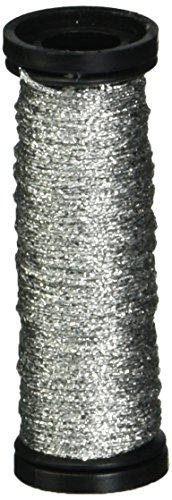

Kreinik Fine #8 Braid is the gold standard for many knitters because it behaves more like a traditional yarn than a stiff wire. Its braided construction provides a consistent weight that plays well with a variety of base fibers, from soft merino to structured cotton.
Because it is a braid rather than a twisted filament, it is far less prone to unraveling or "splitting" while you work. This makes it an excellent choice for holding double with a strand of lace-weight mohair to add a subtle, glinting halo to a shawl.
The biggest tradeoff here is the price point and the shorter yardage per spool compared to standard sewing threads. However, for high-visibility decorative accents, the ease of use and the way it sits perfectly in a stitch pattern make it a worthwhile investment.
DMC Diamant Metallic Thread: Best for Embroidery

If you are looking to add surface embellishments or duplicate stitch details to a finished garment, DMC Diamant is remarkably user-friendly. It is designed specifically to glide through fibers without fraying or snagging, which is crucial when you are weaving ends through delicate knit fabric.
Unlike many metallic threads that feel like thin, sharp wires, Diamant has a soft, supple hand. This makes it incredibly comfortable to work with, even if you are spending hours on intricate embroidery work.
While it is fantastic for surface detail, it is generally too fine to be used as a primary yarn for knitting. Think of this as your "finishing" thread, perfect for adding a metallic border to a cuff or a decorative motif to a yoke.
Sulky Original Metallic: Best for Machine Sewing

Sulky Original Metallic is a favorite for those who use a sewing machine to attach linings or add metallic ribbon accents to their knitwear. It is engineered to withstand the high-speed friction of a needle passing through fabric without shredding.
The core of this thread is strong, which prevents the frequent breakage often associated with metallic filaments in a machine setting. Just remember to use a topstitch needle with a larger eye to accommodate the metallic coating.
If you are hand-sewing, you might find this thread a bit too "springy" compared to natural fibers. It has a tendency to curl, so keep your lengths short—around 12 to 18 inches—to prevent tangles.
Madeira Metallic Thread: Best for High Durability

Madeira is renowned for its industrial-strength construction, making it the go-to for garments that will see a lot of wear and tear. If you are adding metallic accents to a hat or mittens that will be pulled on and off frequently, this is the thread you want.
It features a high-quality core that resists heat and friction, meaning it won’t lose its shine after a few trips through the wash. It is remarkably robust, holding its structure even when pulled tight against grippy wool.
The trade-off for this durability is a slightly stiffer feel than other brands. It is best used for decorative elements that don’t need to drape, like structural embroidery or reinforced edges.
Gutermann Metallic Effect: Best for Fine Details

Gutermann Metallic Effect is incredibly thin, making it the perfect choice for delicate lace work or fine-gauge knitting. If you want to add a whisper of sparkle to a 2.0mm or 2.25mm project, this thread won’t overwhelm the stitch definition.
Because it is so fine, it can easily be held together with a strand of fingering-weight yarn without significantly altering your gauge. This allows you to add a metallic shimmer to the entire garment rather than just isolated spots.
Be aware that because it is so thin, it can be difficult to see if you drop a stitch. Always ensure you have good lighting when working with this thread to avoid losing your place in a complex lace repeat.
Rainbow Gallery Treasure Braid: Best for Texture

Rainbow Gallery Treasure Braid is designed for makers who want their metallic accents to have a physical presence. It has a unique, high-relief texture that catches the light from every angle, making it the best choice for statement pieces.
This thread acts more like a decorative trim than a standard yarn. It works beautifully when carried along the edge of a scarf or used in a bold colorwork chart to create a raised, shimmering effect.
Because of its texture, it can be slightly "grabby" on wooden needles. If you find it difficult to slide, try switching to a pair of nickel-plated or polished steel needles to help the thread glide more smoothly.
How to Choose Metallic Threads for Fiber Projects
- Consider the Base Fiber: Match the weight of the metallic thread to your base yarn; a heavy braid will look awkward with lace-weight silk.
- Check the "Hand": If the project is meant to be worn against the skin, opt for softer, braided threads rather than metallic-coated filaments.
- Assess the Goal: Are you adding surface detail, or are you knitting the metallic thread into the fabric? Choose a supple thread for knitting and a durable one for surface embroidery.
- Test the Gauge: Always swatch. Metallic threads can change your tension, so use a swatch to see if you need to adjust your needle size to maintain your desired fabric density.
Essential Tips for Working With Metallic Threads
Working with metallic thread is a lesson in patience and tension management. The most important rule is to slow down. Your hands will naturally want to pull tighter when using slippery metallic threads, which can lead to uneven tension and hand fatigue.
If you are holding the metallic thread together with a natural fiber, let the natural fiber do the heavy lifting. The metallic thread should simply "float" along with your main yarn, rather than being pulled taut on every stitch.
Finally, keep your working lengths short. Metallic threads have a "memory" and will knot much faster than wool or cotton if you are working with a long tail.
How to Prevent Metallic Thread From Snapping
The most common cause of snapping is friction, especially when the thread is pulled over the edge of a needle or through a tight stitch. If you notice the metallic coating beginning to fray, stop immediately and check your tension.
Using a slightly larger needle size can often alleviate the stress on the thread. Additionally, avoid using highly textured needles, like bamboo, which can catch on the metallic filament and cause it to snap.
If you find the thread is still breaking, you may be working with a low-quality brand or a thread that is too brittle for your specific project. In these cases, it is often better to switch to a thread with a nylon or polyester core, which offers more flexibility.
Caring for Garments With Metallic Accents
When it comes time to wash your project, treat it with the same care you would for a delicate lace shawl. Always hand wash in cool water with a gentle wool wash, and avoid harsh agitation.
Metallic threads can sometimes be sensitive to heat, so never use a hot iron directly on the metallic elements. If you must block the garment, use a cool iron and a pressing cloth to protect the finish.
Finally, lay the piece flat to dry away from direct sunlight. While most high-quality metallic threads are colorfast, prolonged exposure to UV light can dull the shine over time.
Incorporating metallic threads into your knitting repertoire opens up a world of creative possibilities, from subtle highlights to bold, shimmering designs. By selecting the right thread for your specific project and adjusting your technique to accommodate its unique properties, you can achieve professional results that stand the test of time. Take your time, test your gauge, and enjoy the process of adding a little extra sparkle to your handmade wardrobe.