7 Best Swift Clamps For Thick Table Edges Reviewed
Finding the right swift clamp for thick tables is vital. We review the top 7 models to help you secure your workspace with stability, precision, and ease.
Finding a reliable swift is a rite of passage for every knitter who graduates from pre-balled yarn to luxurious, hand-dyed hanks. If your dining room table is thick, antique, or finished with a decorative beveled edge, a standard clamp often simply won’t cut it. The right swift acts as a silent partner in your craft, preventing tangles before they start. Here are my top picks for securing your yarn on tables that defy traditional clamp dimensions.
Stanwood Needlecraft Table Clamp: Best Overall
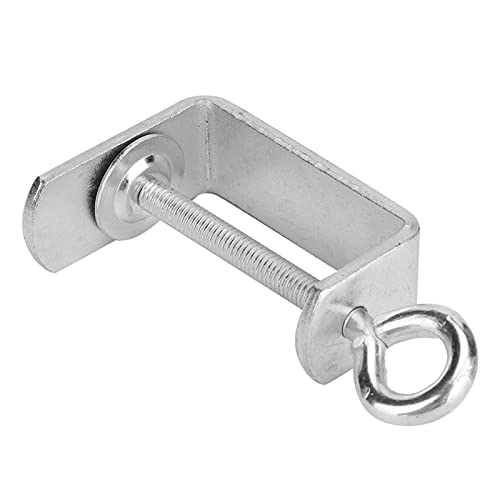

The Stanwood swift is a staple in many studios for a reason: it balances mechanical reliability with a gentle touch. Its metal clamp design is exceptionally versatile, accommodating tables that are much thicker than the industry standard.
When you are winding a delicate, hand-dyed silk-merino blend, you need a swift that rotates without a hitch. The Stanwood’s ball-bearing mechanism ensures that your yarn flows smoothly, preventing the abrupt jerks that can snap fragile fibers.
The standout feature here is the wide jaw opening on the clamp. It handles beveled edges and thick farmhouse tables with ease, providing a rock-solid foundation for even the heaviest wool skeins.
Amish Style Wooden Swift: Best for Thick Edges
There is something undeniably satisfying about the tactile nature of an Amish-style wooden swift. These are often tabletop models that rely on a central spindle and adjustable pegs, making them ideal for tables where a traditional side-clamp won’t fit.

Because these sit directly on top of your surface rather than hanging off the edge, they are the ultimate solution for extra-thick or oversized tables. You aren’t fighting with a screw mechanism that isn’t deep enough; you are simply placing the base down and letting gravity do the work.
While they lack the high-speed spin of a metal umbrella swift, they are incredibly stable. If you find yourself winding large, heavy sweater-quantity hanks, the low center of gravity prevents the annoying "tipping" that can occur with poorly secured clamps.
Lacis Heavy Duty Swift Clamp: Best for Stability

If you have ever had a swift wobble or slide mid-wind, you know the panic of a sudden yarn disaster. The Lacis heavy-duty clamp is engineered for those who prioritize a stationary, immovable setup above all else.
This clamp features a substantial surface area that grips the table edge firmly, distributing pressure evenly. This is vital if you are working with antique furniture where you want to avoid marring the finish while maintaining a tight, secure hold.
It is a heavier piece of equipment, which translates to less vibration during high-speed winding. If you are a prolific knitter who goes through dozens of hanks a month, this durability pays for itself in peace of mind.
KnitPal Metal Clamp: Best for Modern Tables
Modern tables often feature sleek, thin, or metallic edges that can make traditional wood clamps slip right off. The KnitPal metal clamp is designed with a high-friction grip that holds fast to smooth, contemporary surfaces.
The design is compact and aesthetically clean, which is a nice bonus if your "knitting corner" is also your living room. It doesn’t look like an industrial machine, yet it performs with the precision of one.
The rubberized padding on the clamp jaws is the real hero here. It protects your table surface from scratches while providing the necessary "bite" to stay put, even when you are winding a stubborn, high-twist yarn that pulls with significant tension.
Strauch Jumbo Swift Clamp: Best for Large Skeins
When you are dealing with massive 200-gram hanks of bulky, rustic wool, standard swifts often buckle under the weight. The Strauch Jumbo is built to handle the sheer mass of large-scale projects without sagging.
The clamp on this model is exceptionally deep, making it a favorite for those with heavy-duty woodworking tables. It is designed to withstand the torque that occurs when a large, heavy skein is rotating at speed.
If you are a fan of knitting with chunky, single-ply yarns, you know these fibers can be prone to stretching if the swift is too small or unstable. The Jumbo’s wide diameter keeps the yarn loop relaxed, preserving the loft and integrity of your fiber.
Ashford Wooden Swift Clamp: Best for Durability
Ashford has been a trusted name in fiber arts for decades, and their wooden swift reflects a commitment to heirloom-quality construction. This is a tool you buy once and likely pass down to another knitter.
The clamp mechanism is traditional but robust, utilizing high-quality hardware that doesn’t strip or jam over time. It is particularly effective for thick tables because the screw assembly is longer than most entry-level models.
While it requires a bit of care—keep it away from extreme humidity to prevent the wood from swelling—its performance is unmatched. It provides a smooth, rhythmic rotation that makes the winding process almost meditative.
Nancy’s Knit Knacks Swift: Best Precision Fit
Precision is the hallmark of the Nancy’s Knit Knacks line, and their swift clamp is no exception. This tool is designed for knitters who appreciate engineering that accounts for the nuances of different table geometries.
The clamp allows for fine-tuned adjustments, meaning you can achieve a "custom fit" regardless of the thickness of your table edge. This is the best choice if your table has an unusual shape or a decorative trim that makes standard clamps sit at an awkward angle.
Because the fit is so precise, the swift remains perfectly level. A level swift is critical for preventing yarn from sliding off the arms, which is a common frustration with cheaper, less stable models.
How to Measure Your Table for a Secure Swift Fit
Before you invest in a swift, grab a tape measure and check the thickness of your table edge. Most standard clamps are designed for tables between 1.5 and 2.5 inches thick.
Don’t forget to account for any "apron" or trim beneath the tabletop. If your table has a decorative piece of wood hanging down, your clamp might not be able to open wide enough to reach the actual flat surface.
- Measure the thickness: Ensure the clamp jaw exceeds this measurement by at least half an inch.
- Check the overhang: Is there enough flat space for the clamp to sit flush?
- Inspect the material: If your table is glass, avoid metal-on-glass clamps without heavy-duty rubber padding.
Why Clamp Depth Matters for Heavy Yarn Skeins
Clamp depth is the distance from the edge of the table to where the clamp screw actually makes contact. If your table is thick, a shallow clamp will only grab the very edge, leading to a precarious, top-heavy setup.
When you wind a large skein, the centrifugal force creates a pulling motion that wants to tilt the swift forward. A deep clamp provides the leverage needed to counteract this force, keeping the swift upright and stable.
If you are winding heavy, sticky fibers like raw alpaca or high-twist wool, the resistance is higher. A deeper, more secure clamp ensures that your swift doesn’t "walk" or vibrate off the table as you reach the end of the hank.
Essential Maintenance for Your Swift Hardware
Your swift is a mechanical tool; treat it with the same respect you give your favorite needles. Periodically check the screws and bolts to ensure they haven’t loosened from the vibration of regular use.
If you have a wooden swift, a light application of wood wax or furniture polish can keep the arms moving freely. If you have a metal swift, a tiny drop of sewing machine oil on the central bearing will keep it spinning silently for years.
- Wipe down after use: Remove dust and fiber bits from the joints.
- Store properly: Keep it in a dry place to prevent warping or rust.
- Check the pads: If the rubber grip on your clamp wears down, replace it immediately to keep your table safe.
Choosing the right swift is about matching your tool to your table and your typical project volume. Whether you opt for the robust metal of a Stanwood or the timeless wood of an Ashford, prioritize stability and clamp depth to ensure a frustration-free experience. Once you have your setup dialed in, you can focus on what really matters: the joy of turning a tangled hank into a beautiful, ready-to-knit cake of yarn. Happy knitting!