6 Best Lint Shavers For Yarn Pilling Worth Owning
Revitalize your favorite knits with our top six lint shaver picks. We evaluate performance and durability to help you remove stubborn pilling with ease.
Every knitter knows the heartbreak of watching a labor-intensive sweater develop unsightly fuzz after only a few wears. Pilling is an inevitable byproduct of friction, but it doesn’t have to signal the end of your favorite handmade garment’s lifespan. With the right tool, you can restore your knits to their original, crisp glory without compromising the structural integrity of your stitches. Here are the six best lint shavers to keep in your knitting toolkit.
Conair Fabric Shaver: The Best Overall Choice


The Conair Fabric Shaver is a staple in many knitting circles for a reason: it balances power and accessibility perfectly. It features a large shaving head that covers significant surface area, making it ideal for standard stockinette sweaters that have seen a season or two of wear.
What makes this a reliable workhorse is its consistent motor speed. Whether you are dealing with a dense, worsted-weight wool or a slightly fuzzy alpaca blend, it maintains enough torque to cut through pills without getting bogged down.

The main trade-off is its reliance on batteries. If you are a prolific knitter who maintains a large wardrobe, consider investing in rechargeable batteries to avoid constant trips to the store.
Philips Fabric Shaver: Best for Delicate Knits
When you’ve spent weeks working with fine lace-weight mohair or luxury silk-blend yarns, you cannot afford a tool that is overly aggressive. The Philips model excels here because its precision blade system is designed to handle delicate fibers with a lighter touch.
The adjustable height spacer is the secret weapon for delicate knits. It allows you to shave off surface fuzz while keeping the blade far enough away from the actual yarn strand to prevent accidental snagging or cutting.
If you are working with hand-dyed yarns that have a delicate halo, use this tool on the lowest setting. It is better to go over a spot twice gently than to risk a single, deep cut into your hard-earned fabric.
Gleener Fabric Shaver: Best for Heavy Woolens
The Gleener is unique because it isn’t an electric device at all; it uses a series of interchangeable edges. For heavy, rustic woolens—like an Icelandic lopi sweater or a thick, felted bag—this manual approach is often superior to electric motors.
Because it relies on your hand pressure, you have total control over the tension. This is vital when working with "sticky" wools that have a high friction coefficient, as you can manually clear the edges as you work.
It comes with three different edges tailored for different fabric weights. Use the edge designed for heavy, bulky items to clear stubborn, large pills that would likely stall a smaller electric motor.
Beautural Fabric Shaver: Best Budget Option
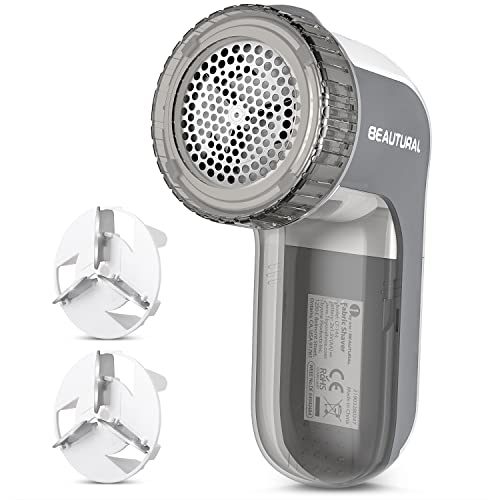
If you are just starting your knitting journey and haven’t built up a massive collection of tools, the Beautural is a fantastic entry point. It is affordable, effective, and gets the job done on most common acrylic and wool-blend yarns.
It features a mesh screen that is quite effective at catching pills before they reach the blades. This provides a necessary layer of protection for your stitches, especially if you are prone to slightly uneven tension in your purl rows.
Keep in mind that as a budget option, the motor may struggle with very long, fibrous mohair. If you find yourself knitting mostly with long-staple luxury fibers, you might eventually want to upgrade to a more robust model.
Rowenta Fabric Shaver: Best for Large Projects

If you have a closet full of hand-knitted afghans or oversized cardigans, the Rowenta is your best friend. Its wide shaving head and high-speed motor are designed for high-volume maintenance.
The ergonomic handle makes it comfortable to hold for extended sessions. When you are clearing a king-sized blanket, the last thing you want is a tool that cramps your hand or requires frequent stops to empty the lint bin.
The bin on this model is notably larger than its competitors. This means fewer interruptions to your workflow, allowing you to focus on the meditative process of refreshing your knitwear.
Bymore Electric Lint Remover: Best Portability
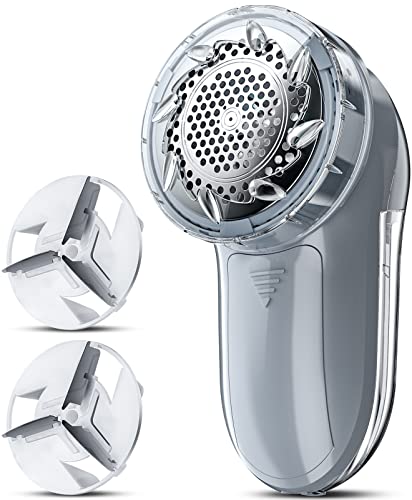
Knitting is a portable hobby, and sometimes you need to address pilling while traveling or at a knitting retreat. The Bymore is compact, lightweight, and fits easily into a standard notions pouch or project bag.
Despite its size, it is surprisingly powerful for its class. It is perfect for touch-ups on socks or hats while you’re on the go, ensuring your handmade accessories always look their best before you step out.
Because it is small, it is not the most efficient tool for a full-sized sweater. Use this strictly for maintenance and travel, and keep a larger, more powerful unit at home for deep-cleaning your full-sized garments.
Why Your Hand-Knits Develop Pills Over Time
Pilling is simply the result of loose fibers migrating to the surface of your yarn and tangling together due to friction. It is most common in areas of high wear, such as under the arms or along the sides of a sweater where your arms rub against your torso.
Yarn with a tighter twist and more plies is generally more resistant to pilling than a loosely spun, single-ply yarn. When you choose a yarn for a high-wear project, consider the fiber content carefully—superwash wools and synthetic blends often pill differently than untreated, rustic wools.
Ultimately, pilling is not a sign of poor knitting quality. It is a natural property of the fiber. Even the most perfectly tensioned stockinette will eventually show signs of wear if it is worn frequently.
How to Safely Remove Lint Without Yarn Damage
The golden rule of lint removal is to lay your garment flat on a hard surface. Never attempt to shave a sweater while wearing it, as this can lead to uneven pressure and accidental nicks in the fabric.
Start with the lowest setting or the gentlest edge, and work in small, circular motions. Avoid pressing down hard; let the blades do the work. If you press too firmly, you risk catching a stitch and pulling it, which can lead to a dropped stitch or a hole.
Always test your shaver on an inconspicuous area, such as the inside hem or the underarm. This allows you to gauge how the machine interacts with your specific yarn and tension before you tackle the front of your garment.
Essential Tips for Maintaining Your Knitwear
Proper maintenance begins long before you reach for a shaver. Washing your knits with a high-quality wool wash and laying them flat to dry will help keep the fibers relaxed and less prone to tangling.
When storing your sweaters, avoid hanging them, as the weight of the garment can stretch the stitches and alter the drape. Instead, fold them neatly and store them in a cool, dry place, ideally with cedar or lavender to deter moths.
Regularly rotating your knits is also key. Giving a sweater a "rest day" allows the fibers to recover their shape and prevents the constant friction that leads to excessive pilling.
Frequently Asked Questions About Lint Shavers
Will a lint shaver make my sweater thinner? No, provided you use it correctly. You are only removing the loose, tangled fibers on the surface, not the structural yarn itself.
Can I use a shaver on mohair? Proceed with extreme caution. Mohair is designed to be fuzzy, and a shaver will remove that intentional halo, potentially ruining the aesthetic of your project.
How often should I shave my knits? Only as needed. Over-shaving can eventually thin the fabric, so wait until the pills become visually distracting before performing maintenance.
Keeping your hand-knits in pristine condition is a rewarding part of the maker’s journey. By choosing the right tool for your specific fiber and project, you ensure that your hard work remains a beautiful staple of your wardrobe for years to come. Treat your knits with care, and they will keep you warm and stylish for a lifetime.