6 Best Steam Irons For Fabric Fusion For Pro Results
Achieve professional fabric fusion with our top six steam iron picks. Discover the best tools for precise, durable results and flawless garment crafting.
Achieving a professional finish on your hand-knits requires more than just careful stitch work; it demands the right approach to steam and pressure. Whether you are blocking a delicate lace shawl or setting the seams of a heavy wool cardigan, the tool you choose changes the final drape of your fabric. This guide explores the best steam irons to help you achieve that elusive, polished look. Proper heat management is the secret to transforming a "homemade" project into a true heirloom piece.
Reliable Rowenta Focus Excel: Best Overall Choice


The Rowenta Focus Excel is a workhorse that many of us rely on for consistent, even heat distribution. Its precision tip is a game-changer when you need to maneuver around complex cables or delicate ribbing without distorting the fabric.
When you are blocking a sweater, you need an iron that doesn’t spit water or leave uneven damp spots. The steam output here is remarkably steady, which helps relax the fibers of wool or alpaca evenly during the blocking process.
Be mindful that this iron is on the heavier side, which is actually a benefit for setting seams. The extra weight does the pressing work for you, meaning you don’t have to push down hard and risk crushing your hard-earned stitch definition.
Oliso Pro Smart Iron: Best for Hands-Free Steam
The Oliso Pro features a unique "iTouch" technology that lifts the iron automatically when you let go of the handle. For a knitter, this is a massive safety feature that prevents accidental scorching of your delicate fibers while you adjust the pins on your blocking board.
If you are someone who keeps your iron right on the table next to your blocking mat, this feature is invaluable. It saves you from the constant, annoying cycle of standing the iron up and down every time you need to nudge a corner of your work.
Keep in mind that the technology adds a bit of bulk to the handle design. If you have smaller hands or struggle with wrist fatigue after a long day of knitting, test the grip before committing to this model.
Black+Decker Digital Advantage: Best Value Pick

You don’t always need a luxury appliance to get professional results. The Black+Decker Digital Advantage offers a digital temperature display that allows you to dial in the exact heat needed for different fibers, from heat-sensitive synthetics to sturdy wools.
This is a fantastic entry-level choice if you are just starting to experiment with steam blocking. The soleplate glides easily, which is crucial when you are trying to coax a stubborn piece of stockinette into lying flat.
The tradeoff here is the longevity of the internal steam components. If you are a prolific knitter who blocks projects every single week, you might find that the steam pressure wanes faster than it would with a higher-end model.
Panasonic NI-W950A Multi-Directional: Precision

The unique, curved soleplate of the Panasonic NI-W950A is designed to move in any direction without catching on the fabric. This is a dream for knitters who work with intricate lacework or complex motifs that require delicate shaping.
Because you can push the iron in any direction, you avoid the common mistake of "dragging" the fabric, which can permanently stretch out your gauge. It allows you to steam-press in tight, circular motions that are perfect for easing in a sleeve cap.
It takes a little practice to get used to the shape, but once you master it, you’ll find it much easier to reach those awkward corners of a garment. It is a specialized tool that rewards the meticulous knitter.
Maytag M400 Speed Heat: Best for Quick Results

When you have finished a project and are dying to wear it, the Maytag M400 is your best friend. It reaches full steam capacity in seconds, meaning you spend less time waiting and more time finishing your projects.
The steam settings are powerful enough to penetrate even the thickest, multi-ply wool yarns. If you are working with a dense, worsted-weight garment, this iron will help you "set" the fibers quickly without needing to hover over the piece for minutes on end.
Because it heats up so rapidly, be extra cautious with your temperature settings. Always start on the lowest steam setting to ensure you don’t accidentally felt or singe your fiber.
Shark Professional Steam Power: Best for Volume

If you are a prolific knitter who produces sweaters by the dozen, the Shark Professional Steam Power is built for high-volume work. Its large water tank means you won’t be stopping mid-block to refill, allowing you to maintain a consistent rhythm.
The steam pressure is quite high, which is excellent for thick, felted projects or heavy-duty cottons. However, it can be overkill for delicate lace or mohair blends.
Always use a press cloth—a simple piece of cotton muslin or a thin tea towel—between the iron and your work when using this much steam. It acts as a buffer to ensure the moisture is distributed evenly rather than blasting the fibers directly.
Understanding Steam Settings for Fiber Fusion
Steam is not just about heat; it is about moisture management. Different fibers react differently to the combination of heat and humidity, and understanding this is the key to successful blocking.
- Wool: Responds beautifully to steam; it relaxes and expands to fill out your gauge.
- Acrylic: Be very careful; too much heat will "kill" the fiber, causing it to lose its bounce and become permanently limp.
- Cotton/Linen: These fibers are thirsty and often require a higher steam setting and more pressure to remove wrinkles.
- Silk/Alpaca: These are delicate and should generally be steamed from a distance rather than pressed directly with the soleplate.
Always perform a swatch test before applying steam to your finished garment. If your swatch behaves well under steam, your full-sized project likely will, too.
Essential Tips for Safe Fabric Pressing at Home
The most important rule in knitting is "never touch the iron directly to the yarn." Even if your iron has a "safe" setting, the weight of the iron can flatten your stitches and ruin your stitch definition.
Always use a pressing cloth to protect the surface of your work. If you are blocking cables, use a towel underneath the garment to create a soft, cushioned surface that allows the steam to travel through the back of the work.
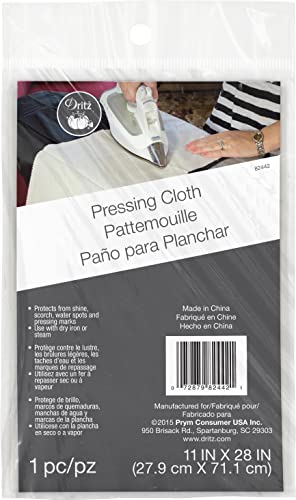
Never leave your iron unattended on a blocking board. Even if it is set to a low temperature, the heat can build up in the fibers and cause discoloration or damage that is impossible to undo.
How to Maintain Your Iron for Long-Term Use
A clean iron is essential for protecting your hand-knits from accidental spots or residue. Over time, minerals from your tap water can build up in the steam vents, which might lead to "spitting" during your blocking process.
Use distilled water whenever possible to prevent mineral buildup inside the tank. If you notice the soleplate getting sticky, wipe it down with a damp cloth and a mild cleaner once it has completely cooled.
Keep the steam vents clear by using a toothpick or a soft brush if you notice any clogging. Regular maintenance ensures that the steam flow remains consistent, which is the only way to get a truly professional finish.
Frequently Asked Questions About Ironing Knits
Can I iron a sweater to make it bigger? You can use steam and gentle tension to block a garment to a slightly larger size, but be careful not to overstretch it. If the fibers are "killed" by too much heat, they won’t spring back.
What is the best way to block lace? Lace should be pinned out to its full dimensions on a blocking board, then lightly misted or steamed from a distance. Do not press the iron down on the lace, as this will crush the delicate yarn-overs and texture.
Why does my knitting look shiny after ironing? This is known as "glazing," and it usually happens when you apply too much heat or pressure directly to the fibers. It is most common in synthetic blends and can often be avoided by using a press cloth.
Investing in a quality steam iron is a commitment to the longevity and beauty of your hand-knitted wardrobe. By understanding the specific needs of your yarn—whether it is a sturdy wool or a delicate silk—you can use these tools to elevate your work to professional standards. Remember that the goal of blocking is to enhance your stitch work, not to alter it beyond recognition. With practice and the right equipment, you will find that the finishing process becomes just as rewarding as the knitting itself.